Maldives President Advocates for SAARC Summit Amid India Concerns
NewsMaldives President Advocates for SAARC Summit Amid India Concerns
Maldives pushes for SAARC summit while India emphasizes goodwill for cooperation.
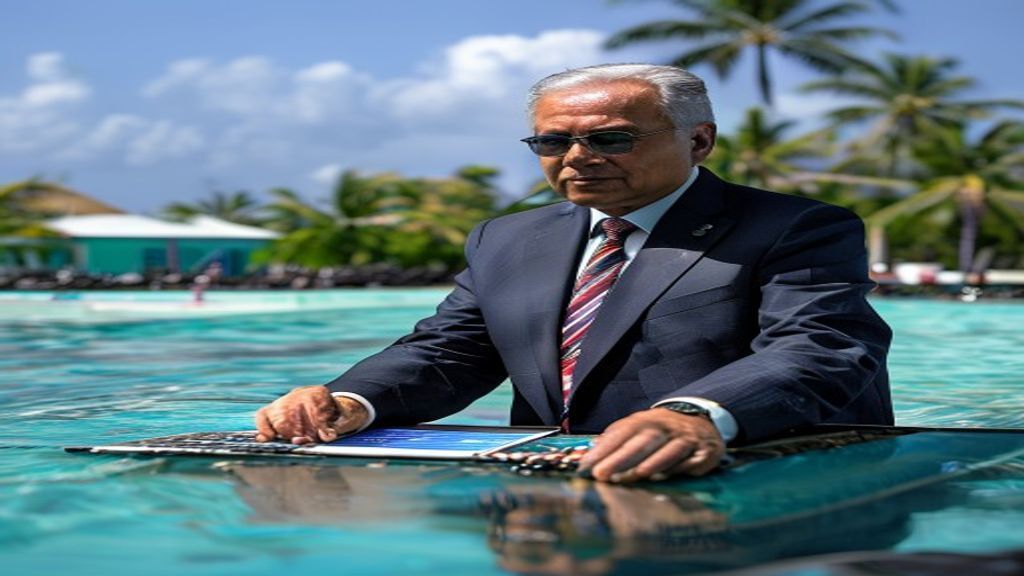
Maldives President Mohamed Solih is advocating for a SAARC summit to enhance regional cooperation among South Asian nations. This call comes amid ongoing discussions about the need for goodwill in fostering collaboration, particularly from India, which plays a crucial role in the South Asian Association for Regional Cooperation (SAARC). The summit aims to address pressing regional issues and strengthen ties among member states.
Importance of the SAARC Summit
The SAARC summit holds significant importance for the Maldives and its neighboring countries. It serves as a platform for dialogue and collaboration on various issues, including economic development, security, and climate change. President Solih's push for the summit reflects a desire to revitalize the SAARC framework, which has faced challenges in recent years due to political tensions among member states.
Furthermore, the Maldives aims to leverage the summit to address shared concerns such as trade barriers and environmental sustainability. By fostering cooperation, the Maldives hopes to create a more unified approach to tackling these challenges. The summit could also provide an opportunity for member states to discuss strategies for enhancing regional connectivity and economic integration.
India's Role in SAARC Cooperation
India's involvement in the SAARC summit is crucial for its success. As the largest economy in South Asia, India has significant influence over regional policies and initiatives. However, Indian officials have expressed that cooperation among SAARC nations requires goodwill and mutual respect. This sentiment underscores the need for member states to prioritize collaboration over political disputes.
Moreover, India's emphasis on goodwill highlights the importance of trust-building measures among SAARC countries. As a result, fostering a positive atmosphere is essential for productive discussions during the summit. India has historically played a key role in promoting regional stability and development, and its participation in the summit could help set a constructive tone for future cooperation.
Challenges Facing SAARC
Despite the potential benefits of the SAARC summit, several challenges hinder its effectiveness. Political tensions between member states, particularly between India and Pakistan, have often stalled progress on collaborative initiatives. These tensions create an environment where dialogue becomes difficult, limiting the potential for meaningful cooperation.
In addition, differing national priorities among member states can complicate consensus-building efforts. Each country has unique challenges and interests, which can lead to disagreements on key issues. Addressing these challenges will be critical for the success of the upcoming summit and for the future of SAARC as a whole.
Potential Outcomes of the Summit
The upcoming SAARC summit presents an opportunity for member states to address pressing regional issues collaboratively. If successful, the summit could lead to agreements on trade facilitation, security cooperation, and environmental protection. These outcomes would not only benefit individual countries but also enhance regional stability and prosperity.
Furthermore, the summit could pave the way for renewed commitments to the SAARC charter, emphasizing the importance of collective action. By focusing on shared goals, member states can work towards a more integrated and cooperative South Asia. The potential for joint initiatives could also attract foreign investment and support for regional development projects.
The Future of SAARC
Looking ahead, the future of SAARC hinges on the ability of member states to overcome existing challenges. The Maldives' call for a summit is a step towards revitalizing the organization and fostering a spirit of cooperation. However, achieving lasting progress will require sustained efforts from all member states to build trust and goodwill.
In addition, the evolving geopolitical landscape in South Asia may influence the dynamics within SAARC. As countries navigate their relationships with global powers, the role of SAARC in regional cooperation will need to adapt. The upcoming summit could serve as a turning point for the organization, setting the stage for a more collaborative and effective SAARC in the years to come.
Source: