Maize and Rice Ethanol Production Sees Significant Growth
NewsMaize and Rice Ethanol Production Sees Significant Growth
The surge in maize and rice for ethanol production is reshaping the biofuel landscape globally.
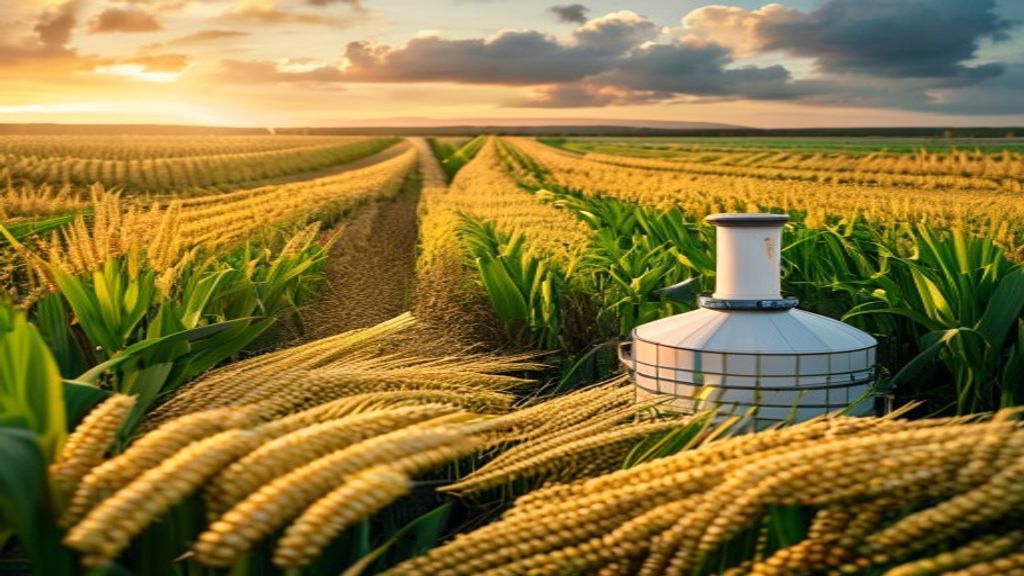
The global maize and rice ethanol production has experienced a remarkable surge, driven by increasing demand for renewable energy sources. This trend has emerged prominently in the United States and several Asian countries, where biofuels are becoming a crucial part of energy strategies. As governments push for greener alternatives, maize and rice are at the forefront of this transformation, offering sustainable solutions to meet energy needs.
The Rise of Maize and Rice in Ethanol Production
Maize and rice ethanol production has gained momentum due to several factors. Firstly, the push for renewable energy has led to increased investments in biofuel technologies. Countries like the United States have ramped up their production capabilities, utilizing maize as a primary feedstock. Furthermore, Asian nations are also exploring rice as a viable alternative, capitalizing on their agricultural strengths.
In addition, the environmental benefits of using maize and rice for ethanol production cannot be overlooked. These crops can significantly reduce greenhouse gas emissions compared to fossil fuels. As a result, many countries are incentivizing farmers to grow these crops for biofuel production, creating a win-win situation for both the economy and the environment.
Economic Impacts of Ethanol Production
The economic implications of maize and rice ethanol production are profound. Farmers benefit from higher crop prices as demand for these feedstocks increases. This trend not only boosts rural economies but also creates jobs in the biofuel sector. Moreover, the growth of this industry encourages technological advancements, leading to more efficient production methods.
However, the increased focus on maize and rice for ethanol production raises concerns about food security. Critics argue that diverting these staple crops for fuel could lead to higher food prices and shortages. As a result, policymakers must balance the benefits of biofuel production with the need to ensure food availability for populations.
Technological Innovations in Biofuel Production
Technological advancements play a crucial role in enhancing maize and rice ethanol production. Innovations in fermentation processes and enzyme technologies have improved the efficiency of converting these crops into biofuels. For instance, new methods allow for higher yields from smaller quantities of feedstock, making production more sustainable.
Furthermore, research into genetically modified crops is also gaining traction. These crops can be engineered to produce higher starch content, which is essential for ethanol production. As a result, the biofuel industry is poised for significant growth, driven by these technological breakthroughs.
Global Market Trends in Ethanol Production
The global market for maize and rice ethanol production is expanding rapidly. Countries are increasingly recognizing the importance of biofuels in achieving energy independence. For example, Brazil has long been a leader in ethanol production, primarily from sugarcane, but is now looking to diversify its sources by incorporating maize and rice.
Moreover, international trade in biofuels is on the rise. Countries that produce surplus maize and rice are exporting these resources to meet global demand. This trend not only strengthens international relations but also fosters economic growth in producing nations.
Environmental Considerations in Biofuel Production
While maize and rice ethanol production offers numerous benefits, it is essential to consider the environmental impact. The cultivation of these crops can lead to deforestation and loss of biodiversity if not managed sustainably. Therefore, implementing responsible agricultural practices is crucial to mitigate these risks.
In addition, the lifecycle emissions of biofuels must be assessed. Although maize and rice can reduce greenhouse gas emissions compared to fossil fuels, the cultivation and processing of these crops can still contribute to carbon footprints. As a result, ongoing research is needed to optimize production methods and minimize environmental harm.
Future Outlook for Maize and Rice Ethanol Production
Looking ahead, the future of maize and rice ethanol production appears promising. With increasing global energy demands and a shift towards renewable sources, these crops will likely play a pivotal role in the biofuel landscape. Governments and industries are expected to continue investing in research and development to enhance production efficiency and sustainability.
Furthermore, as consumer awareness of environmental issues grows, the demand for biofuels derived from maize and rice is likely to increase. This shift presents an opportunity for farmers and producers to capitalize on the expanding market while contributing to a more sustainable energy future.
Source: