Rahul Gandhi Calls for Amit Shah’s Resignation Over Protest Crack
NewsRahul Gandhi Calls for Amit Shah's Resignation Over Protest Crackdown
Rahul Gandhi demands accountability for the recent protest crackdown, urging a Supreme Court-monitored investigation.
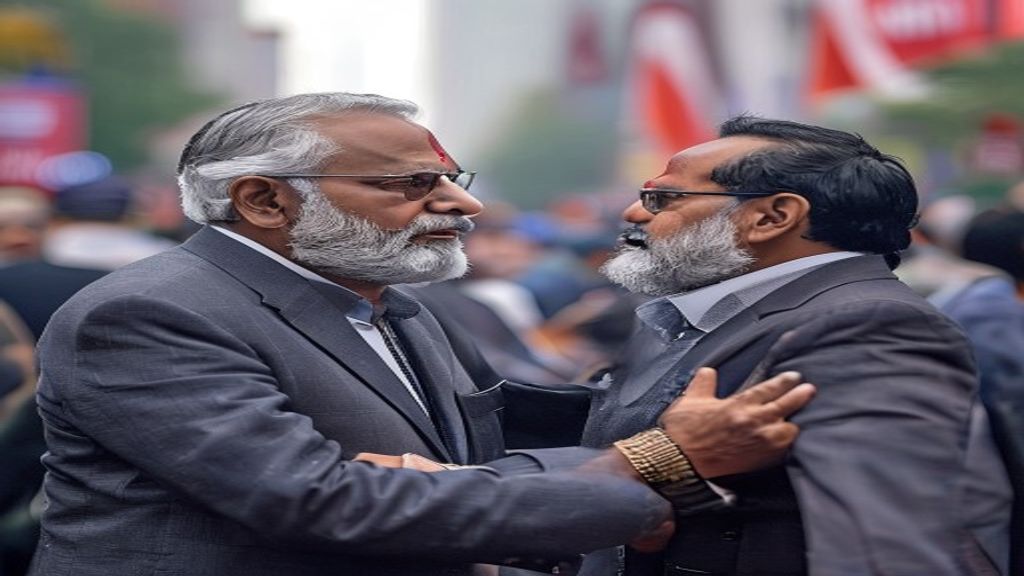
Rahul Gandhi has called for the resignation of Amit Shah, the Union Home Minister, following a violent crackdown on recent protests. This demand comes amid growing public outrage over the government's handling of dissent. Gandhi's appeal for Shah's resignation highlights the urgent need for accountability and transparency in the government's actions regarding civil liberties.
Background of the Protests
The protests erupted in response to controversial government policies that many citizens believe infringe on their rights. Demonstrators gathered in various cities, voicing their concerns over issues such as freedom of speech and assembly. As tensions escalated, reports emerged of excessive force used by law enforcement to disperse crowds. This situation prompted Rahul Gandhi to take a stand, emphasizing the importance of protecting democratic values.
Furthermore, Gandhi's call for Amit Shah's resignation is not just a political maneuver; it reflects widespread dissatisfaction among the populace. Many citizens feel that the government's response to peaceful protests has been heavy-handed and unjust. The demand for accountability resonates with those who believe that civil rights should be upheld, regardless of political affiliations.
Rahul Gandhi's Demands
In his statement, Rahul Gandhi urged for a Supreme Court-monitored investigation into the protest crackdown. He believes that an independent inquiry is essential to ensure justice for those affected by the government's actions. By advocating for this probe, Gandhi aims to restore public trust in the institutions meant to protect citizens' rights.
Moreover, Gandhi's insistence on a Supreme Court inquiry underscores the need for impartiality in addressing these serious allegations. He argues that only a transparent investigation can reveal the truth behind the government's tactics during the protests. This demand aligns with the broader call for accountability from various civil society groups and activists.
Public Reaction to the Crackdown
The public's reaction to the protest crackdown has been overwhelmingly negative. Many citizens have taken to social media to express their outrage and support for Gandhi's demands. Hashtags related to the protests and calls for Amit Shah's resignation have trended across various platforms, indicating a significant shift in public sentiment.
In addition, numerous civil rights organizations have joined the chorus, demanding an end to the violence against peaceful protesters. They argue that the government's approach undermines the very foundation of democracy. As a result, the pressure on Amit Shah to resign continues to mount, with many citizens calling for immediate action.
Political Implications of the Situation
The political implications of this situation are profound. If Amit Shah were to resign, it could signal a major shift in the government's approach to dissent. Political analysts suggest that such a move might lead to a reevaluation of policies that have sparked widespread unrest. Furthermore, it could pave the way for more open dialogue between the government and its citizens.
However, the ruling party has remained steadfast in its support for Shah. Officials argue that the government's actions were necessary to maintain law and order. This stance has only intensified the divide between the government and the opposition, with both sides entrenched in their positions.
The Role of the Supreme Court
The Supreme Court's involvement in this matter could be pivotal. A court-monitored investigation would not only lend credibility to the inquiry but also reassure the public that justice will be served. Legal experts believe that the court's intervention could set a precedent for how similar cases are handled in the future.
Moreover, the Supreme Court has a history of upholding civil liberties, making its role crucial in this context. As the situation unfolds, many are watching closely to see how the judiciary will respond to the demands for accountability and transparency.
Future of Civil Rights in India
The outcome of this situation could have lasting effects on civil rights in India. If the government fails to address the concerns raised by Gandhi and the public, it may face increased unrest. Citizens are becoming more aware of their rights and are less willing to accept government overreach.
In addition, the growing support for movements advocating for civil liberties suggests a shift in public consciousness. As more individuals engage in activism, the demand for accountability from leaders like Amit Shah will likely continue to grow. This evolving landscape indicates that the fight for civil rights in India is far from over.
Source: