Jammu & Kashmir Politicians Demand UN Action on PoK Killings
NewsJammu & Kashmir Politicians Demand UN Action on PoK Killings
Political leaders call for intervention after deadly clashes in PoK, urging UN and PM Modi to take action.
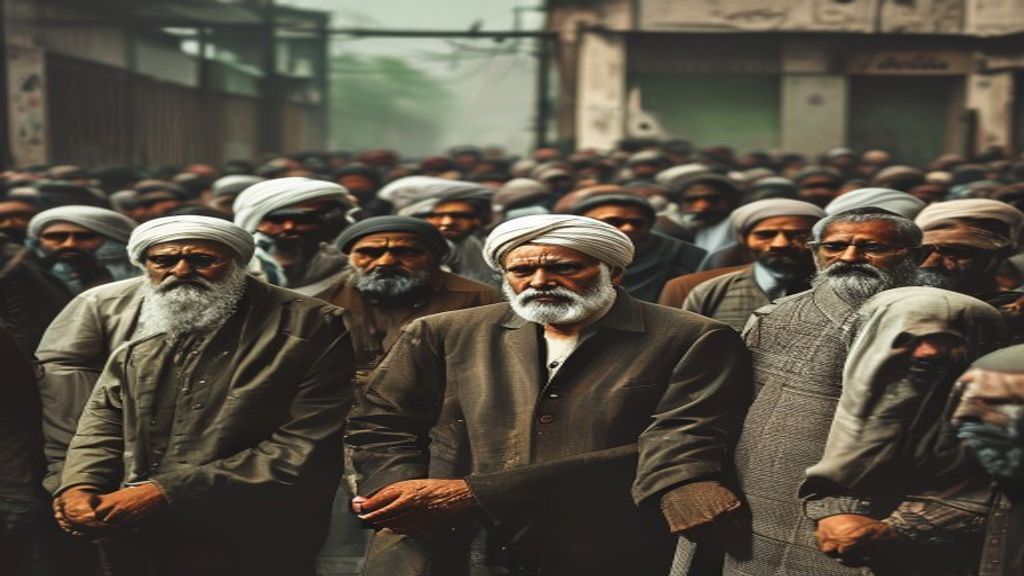
Political leaders in Jammu and Kashmir are calling for urgent intervention regarding the recent killings in Pakistan-occupied Kashmir (PoK). Reports indicate that over two dozen individuals lost their lives due to gunfire from Pakistani security forces. Prominent figures, including National Conference president Farooq Abdullah, are urging the United Nations Human Rights Council to send a team to investigate the situation. This escalation of unrest in PoK follows the government's ban on the Joint Awami Action Committee, raising concerns among Jammu Kashmir politicians about human rights violations.
Rising Tensions in PoK
The situation in Pakistan-occupied Kashmir has become increasingly volatile. Reports of violence have surged, prompting Jammu Kashmir politicians to voice their concerns. The recent crackdown on the Joint Awami Action Committee has intensified feelings of unrest among the local population. As a result, political leaders are demanding immediate action to address these human rights issues.
Furthermore, the call for a UN intervention highlights the urgency of the matter. Farooq Abdullah emphasized the need for international oversight to ensure accountability. He believes that a thorough investigation by the UN Human Rights Council could shed light on the ongoing violence and provide a pathway for justice.
Political Reactions from Jammu and Kashmir
In response to the alarming situation, various political parties in Jammu and Kashmir have united in their calls for action. The Communist Party of India (Marxist) legislator, MY Tarigami, has also spoken out against the use of force. He demands an immediate cessation of violence and an independent inquiry into the killings. This collective response from Jammu Kashmir politicians underscores the gravity of the situation and the need for a coordinated effort to address human rights violations.
Moreover, the political landscape in Jammu and Kashmir is shifting as leaders rally for a common cause. The urgency of the situation has prompted discussions about the role of the Indian government and Prime Minister Modi in addressing these issues. Many believe that the Indian government must take a stronger stance against the violence occurring in PoK.
International Implications of the Crisis
The ongoing crisis in PoK has significant international implications. As Jammu Kashmir politicians seek intervention, the global community is watching closely. The situation could affect diplomatic relations between India and Pakistan, especially if the violence continues to escalate. Political leaders are urging the international community to take notice and act accordingly.
In addition, the involvement of the UN could lead to a broader discussion about human rights in the region. The potential for international scrutiny may pressure both governments to engage in dialogue and seek peaceful resolutions. This could ultimately benefit the people of PoK, who are currently facing dire circumstances.
The Role of the Joint Awami Action Committee
The Joint Awami Action Committee has been a significant player in advocating for the rights of the people in PoK. However, the recent ban imposed by authorities has raised alarms among Jammu Kashmir politicians. Many view this as an attempt to stifle dissent and suppress voices calling for justice.
As a result, political leaders are calling for the reinstatement of the committee and the protection of its members. They argue that open dialogue and peaceful protest are essential for addressing the grievances of the people in PoK. The ban has only fueled tensions, making it imperative for Jammu Kashmir politicians to advocate for the restoration of democratic processes.
Future Prospects for Peace
Looking ahead, the prospects for peace in PoK remain uncertain. The calls for intervention from Jammu Kashmir politicians indicate a growing recognition of the need for external support. Political leaders are hopeful that international attention will lead to meaningful change and a reduction in violence.
Furthermore, the involvement of the UN could pave the way for a more comprehensive approach to resolving the crisis. By addressing the root causes of unrest and promoting dialogue, there is potential for a more stable and peaceful environment in PoK. As the situation develops, the actions taken by both local and international leaders will be crucial in shaping the future of the region.
Source: