Kejriwal Criticizes Modi Over AK-47 Use in Bihar Protest
NewsKejriwal Criticizes Modi Over AK-47 Use in Bihar Protest
Delhi Chief Minister Arvind Kejriwal condemns PM Modi's actions during Bihar protests, calling for student safety.
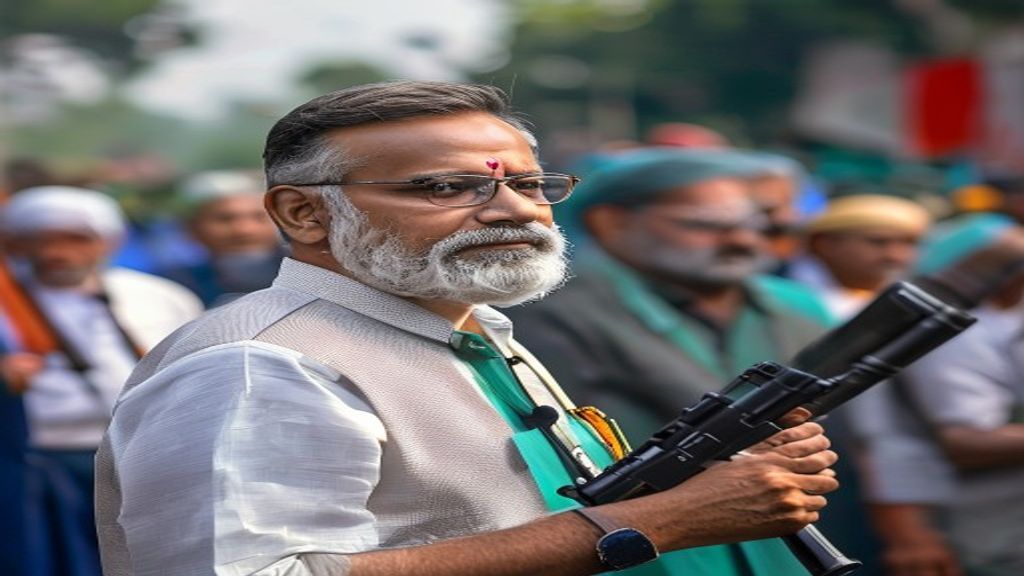
Delhi Chief Minister Arvind Kejriwal has sharply criticized Prime Minister Narendra Modi over the reported use of AK-47 rifles by security forces during recent protests in Bihar. This incident has raised significant concerns about the safety of students and citizens involved in the demonstrations. Kejriwal's comments came during a press conference held in New Delhi on October 15, 2023, where he emphasized the need for a peaceful resolution to the ongoing unrest.
Kejriwal's Strong Remarks on Student Safety
Kejriwal's remarks highlight a growing tension between state authorities and student protesters. He stated, "Don't mess with students," emphasizing that the government should prioritize dialogue over force. The Delhi Chief Minister expressed his dismay at the government's heavy-handed approach, which he believes undermines democratic rights. Furthermore, he called for an immediate investigation into the use of firearms against peaceful protesters.
In addition, Kejriwal urged the central government to engage with student leaders to address their concerns. He believes that open communication is essential for resolving the issues that have led to the protests. The Chief Minister's comments resonate with many who feel that the government is not listening to the voices of the youth.
Background of the Bihar Protests
The protests in Bihar began in early October 2023, sparked by various grievances among students regarding educational policies and job opportunities. Many students have taken to the streets, demanding reforms and better support from the government. The situation escalated when reports emerged about the deployment of armed security personnel to manage the protests.
As a result, tensions have risen, leading to clashes between protesters and law enforcement. Eyewitness accounts describe a chaotic scene, with students expressing their frustration over the government's lack of responsiveness. Kejriwal's comments reflect a broader concern about the treatment of young people in such situations.
The Role of Social Media in the Protests
Social media has played a crucial role in organizing and amplifying the voices of the protesters. Platforms like Twitter and Instagram have been flooded with posts and videos documenting the events in Bihar. This digital activism has helped raise awareness and garner support from across the country.
Moreover, many students have used hashtags to unify their message and call for justice. Kejriwal acknowledged the power of social media in mobilizing support, stating that it has become an essential tool for the youth. He encouraged students to continue using these platforms to advocate for their rights peacefully.
Government's Response to the Protests
The central government has faced criticism for its handling of the protests. Officials have defended the use of security forces, claiming it was necessary to maintain order. However, many believe that the response has been disproportionate and has escalated the situation further.
In response to Kejriwal's comments, government representatives have reiterated their commitment to student safety. They have promised to investigate the incidents involving firearms and ensure accountability. However, skepticism remains among the protesters, who demand tangible actions rather than mere assurances.
The Impact of Protests on Political Landscape
The ongoing protests in Bihar have significant implications for the political landscape in India. As student activism gains momentum, political leaders are increasingly aware of the need to address youth concerns. Kejriwal's vocal support for the protesters may resonate with young voters, potentially influencing future elections.
Furthermore, the protests highlight a growing divide between the government and the youth. Many young people feel disconnected from political leaders, leading to increased activism and demands for change. This shift could reshape political strategies as parties seek to engage with younger demographics.
Future of Student Activism in India
As the situation in Bihar continues to unfold, the future of student activism in India remains uncertain. The protests have sparked discussions about the role of youth in shaping policy and governance. Kejriwal's comments may inspire other leaders to take a stand on similar issues, fostering a culture of accountability.
In addition, the events in Bihar could encourage more students to participate in activism. As they witness the impact of collective action, young people may feel empowered to voice their concerns. This growing movement could lead to significant changes in how the government addresses educational and employment issues in the future.
Source: