Six Major Paper Leaks in Five Years: Maliwal Critiques Kejriwal
NewsSix Major Paper Leaks in Five Years: Maliwal Critiques Kejriwal
Swati Maliwal calls out Kejriwal for repeated failures in handling paper leaks in Punjab.
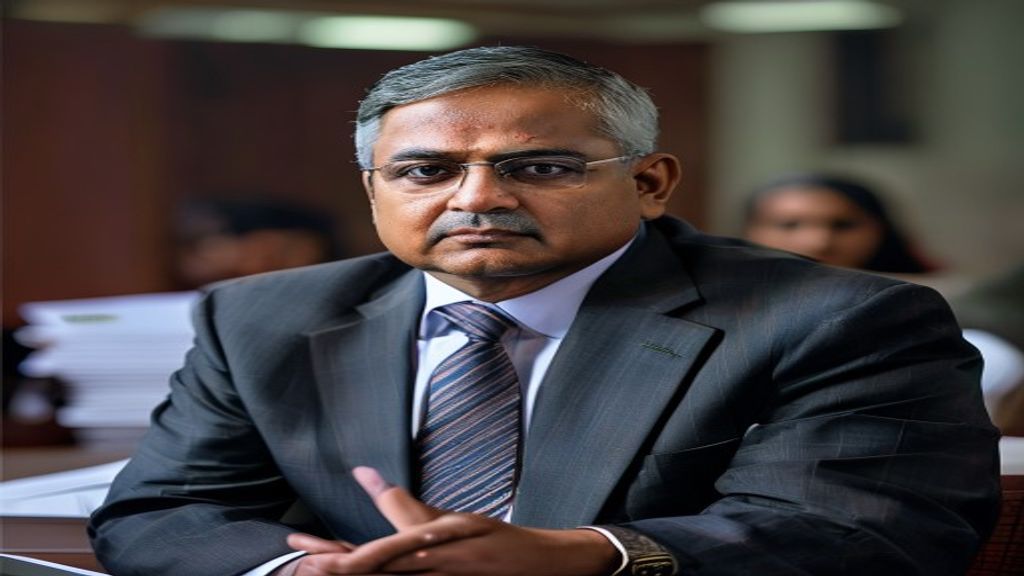
In a recent statement, Swati Maliwal, the Chairperson of the Delhi Commission for Women, criticized Delhi Chief Minister Arvind Kejriwal for his handling of paper leaks in Punjab. Maliwal highlighted that there have been six significant paper leaks in the past five years, raising concerns about the integrity of the education system. This issue has sparked widespread debate about accountability and governance in Punjab.
The Impact of Paper Leaks in Punjab
Paper leaks in Punjab have become a recurring issue, undermining the credibility of various examinations. These leaks not only affect students' futures but also erode public trust in the educational system. As a result, many students feel disillusioned, questioning the fairness of their opportunities. Furthermore, the repeated incidents of paper leaks raise alarms about the security measures in place during examinations.
In addition, the ramifications of these leaks extend beyond individual students. They impact the overall educational environment, leading to a perception of corruption and inefficiency. Parents and educators alike express frustration over the lack of effective solutions to prevent such incidents. The ongoing situation demands immediate attention from the authorities to restore faith in the examination process.
Maliwal's Criticism of Kejriwal
Swati Maliwal's remarks aimed at Kejriwal highlight a growing concern among the public regarding his leadership. She referred to him as a "super CM," suggesting that he has failed to address critical issues like paper leaks in Punjab effectively. This criticism reflects a broader sentiment that the current administration is not doing enough to safeguard the integrity of the examination system.
Moreover, Maliwal's comments resonate with many citizens who feel that the government has not prioritized educational reforms. The repeated failures in managing paper leaks indicate a lack of accountability and transparency. As a result, calls for action are intensifying, urging the government to implement stricter measures to prevent future occurrences.
The Role of Government in Preventing Paper Leaks
The government plays a crucial role in ensuring the integrity of examinations. Effective policies and robust security measures are essential to prevent paper leaks in Punjab. However, the current situation indicates that existing protocols may be insufficient. Authorities must evaluate and enhance their strategies to protect the examination process.
Furthermore, collaboration between educational institutions and government bodies is vital. By working together, they can develop comprehensive solutions to address the root causes of paper leaks. This partnership can foster a more secure environment for students and restore confidence in the examination system.
Public Reaction to Paper Leaks
Public reaction to the ongoing issue of paper leaks has been overwhelmingly negative. Many citizens express their frustration through social media and public forums, demanding accountability from their leaders. The perception of a compromised educational system has led to protests and calls for reform.
In addition, students affected by these leaks have voiced their concerns about the fairness of their examinations. They argue that repeated incidents of paper leaks create an uneven playing field, disadvantaging honest students. This growing discontent highlights the urgent need for the government to take decisive action.
Future Implications for Punjab's Education System
The future of Punjab's education system hangs in the balance as paper leaks continue to plague the examination process. If the government fails to address these issues, the long-term consequences could be dire. A lack of trust in the system may lead to decreased enrollment and a decline in educational standards.
Moreover, the ongoing situation could deter potential investors and educational institutions from establishing a presence in Punjab. This could stifle growth and development in the region, further exacerbating the challenges faced by students and educators. Therefore, immediate and effective measures are essential to safeguard the future of education in Punjab.
Steps Toward Reform
To combat the issue of paper leaks in Punjab, the government must take proactive steps toward reform. Implementing stricter security measures during examinations is a crucial first step. Additionally, increasing transparency in the examination process can help restore public trust.
Furthermore, engaging with stakeholders, including educators and students, can provide valuable insights into effective solutions. By fostering an inclusive dialogue, the government can develop strategies that address the concerns of all parties involved. This collaborative approach is essential for creating a more secure and trustworthy educational environment in Punjab.
Source: