Government Rejects Meta’s Explanation on PM Modi’s Video Removal
NewsGovernment Rejects Meta's Explanation on PM Modi's Video Removal
Ongoing discussions between the government and Meta over PM Modi's Facebook video incident raise concerns.
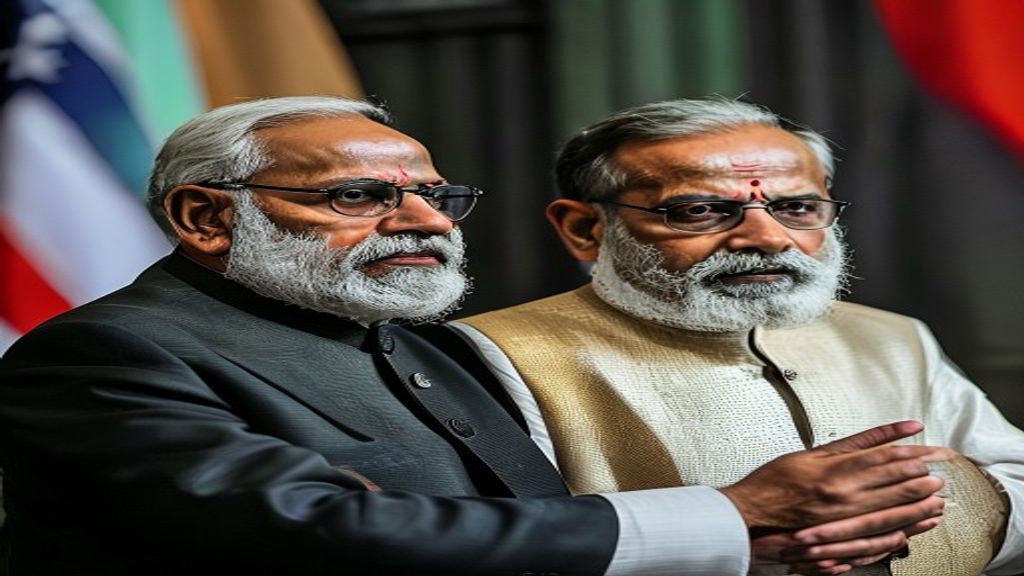
The Indian government has expressed dissatisfaction with Meta's explanation regarding the brief removal of Prime Minister Modi's video from Facebook. This incident has sparked significant discussions, with government officials stating that the PM Modi video removal issue requires further dialogue with the social media giant. The ministry has taken steps to address the situation, indicating that the matter is far from resolved.
Government's Response to Meta's Explanation
The Centre's reaction to Meta's response highlights the seriousness of the PM Modi video removal incident. Officials have labeled Meta's explanation as unreasonable, emphasizing the need for more comprehensive discussions. The ministry summoned Meta's global head of public policy to address the concerns directly. This move underscores the government's commitment to ensuring transparency and accountability from social media platforms.
Furthermore, the government aims to establish clearer guidelines for content moderation on platforms like Facebook. As a result, officials are pushing for a more robust framework that protects the integrity of political figures while respecting freedom of expression. The ongoing discussions are crucial for setting a precedent in how social media companies handle sensitive content related to political leaders.
Implications of the PM Modi Video Removal
The brief removal of PM Modi's video from Facebook raises important questions about censorship and the role of social media in politics. The incident has sparked debates about the balance between content moderation and the right to free speech. Critics argue that such actions could undermine democratic processes and limit public access to information.
In addition, the PM Modi video removal incident has prompted calls for greater accountability from social media platforms. Stakeholders are urging the government to take a firm stance against arbitrary content removal. This situation highlights the need for clearer policies that govern how social media companies operate in India.
Future of Government and Meta Relations
The relationship between the Indian government and Meta is at a critical juncture following the PM Modi video removal. Ongoing discussions will likely shape the future of social media regulations in the country. Officials are keen to ensure that platforms like Facebook adhere to local laws while maintaining their global standards.
Meanwhile, Meta's response to the government's concerns will be closely monitored. The company must navigate this complex landscape carefully to avoid further conflicts. As the dialogue continues, both parties will need to find common ground to address the challenges posed by content moderation.
Public Reaction to the Incident
Public reaction to the PM Modi video removal has been mixed, with many expressing concern over censorship. Social media users have taken to various platforms to voice their opinions, highlighting the importance of transparency in content moderation. This incident has sparked a broader conversation about the power dynamics between governments and social media companies.
As a result, many citizens are calling for more robust regulations that protect users' rights while ensuring that political content is not unduly censored. The government's handling of this situation will play a significant role in shaping public trust in both political institutions and social media platforms.
The Role of Social Media in Political Discourse
The PM Modi video removal incident underscores the critical role social media plays in political discourse. Platforms like Facebook have become essential tools for politicians to communicate with the public. However, the challenges of content moderation raise concerns about the potential for bias and censorship.
Furthermore, the ongoing discussions between the government and Meta may lead to new regulations that impact how political content is managed online. Stakeholders are advocating for a balanced approach that protects free speech while addressing the need for responsible content moderation. The outcome of these discussions will be pivotal in defining the future landscape of political communication in India.
Source: