PM Modi Reviews Assam Floods Impacting Over 4.45 Lakh Residents
NewsPM Modi Reviews Assam Floods Impacting Over 4.45 Lakh Residents
Prime Minister Modi assesses the situation as relief efforts intensify for flood-affected communities.
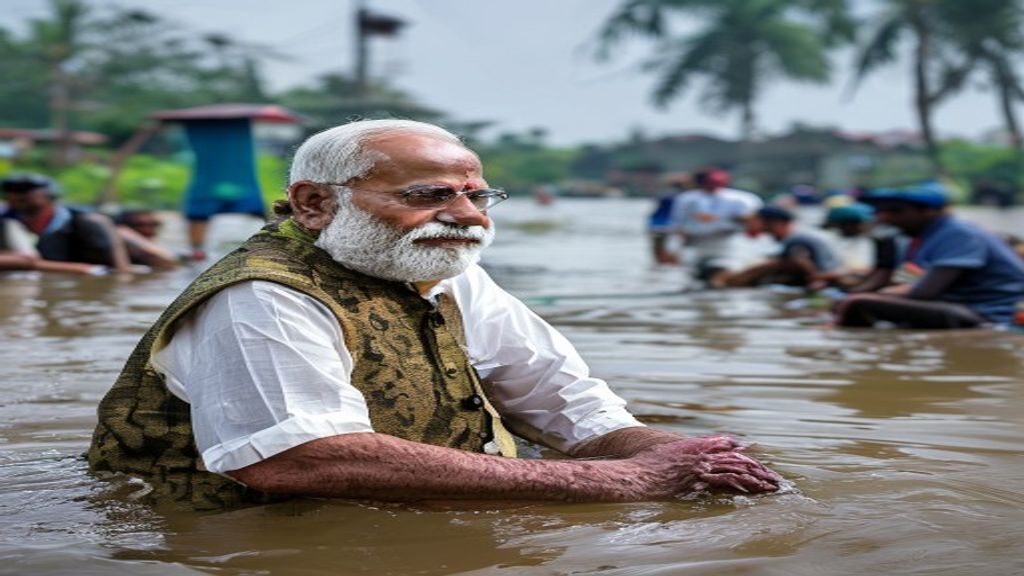
Prime Minister Narendra Modi has conducted a review of the Assam floods, which have left over 4.45 lakh residents affected. The floods, which began in early October 2023, have caused significant damage across various districts in Assam. The central government is stepping up its relief efforts to support the impacted communities and restore normalcy in the region.
Overview of the Assam Flood Situation
The Assam floods have emerged as a critical humanitarian crisis, with thousands displaced and infrastructure severely damaged. As of now, the state government reports that more than 4.45 lakh individuals are grappling with the aftermath of the floods. The heavy rainfall and subsequent flooding have disrupted daily life, leading to urgent calls for assistance from both state and central authorities.
Furthermore, the Prime Minister's review meeting aimed to assess the ongoing situation and coordinate relief efforts. Officials from the National Disaster Management Authority (NDMA) and state agencies provided updates on the ground realities. The Prime Minister emphasized the need for swift action to ensure that affected families receive the necessary support.
Government Response to the Flood Crisis
In response to the Assam floods, the central government has mobilized resources to aid the affected regions. Relief materials, including food, water, and medical supplies, are being dispatched to the worst-hit areas. The Prime Minister has directed officials to ensure that assistance reaches those in need without delay.
In addition, the government is working closely with local authorities to establish temporary shelters for displaced individuals. These shelters aim to provide a safe haven for families until they can return to their homes. The focus remains on delivering immediate relief while also planning for long-term recovery.
Impact on Local Communities
The impact of the Assam floods on local communities has been devastating. Many families have lost their homes and livelihoods, leading to a significant increase in vulnerability. Schools and healthcare facilities have also been affected, further complicating the situation for residents.
Moreover, the floods have disrupted agricultural activities, which are vital for the local economy. Farmers are facing challenges in accessing their fields, and crop losses are expected to be substantial. As a result, the government is considering measures to support farmers in the recovery process.
Relief Operations and Challenges
Relief operations are underway, but challenges persist in reaching remote areas. Floodwaters have made many roads impassable, complicating logistics for delivering aid. The government is deploying helicopters and boats to ensure that assistance reaches those stranded by the floods.
However, the scale of the disaster poses significant challenges for relief workers. They are working tirelessly to assess needs and distribute supplies effectively. The Prime Minister has called for coordinated efforts among various agencies to overcome these obstacles and provide timely support.
Community Resilience and Support
Despite the challenges posed by the Assam floods, local communities are demonstrating remarkable resilience. Neighbors are coming together to support one another, sharing resources and providing shelter to those in need. Community leaders are playing a crucial role in organizing relief efforts and ensuring that everyone receives assistance.
Furthermore, various non-governmental organizations (NGOs) are stepping in to provide additional support. These organizations are focusing on delivering food, medical aid, and psychological support to affected individuals. Their efforts complement government initiatives and help strengthen community bonds during this crisis.
Future Preparedness and Mitigation
Looking ahead, the government is focusing on improving flood preparedness and mitigation strategies. The Prime Minister has stressed the importance of investing in infrastructure that can withstand extreme weather events. This includes enhancing drainage systems and creating better flood management plans.
In addition, community awareness programs are being developed to educate residents about flood risks and safety measures. By fostering a culture of preparedness, the government aims to reduce the impact of future floods on vulnerable populations.
The ongoing situation in Assam highlights the urgent need for effective disaster management strategies. As the government continues its relief efforts, the focus remains on rebuilding lives and ensuring that communities are better equipped to face future challenges.
Source: