India Rejects Pakistan’s Polls in PoK as Cosmetic Exercise
NewsIndia Rejects Pakistan's Polls in PoK as Cosmetic Exercise
India's Ministry of External Affairs condemns elections in Pakistan-occupied Kashmir as a facade for illegal occupation.
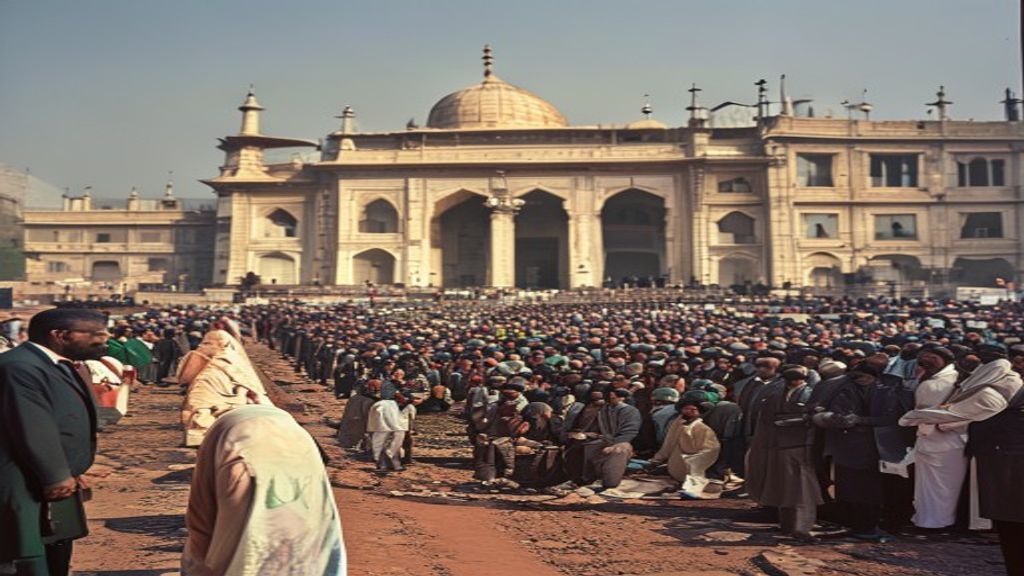
India's Ministry of External Affairs (MEA) has firmly rejected the Pakistan-organised polls in Pakistan-occupied Kashmir (PoK), labeling them as a mere cosmetic exercise. This statement comes in response to the elections held on October 8, 2023, which India views as an attempt by Pakistan to legitimize its illegal occupation of the region. The MEA emphasized that such actions do not alter the status of PoK, which India claims as its territory.
The MEA's condemnation highlights India's long-standing position on the issue. The Indian government has consistently maintained that PoK is an integral part of its territory. Furthermore, the MEA reiterated that the elections do not reflect the will of the people in the region, as they are conducted under the shadow of Pakistan's military presence and control.
India's Stance on PoK Elections
India's rejection of the Pakistan-organised polls in PoK underscores its commitment to reclaiming the territory. The MEA stated that the elections are a tactic employed by Pakistan to distract from its human rights violations in the region. As a result, India calls for the international community to recognize the illegitimacy of these elections.
In addition, the MEA urged Pakistan to cease its attempts to manipulate the political landscape in PoK. The Indian government believes that genuine democratic processes cannot occur under the current circumstances, where the rights of the local population are suppressed. This situation further complicates the already tense relations between India and Pakistan.
International Reactions to the Elections
The international community has been closely monitoring the situation in PoK. Various countries have expressed concern over Pakistan's actions in the region. However, many remain cautious about directly intervening in the dispute. The MEA's statement serves as a reminder of India's position and its call for global awareness regarding the ongoing issues in PoK.
Moreover, India's diplomatic efforts aim to garner support against Pakistan's narrative. The MEA has reached out to several nations, emphasizing the need for a unified stance against illegal occupations. This outreach is crucial in building a coalition that supports India's claims over PoK.
Human Rights Concerns in PoK
Human rights organizations have raised alarms about the situation in PoK. Reports indicate widespread violations, including restrictions on freedom of speech and assembly. The MEA highlighted these concerns in its statement, asserting that the Pakistan-organised polls in PoK do not address the fundamental rights of the people living there.
Furthermore, the MEA pointed out that the elections are conducted without the participation of significant political factions that represent the local population. This exclusion raises questions about the legitimacy of the electoral process. As a result, the MEA calls for international scrutiny of Pakistan's governance in PoK.
Historical Context of PoK
The history of Pakistan-occupied Kashmir is fraught with conflict and territorial disputes. Since the first Indo-Pakistani war in 1947, the region has been a point of contention between the two nations. India maintains that the entire territory of Jammu and Kashmir, including PoK, is rightfully Indian.
In addition, the MEA's rejection of the Pakistan-organised polls in PoK is rooted in this historical context. India views these elections as an attempt to solidify Pakistan's claim over the region, which India vehemently opposes. The ongoing struggle for sovereignty continues to shape the geopolitical landscape of South Asia.
Future Implications for India-Pakistan Relations
The Pakistan-organised polls in PoK could have significant implications for future India-Pakistan relations. India's firm stance against these elections may lead to increased tensions between the two nations. The MEA's rejection signals that India will not tolerate any attempts to legitimize Pakistan's control over PoK.
Moreover, the situation may impact diplomatic negotiations in the region. As both countries navigate their complex relationship, the issue of PoK remains a critical point of contention. The MEA's statement reinforces India's commitment to addressing the situation and advocating for the rights of the people in PoK.
Conclusion
The MEA's rejection of the Pakistan-organised polls in PoK highlights India's unwavering position on the issue. As the situation unfolds, the international community watches closely, and the implications for regional stability remain uncertain. India's commitment to reclaiming PoK continues to shape its foreign policy and diplomatic efforts in the region.
Source: