Supreme Court Addresses Violence During Student Protests in India
NewsSupreme Court Addresses Violence During Student Protests in India
Supreme Court demands accountability for violence during recent student protests, emphasizing justice and order.
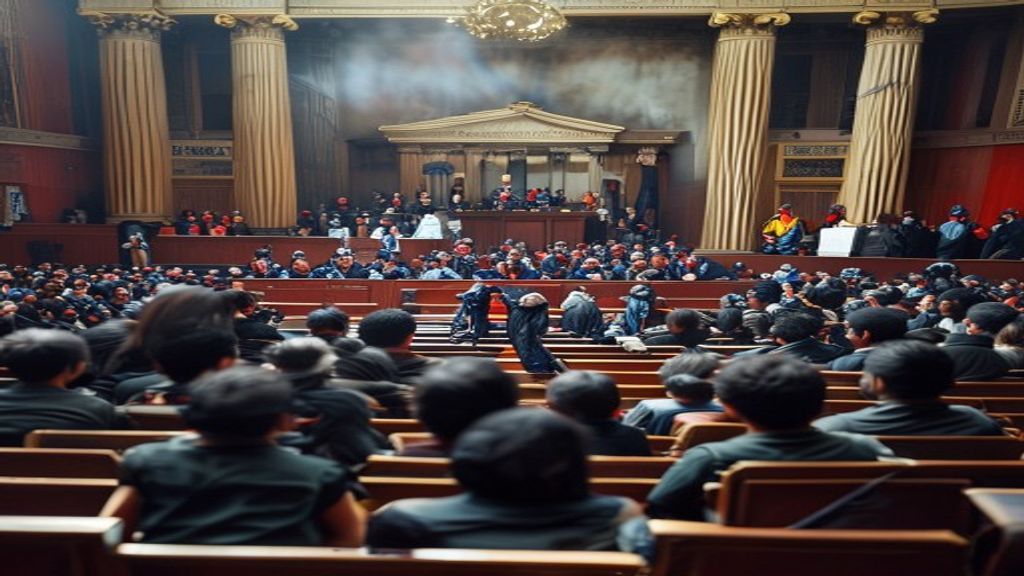
The Supreme Court of India has taken a firm stance on the issue of student protests violence that erupted during recent demonstrations across the country. This decision comes in response to widespread unrest that has raised concerns about safety and order in educational institutions. The court emphasized that those responsible for any excesses during these protests must be held accountable to ensure justice and maintain peace.
Supreme Court's Stance on Student Protests Violence
The Supreme Court's ruling highlights the need for a thorough investigation into the incidents of violence that occurred during the student protests. The court has called for authorities to identify and take action against individuals who committed acts of violence. This directive aims to restore faith in the justice system and reassure students and the public that such behavior will not be tolerated.
Furthermore, the court's intervention reflects a growing concern over the safety of students during protests. Educational institutions should be places of learning and expression, not violence. The Supreme Court's involvement signals a commitment to uphold the rights of students while ensuring that protests remain peaceful and constructive.
Background of the Student Protests
The recent student protests were sparked by various issues, including demands for better educational facilities and changes in academic policies. Students across multiple universities organized demonstrations to voice their concerns. However, these peaceful protests escalated into violence in several instances, leading to clashes with law enforcement.
As a result, the situation has drawn significant media attention and public scrutiny. The Supreme Court's involvement underscores the importance of addressing the root causes of these protests while ensuring that any violence is dealt with appropriately. The court's ruling serves as a reminder that student voices matter, but they must be expressed in a manner that does not compromise safety.
The Role of Law Enforcement
Law enforcement agencies play a crucial role in managing student protests violence. The Supreme Court has urged these agencies to adopt a balanced approach when dealing with demonstrators. This includes protecting the rights of students while maintaining public order.
In addition, the court has called for training programs for police personnel to handle protests more effectively. Such training can help prevent escalation and ensure that law enforcement acts within the bounds of the law. The goal is to create an environment where students can express their views without fear of violence or repression.
Accountability and Justice
The Supreme Court's emphasis on accountability is a significant aspect of its ruling. The court has made it clear that any individual found guilty of instigating violence during the student protests must face legal consequences. This approach aims to deter future incidents and promote a culture of respect for the law.
Moreover, the court's decision reinforces the idea that justice must be served for all parties involved. Victims of violence during the protests deserve recognition and support. By holding perpetrators accountable, the court seeks to foster a sense of justice within the student community and beyond.
The Impact on Future Protests
The Supreme Court's ruling on student protests violence may have lasting implications for future demonstrations. Students may feel more empowered to voice their concerns, knowing that the judiciary supports their right to protest peacefully. However, they must also understand the importance of maintaining order during such events.
Furthermore, educational institutions may need to implement policies that encourage constructive dialogue between students and administration. By fostering an environment of open communication, schools can address issues before they escalate into protests. This proactive approach can help mitigate the risk of violence and ensure that student voices are heard.
Conclusion on the Supreme Court's Intervention
The Supreme Court's intervention in the matter of student protests violence marks a pivotal moment in India's legal landscape. By demanding accountability and emphasizing the importance of peaceful protests, the court has set a precedent for how such situations should be handled in the future. This ruling not only addresses the immediate concerns surrounding recent protests but also lays the groundwork for a more respectful and safe environment for students across the nation.
Source: