Death Penalty Sought for Tahir Hussain in Delhi Riots Case
NewsDeath Penalty Sought for Tahir Hussain in Delhi Riots Case
Ankit Sharma's brutal murder highlights the need for justice in the Delhi riots case.
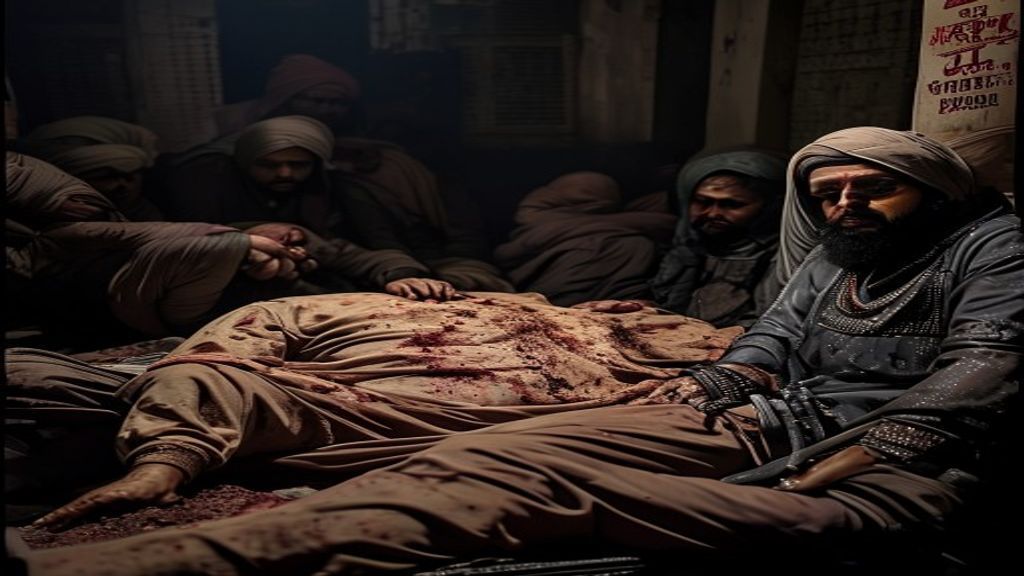
In a significant development in the Delhi riots case, special public prosecutor Madhukar Pandey has called for the death penalty for Tahir Hussain. This demand arises from the brutal murder of Ankit Sharma, who suffered 51 injuries before his body was discarded in a drain. The prosecution argues that the crime was not only heinous but also executed with a chilling level of planning and intent.
Details of Ankit Sharma's Murder
The tragic death of Ankit Sharma occurred during the violent clashes in Delhi in February 2020. Prosecutor Madhukar Pandey emphasized that Sharma was subjected to a relentless and premeditated assault. Instead of receiving medical attention, his body was callously disposed of, underscoring the brutality of the attack. This shocking revelation has intensified calls for justice in the Delhi riots case.
Furthermore, the prosecution's case highlights the need for accountability in such violent incidents. The manner in which Sharma was killed reflects a broader pattern of violence that erupted during the riots. As a result, the demand for capital punishment aims to send a strong message against such acts of brutality.
The Role of the Prosecution
The prosecution, led by Madhukar Pandey, has meticulously built its case against Tahir Hussain. They argue that the evidence clearly points to Hussain's involvement in orchestrating the violence that led to Sharma's death. The prosecution's strategy focuses on the nature of the crime, which they describe as particularly egregious.
In addition, the prosecution has gathered testimonies and evidence that illustrate the chaotic environment during the riots. This context is crucial for understanding the severity of the actions taken against Sharma. The call for the death penalty reflects the prosecution's belief that such a punishment is warranted given the circumstances.
Public Reaction to the Case
Public sentiment surrounding the Delhi riots case has been intense. Many citizens are calling for justice for Ankit Sharma and others who lost their lives during the riots. The demand for the death penalty for Tahir Hussain has sparked discussions about the effectiveness of the legal system in addressing hate crimes and violence.
Moreover, community leaders and activists have voiced their concerns regarding the safety of individuals in communal conflicts. They argue that the legal system must take a firm stance against those who perpetrate violence. As a result, the outcome of this case could set a precedent for how similar cases are handled in the future.
Legal Implications of the Case
The Delhi riots case raises important legal questions about accountability and justice. If the court grants the prosecution's request for the death penalty, it could have far-reaching implications for future cases involving communal violence. Legal experts suggest that such a ruling may deter potential offenders from engaging in similar acts.
Furthermore, the case highlights the challenges faced by the judicial system in dealing with politically charged violence. The complexities of communal riots often complicate legal proceedings. However, the prosecution's strong stance in this case may encourage a more robust approach to handling future incidents.
The Importance of Justice
Justice for victims like Ankit Sharma is essential for healing and reconciliation in communities affected by violence. The Delhi riots case serves as a reminder of the need for a fair and effective legal process. Ensuring that perpetrators are held accountable is crucial for restoring faith in the justice system.
In addition, the case underscores the importance of addressing the root causes of communal violence. By focusing on justice, society can work towards preventing such tragedies in the future. The demand for the death penalty for Tahir Hussain reflects a collective desire for accountability and justice in the face of brutality.
Next Steps in the Legal Process
As the Delhi riots case progresses, the court will consider the prosecution's request for the death penalty. Legal experts anticipate that the proceedings will draw significant public attention. The outcome will likely influence future cases related to communal violence.
Meanwhile, the families of victims continue to seek justice and closure. The legal process can be lengthy, but the demand for accountability remains strong. The Delhi riots case is not just about one individual; it represents a broader struggle for justice in a society grappling with the aftermath of violence.
Source: