Delhi Police Officer Denies Authorizing RAF Pellet Gun Use
NewsDelhi Police Officer Denies Authorizing RAF Pellet Gun Use
Controversy arises as officer claims no authorization for pellet guns during CJP march in Delhi.
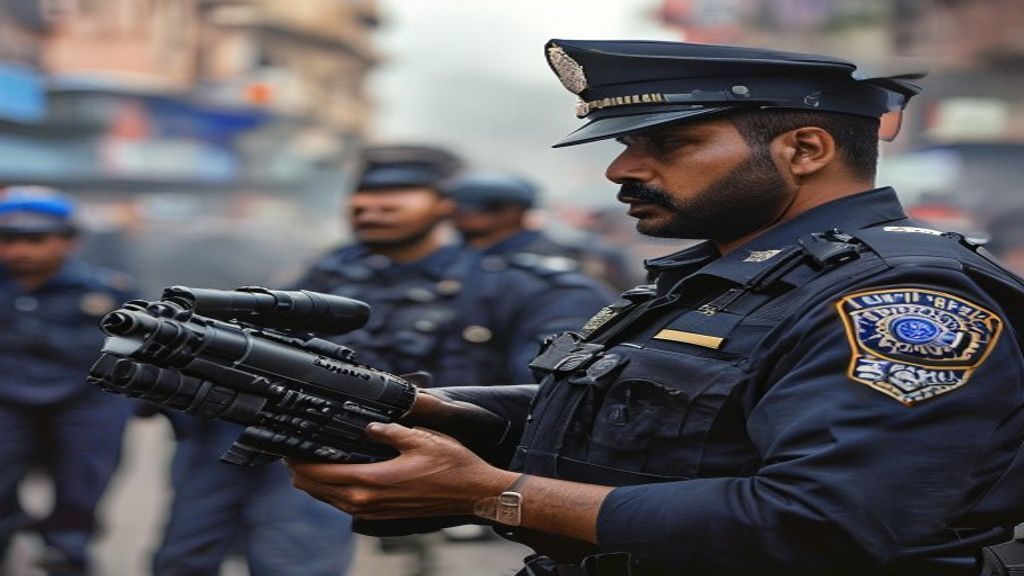
A Delhi Police officer has publicly denied authorizing the use of pellet guns by the Rapid Action Force (RAF) during a recent march organized by the Citizens for Justice and Peace (CJP). This incident took place in Delhi, raising questions about police conduct and the use of force in crowd control situations. The officer's statement comes amid growing scrutiny over the tactics employed by law enforcement during protests.
Background of the Incident
The march organized by CJP aimed to address various social issues and promote justice. It attracted a significant number of participants, leading to heightened police presence. Reports indicate that the RAF was deployed to manage the crowd, but the use of pellet guns has sparked outrage among activists and citizens alike. The Delhi Police pellet gun firing has become a focal point of discussion regarding police accountability and the appropriate use of force.
Furthermore, eyewitness accounts suggest that the situation escalated quickly, prompting the police to take action. However, the officer's denial raises questions about the chain of command and decision-making processes within the Delhi Police. The use of pellet guns, which have been criticized for their potential to cause severe injuries, adds another layer of complexity to this situation.
Official Statements and Reactions
In response to the incident, various human rights organizations have condemned the use of pellet guns. They argue that such measures are disproportionate and violate the rights of peaceful protesters. The officer's denial of authorization for the Delhi Police pellet gun firing has led to calls for an independent investigation into the matter. Activists are demanding transparency and accountability from law enforcement agencies.
Moreover, the Delhi Police have faced criticism in the past for their handling of protests. This incident has reignited debates about police reform and the need for better training in crowd management. As a result, public trust in the police may be further eroded if these issues are not addressed promptly.
Legal Implications of Pellet Gun Use
The use of pellet guns by law enforcement raises significant legal questions. In India, the deployment of such weapons is governed by specific regulations. Critics argue that the use of pellet guns during the CJP march may have violated these guidelines. Legal experts emphasize the importance of adhering to established protocols to ensure the safety of both officers and civilians.
Additionally, the potential for legal action against the Delhi Police is a possibility if it is determined that the use of pellet guns was unauthorized. Victims of the incident may seek redress through the courts, further complicating the situation for the police department. The implications of this incident could lead to broader discussions about the legal framework surrounding crowd control measures.
Public Sentiment and Media Coverage
Public sentiment regarding the Delhi Police pellet gun firing has been overwhelmingly negative. Social media platforms have become a battleground for opinions, with many users expressing outrage over the incident. Media coverage has highlighted the growing concerns about police brutality and the need for reform in law enforcement practices.
Furthermore, the incident has sparked discussions about the role of the media in reporting police actions. Journalists are tasked with providing accurate and timely information, but they also face challenges in covering sensitive topics like police violence. The balance between reporting facts and advocating for justice is a delicate one, and this incident has brought it to the forefront.
Future of Police Accountability
The controversy surrounding the Delhi Police pellet gun firing during the CJP march underscores the urgent need for police accountability. Activists and legal experts are calling for comprehensive reforms to ensure that law enforcement agencies operate within the bounds of the law. This includes better training for officers and clearer guidelines on the use of force.
As discussions continue, it is crucial for the Delhi Police to engage with the community and address concerns about their practices. Building trust between law enforcement and the public is essential for maintaining social order and ensuring that citizens feel safe during protests. The outcome of this incident may set a precedent for how similar situations are handled in the future.
Source: