Army Jawans Injured in Uri Accidental Blast Near Line of Control
NewsArmy Jawans Injured in Uri Accidental Blast Near Line of Control
Two soldiers hurt in Uri sector incident, now stable after treatment
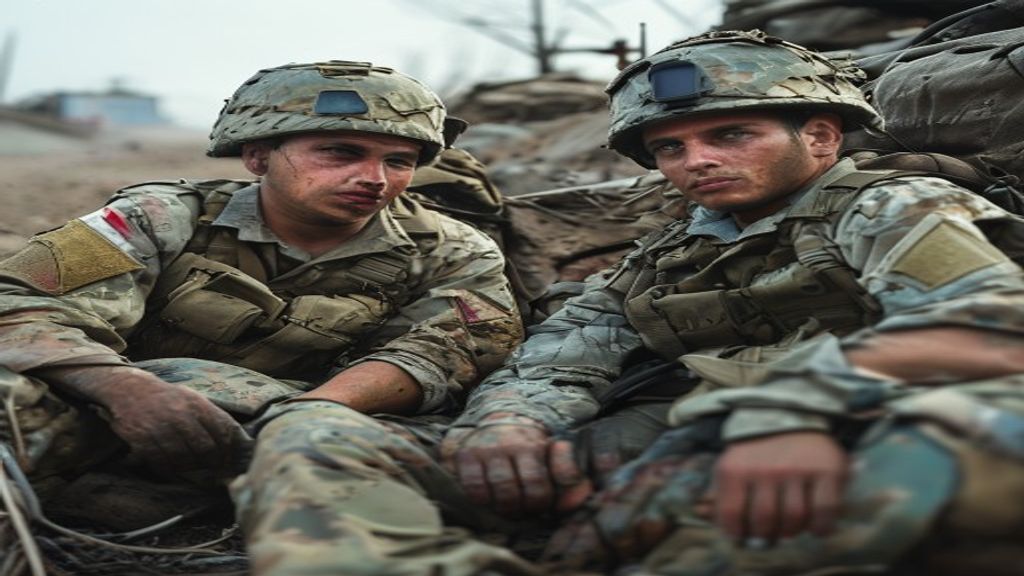
Two Army jawans sustained injuries in an Uri accidental blast near the Line of Control on Tuesday. The incident took place in the Kamalkote area of the Uri sector, highlighting the ongoing risks faced by military personnel in the region. Both injured soldiers were quickly transported to the Army Base Hospital in Badamibagh for immediate medical attention. Medical officials confirmed that both soldiers are currently in stable condition, alleviating concerns about their health.
Details of the Uri Accidental Blast
The Uri accidental blast occurred during routine operations near the Line of Control, a sensitive area that often experiences military activity. Eyewitnesses reported a loud explosion, which prompted a swift response from fellow soldiers. The quick evacuation of the injured personnel underscores the preparedness of the Army in such emergencies.
Furthermore, the incident has raised questions about safety protocols in place for soldiers operating in high-risk zones. The Army has emphasized the importance of adhering to strict safety measures to prevent such accidents in the future.
Response from Military Officials
Military officials have expressed their concern regarding the Uri accidental blast. They reiterated the need for continuous training and safety drills to minimize risks. In addition, they are reviewing current safety protocols to ensure that all personnel are adequately protected during operations.
Moreover, the Army has assured the families of the injured soldiers that they will receive the best possible care. The medical team at the Army Base Hospital is closely monitoring their recovery process.
Impact on Local Community
The Uri accidental blast not only affects the soldiers but also has implications for the local community. Residents in the Kamalkote area are often reminded of the dangers associated with military operations. As a result, there is a heightened sense of awareness and concern among locals regarding safety measures.
In addition, community leaders have called for more dialogue between the military and local residents. They believe that better communication can help alleviate fears and foster a safer environment for everyone involved.
Historical Context of Military Incidents in Uri
Uri has a history of military incidents, making it a focal point for security operations. The region has witnessed various confrontations and accidents over the years, emphasizing the need for vigilance. The Uri accidental blast serves as a reminder of the ongoing challenges faced by the Army in maintaining peace and security along the Line of Control.
Furthermore, the strategic importance of Uri cannot be overstated. It is crucial for both military operations and local governance. As such, incidents like this one highlight the delicate balance that must be maintained.
Future Measures to Enhance Safety
In light of the Uri accidental blast, the Army is likely to implement additional safety measures. These may include enhanced training programs focused on risk management and emergency response. The goal is to ensure that soldiers are well-prepared for any situation they may encounter.
Moreover, the Army may also consider investing in advanced technology to improve safety during operations. This could involve the use of drones or other equipment to assess risks before engaging in activities near the Line of Control.
Community Support for Injured Soldiers
The local community has shown strong support for the injured soldiers following the Uri accidental blast. Many residents have expressed their gratitude for the sacrifices made by military personnel. Local organizations are also rallying to provide assistance to the families of the injured soldiers.
As a result, this incident has strengthened the bond between the military and the community. It serves as a reminder of the shared commitment to safety and security in the region.
Source: