India-Nepal Direct Freight Train Launches New Trade Opportunities
NewsIndia-Nepal Direct Freight Train Launches New Trade Opportunities
New direct freight train service enhances India-Nepal trade efficiency and connectivity.
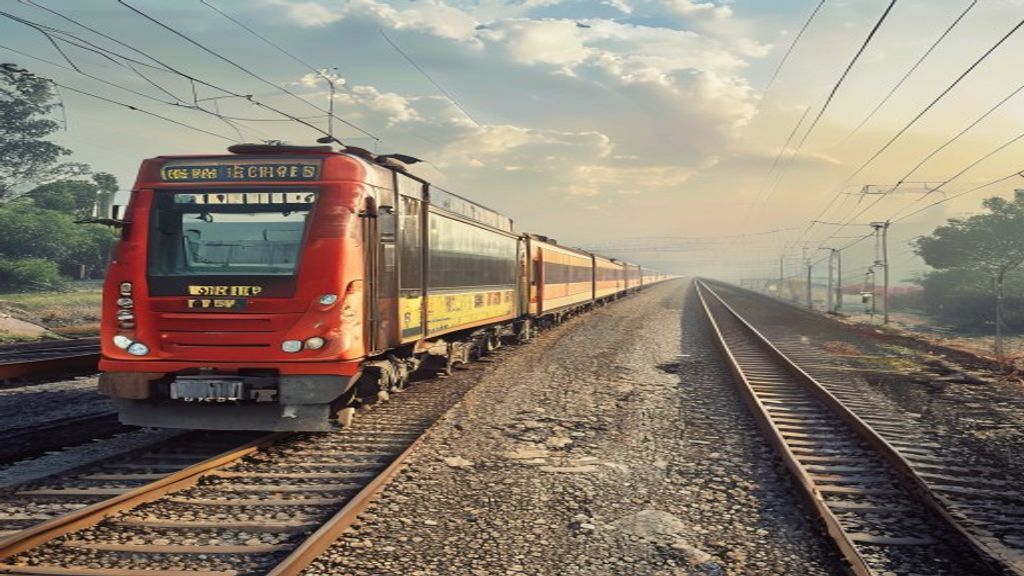
India and Nepal have embarked on a transformative journey in rail connectivity with the launch of the first direct freight train service. This milestone was marked last week when the inaugural commercial container freight train arrived in Nepal. The introduction of this direct freight train is set to significantly reduce transit times and logistics costs, enhancing trade between the two nations.
Enhancing India-Nepal Trade with Direct Freight Train
The new direct freight train service is a game-changer for India-Nepal trade relations. By facilitating seamless transportation of goods, it aims to bolster economic ties and streamline supply chains. This initiative builds on the broad-gauge rail link that was inaugurated in June 2023, which laid the groundwork for improved connectivity.
Furthermore, the operationalization of direct freight movement to Biratnagar marks a significant step forward. Businesses in both countries can now expect faster delivery times and reduced shipping expenses. This efficiency is crucial for industries relying on timely logistics, such as agriculture and manufacturing.
Key Benefits of the Direct Freight Train Service
The direct freight train service offers numerous advantages for traders and businesses. First, it simplifies the logistics process by providing a dedicated rail link between India and Nepal. This reduces the need for multiple handling points, which can lead to delays and increased costs.
In addition, the service is expected to enhance the volume of goods transported between the two countries. With the ability to move larger quantities of cargo efficiently, businesses can capitalize on economies of scale. This is particularly beneficial for exporters looking to expand their market reach.
Impact on Bilateral Trade Relations
The introduction of the direct freight train is poised to have a profound impact on bilateral trade relations. As trade barriers diminish, both nations stand to gain economically. The direct freight train will facilitate the movement of essential goods, including agricultural products, textiles, and machinery.
Moreover, this development aligns with the broader vision of regional connectivity in South Asia. By improving infrastructure and transportation links, India and Nepal can foster a more integrated economic environment. This, in turn, can attract foreign investment and boost local economies.
Future Prospects for Rail Connectivity
Looking ahead, the direct freight train service opens up possibilities for further rail connectivity projects. Both governments are likely to explore additional routes and services to enhance trade. This could include expanding the network to other key cities in Nepal, thereby increasing accessibility for businesses.
Meanwhile, the success of this initiative may encourage other countries in the region to invest in similar projects. Enhanced rail connectivity can serve as a model for improving trade relations across South Asia. As nations collaborate on infrastructure development, the potential for economic growth becomes even more promising.
Challenges and Considerations
Despite the promising outlook, challenges remain in fully realizing the benefits of the direct freight train service. Infrastructure limitations, such as the need for upgraded rail facilities, could pose hurdles. Additionally, ensuring the reliability of the service will be crucial for maintaining trust among traders.
However, both governments are committed to addressing these challenges. By investing in infrastructure improvements and ensuring efficient operations, they can maximize the potential of the direct freight train. This commitment will be vital for sustaining the momentum of enhanced trade relations.
Conclusion: A New Era of Connectivity
The launch of the direct freight train service between India and Nepal marks the beginning of a new era in connectivity and trade. With its potential to streamline logistics and reduce costs, this initiative is set to transform the economic landscape of both nations. As businesses adapt to this new mode of transport, the future of India-Nepal trade looks brighter than ever.
Source: