UK Company Backops Limited Under Scrutiny by MP Nishikant Dubey
NewsUK Company Backops Limited Under Scrutiny by MP Nishikant Dubey
BJP MP Nishikant Dubey to unveil links between UK firm and Indian politician in Parliament.
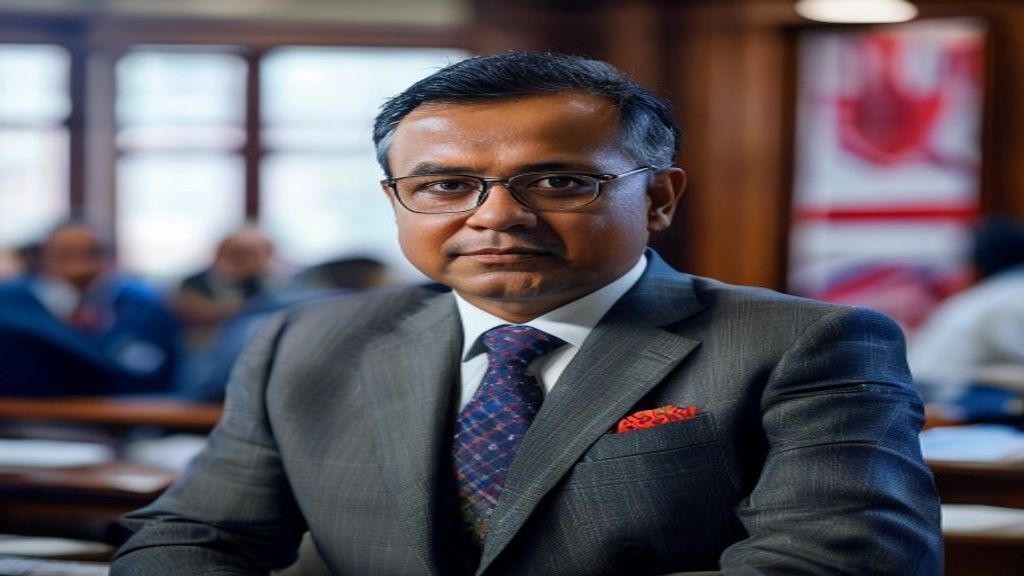
BJP MP Nishikant Dubey is set to disclose critical information regarding Backops Limited, a UK-registered company. He aims to reveal the identity of an Indian politician who serves as a director of this firm. This announcement is expected to take place in Parliament soon, raising significant questions about the connections between foreign companies and Indian political figures.
Background on Backops Limited
Backops Limited has recently come into the spotlight due to its connections with notable individuals. Nishikant Dubey has pointed out that Brian Lovegrove and Ulrik McKnight are linked to this company. Both individuals have ties to various enterprises and television channels, all registered at a single address. This raises concerns about the transparency of operations and the potential influence of foreign entities in Indian politics.
Furthermore, the implications of these connections could be far-reaching. As Dubey prepares to present his findings in Parliament, many are eager to understand the full extent of Backops Limited's operations and its ties to Indian political figures. The scrutiny surrounding this company highlights the growing demand for accountability in political affiliations and financial dealings.
The Role of Foreign Companies in Indian Politics
The involvement of foreign companies in Indian politics is a topic of increasing concern. Backops Limited's connections to an Indian politician exemplify the complexities of globalization and its impact on governance. As foreign investments continue to flow into India, the need for transparency becomes paramount.
Moreover, the potential for conflicts of interest arises when politicians engage with foreign entities. This situation prompts a broader discussion about the regulations governing such relationships. As a result, the revelations from Nishikant Dubey could spark a significant debate on the need for stricter oversight of foreign companies operating within India.
Parliamentary Procedures and Disclosure
Nishikant Dubey's planned disclosure in Parliament follows established procedures for addressing concerns about corporate governance. MPs often utilize parliamentary sessions to bring attention to issues that may affect public interest. By revealing the connections of Backops Limited, Dubey aims to hold accountable those who may be compromising the integrity of Indian politics.
In addition, this move could encourage other MPs to investigate similar cases. The transparency of political affiliations with foreign companies is crucial for maintaining public trust. As Dubey prepares to present his findings, the anticipation builds regarding the potential repercussions for the involved parties.
Public Reaction and Implications
The public reaction to Dubey's announcement is likely to be mixed. Some citizens may support the push for transparency, while others might view it as a politically motivated attack. Regardless of the perspective, the situation surrounding Backops Limited has captured public attention.
Furthermore, the implications of this disclosure could extend beyond the immediate political landscape. If significant connections are proven, it may lead to calls for reforms in how foreign companies engage with Indian politicians. This could ultimately reshape the regulatory framework governing such interactions.
The Future of Corporate Transparency in India
As the discussion around Backops Limited unfolds, it raises critical questions about the future of corporate transparency in India. The need for clear regulations governing foreign investments and political affiliations is more pressing than ever. Dubey's revelations could serve as a catalyst for change, prompting lawmakers to reevaluate existing policies.
Moreover, the potential for increased scrutiny on foreign companies may lead to a more transparent political environment. As a result, this situation could encourage greater accountability among politicians and businesses alike. The outcome of Dubey's disclosure may very well influence the trajectory of corporate governance in India for years to come.
Source: