CRPF Review Confirms SOPs Followed in NEET Protest Response
NewsCRPF Review Confirms SOPs Followed in NEET Protest Response
CRPF analysis reveals authorized use of pellet guns during protests, injuries reported
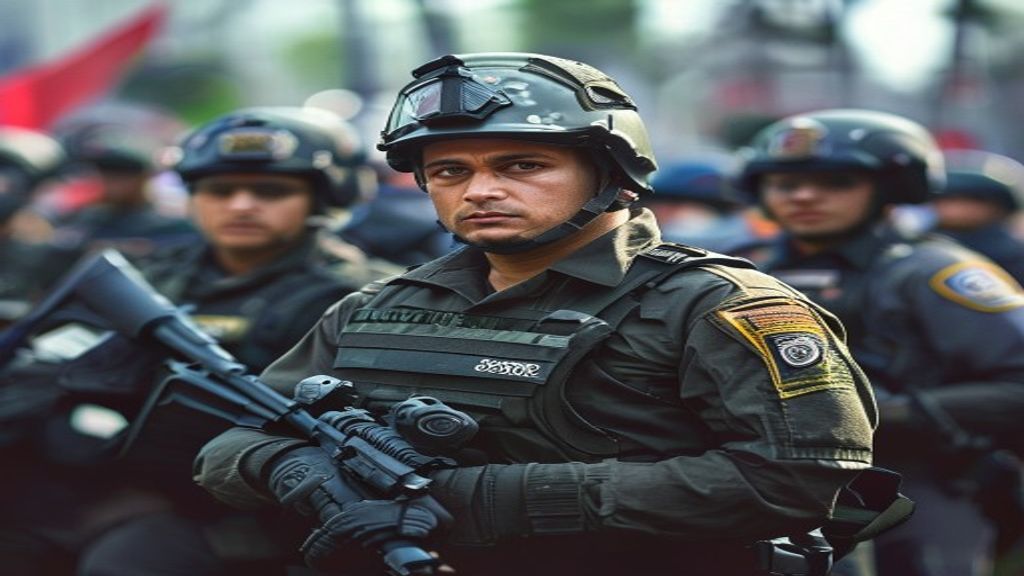
The Central Reserve Police Force (CRPF) has confirmed that the NEET protest response adhered to established standard operating procedures (SOPs). This review comes in light of the events that unfolded on July 20, where protesters clashed with law enforcement. The analysis indicates that non-lethal measures, including the use of pellet guns, were authorized for crowd control during the incident.
Understanding the NEET Protest Response
The NEET protest response involved a series of actions taken by law enforcement to manage a large crowd of demonstrators. According to the CRPF review, the force gradient was strictly followed. This means that lower levels of force were employed before resorting to more aggressive measures, such as the use of pump action pellet guns. The review highlights the importance of following protocols to ensure the safety of both protesters and law enforcement personnel.
Furthermore, the review noted that injuries were sustained by both protesters and police during the incident. This underscores the volatile nature of the protests and the challenges faced by law enforcement in maintaining order. The situation has drawn significant attention, leading to ongoing discussions about the appropriate use of force in crowd control scenarios.
The Role of Pellet Guns in Crowd Control
Pellet guns have been a controversial tool in crowd management, often sparking debates about their effectiveness and safety. The CRPF's review indicates that these non-lethal weapons were deemed necessary when initial crowd control measures failed. This decision aligns with the broader strategy of using graduated responses to manage protests effectively.
In addition, the use of pellet guns is intended to minimize fatalities while still addressing the need for law enforcement to maintain control. However, the injuries reported during the NEET protest raise questions about the balance between safety and the use of force. As a result, many are calling for a reevaluation of the protocols surrounding non-lethal weapons.
Legal Implications of the NEET Protest
The events surrounding the NEET protest are now under judicial scrutiny, as the matter is currently sub judice before the Supreme Court. This legal examination will likely focus on the appropriateness of the actions taken by law enforcement. The CRPF's adherence to SOPs will be a critical factor in the court's assessment of the situation.
Moreover, the outcome of this legal review could set important precedents for future protests. It may influence how law enforcement agencies approach crowd control, particularly in high-stakes situations like the NEET protests. The implications of this case extend beyond the immediate incident, potentially shaping policies nationwide.
Public Reaction to the NEET Protest Response
Public reaction to the NEET protest response has been mixed, with some supporting law enforcement's actions and others condemning the use of pellet guns. Many protesters argue that the response was excessive and that non-lethal measures should be reconsidered. This division reflects broader societal concerns about police conduct and the treatment of demonstrators.
Furthermore, advocacy groups are calling for increased transparency and accountability in how protests are managed. They argue that understanding the protocols followed by law enforcement is essential for public trust. As discussions continue, the CRPF's review will play a pivotal role in shaping the narrative surrounding the NEET protest response.
Future of Protest Management in India
The NEET protest response highlights the need for a comprehensive review of protest management strategies in India. As protests become more common, law enforcement agencies must adapt their approaches to ensure public safety while respecting the right to protest. The CRPF's findings may prompt a reevaluation of existing protocols and training for officers.
In addition, there is a growing call for the development of alternative crowd control methods that prioritize de-escalation. This could involve enhanced training for officers in conflict resolution and communication techniques. As a result, the future of protest management may shift towards more community-oriented approaches.
The ongoing discussions surrounding the NEET protest response will likely influence how protests are handled in the future. With legal proceedings underway and public sentiment evolving, the landscape of protest management in India is poised for significant change.
Source: