Mehbooba Mufti Apologizes for Controversial Jantar Mantar Remark
NewsMehbooba Mufti Apologizes for Controversial Jantar Mantar Remark
PDP leader claims her statement was misinterpreted, faces backlash from rivals
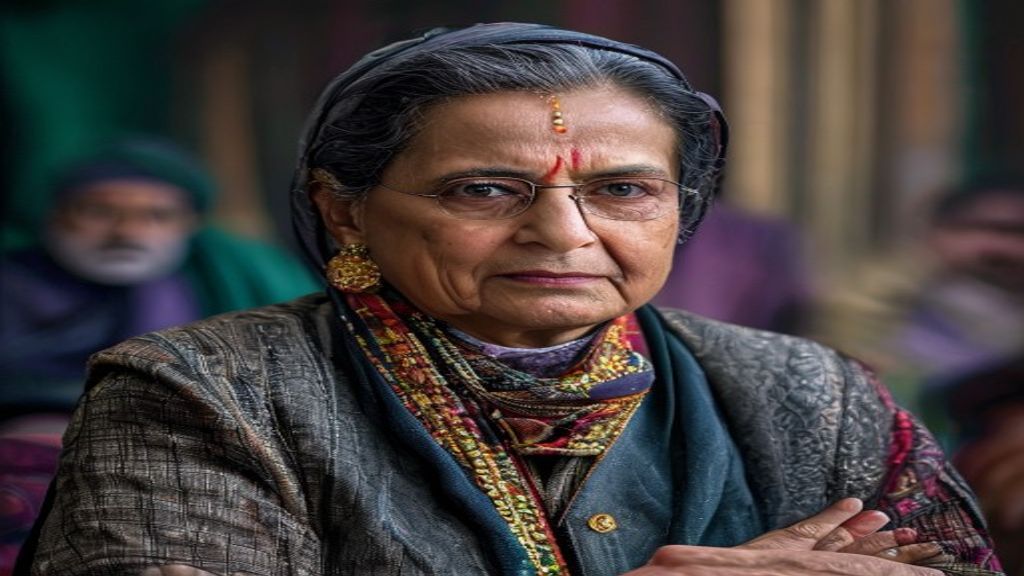
Mehbooba Mufti, the president of the People's Democratic Party (PDP), recently issued an apology regarding her controversial remark made at Jantar Mantar. The statement, which seemed to justify the use of force in Kashmir, sparked significant backlash from political opponents. Mufti clarified that her comments were a slip of the tongue and were misinterpreted by her rivals, leading to a heated political debate.
The incident occurred during a public gathering where Mufti addressed various issues concerning Kashmir. Her remarks quickly drew criticism, prompting her to clarify her stance. The PDP leader emphasized that her words were taken out of context, asserting that she did not intend to endorse violence in any form. This situation highlights the sensitive nature of political discourse in the region.
Political Reactions to Mehbooba Mufti's Apology
Political reactions to Mehbooba Mufti's apology have been swift and varied. The National Conference (NC), a governing party in the region, rejected her clarification outright. They demanded a more definitive response from Mufti regarding her comments. Furthermore, the NC criticized her for her previous alliance with the Bharatiya Janata Party (BJP), suggesting that her political decisions have contributed to the current turmoil.
In addition, several political analysts weighed in on the situation. They noted that such remarks can have far-reaching implications in a region already fraught with tension. The backlash against Mufti's comments underscores the precarious balance that political leaders must maintain when discussing sensitive issues like Kashmir.
The Context of the Jantar Mantar Statement
Understanding the context of Mehbooba Mufti's Jantar Mantar statement is crucial. The gathering was intended to address pressing issues facing the people of Kashmir. However, her comments inadvertently shifted the focus from the intended message to a debate about violence and governance. This misstep has reignited discussions about the role of political leaders in conflict zones.
Moreover, the political landscape in Kashmir is complex. Leaders often navigate a minefield of public sentiment, historical grievances, and external pressures. Mufti's slip of the tongue serves as a reminder of the challenges faced by politicians in articulating their positions without inciting further discord.
Implications for the PDP and Future Political Strategies
The implications of Mehbooba Mufti's apology extend beyond her personal accountability. The PDP faces significant challenges in maintaining its political relevance amid growing criticism. As a result, party strategists may need to reassess their communication strategies to avoid similar pitfalls in the future.
Furthermore, the backlash could affect the party's standing with its voter base. Many constituents expect clear and decisive leadership, especially on sensitive issues like Kashmir. The PDP must work diligently to rebuild trust and demonstrate a commitment to addressing the concerns of the people.
Public Sentiment and Media Coverage
Public sentiment regarding Mehbooba Mufti's apology is mixed. While some supporters appreciate her willingness to clarify her remarks, others feel that her initial statement reflects deeper issues within the party. Media coverage has amplified these sentiments, with various outlets analyzing the potential impact of her comments on the political landscape.
In addition, social media platforms have become a battleground for opinions on the matter. Many users have expressed their views, ranging from support for Mufti to calls for accountability. This dynamic illustrates the power of public discourse in shaping political narratives.
The Role of Political Accountability in Kashmir
The situation surrounding Mehbooba Mufti's apology raises important questions about political accountability in Kashmir. Leaders are often held to high standards, especially when discussing contentious issues. As a result, the need for transparent communication becomes paramount.
Moreover, political accountability can foster trust between leaders and constituents. When politicians acknowledge their mistakes, it can lead to a more engaged and informed electorate. This incident serves as a critical reminder of the importance of responsible leadership in a region marked by conflict and division.
Source: