Rahul Gandhi Critiques Modi Government Over Ken-Betwa Protests
NewsRahul Gandhi Critiques Modi Government Over Ken-Betwa Protests
Rahul Gandhi condemns police action against peaceful tribal protests in Madhya Pradesh.
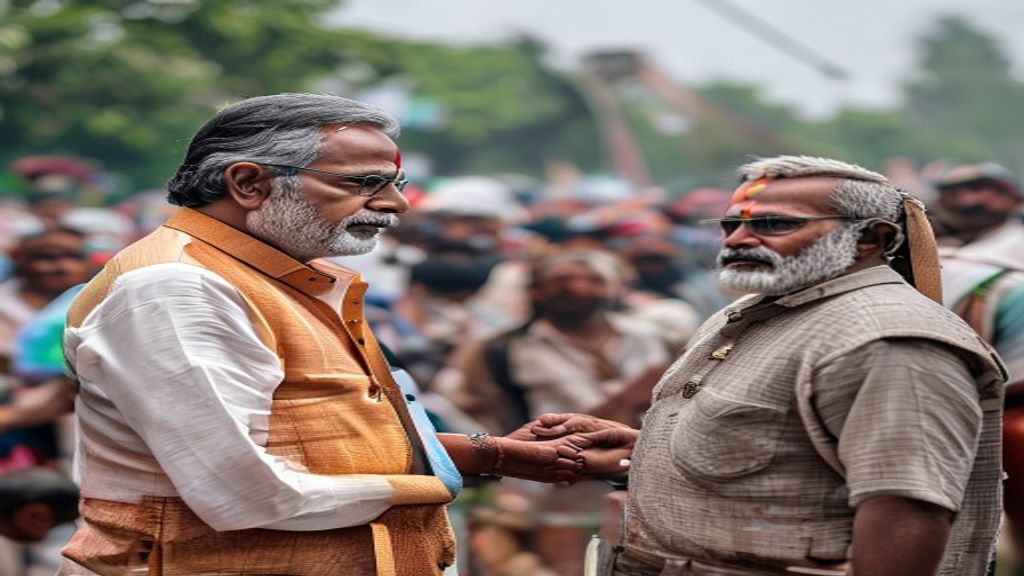
Rahul Gandhi has openly criticized the Modi government for its fear of truth and non-violent resistance during the recent Ken-Betwa protests in Madhya Pradesh. The protests, led by tribal communities, aimed to secure fair compensation and dignified rehabilitation for their land affected by the controversial river project. After fifteen days of peaceful demonstrations, police intervened, dispersing the protesters and raising concerns about the government's approach to dissent.
Background on the Ken-Betwa River Project
The Ken-Betwa river project is a significant initiative aimed at providing irrigation and drinking water to various regions in Madhya Pradesh. However, it has faced backlash from local tribal communities who argue that the project threatens their livelihoods and displaces them from their ancestral lands. The protests have highlighted the ongoing struggle for land rights and environmental justice in India.
Furthermore, the tribal communities have expressed their desire for a transparent dialogue with the government. They seek assurances that their rights will be respected and that they will receive adequate compensation for the land they will lose. The Ken-Betwa protests have thus become a focal point for discussions on tribal rights and environmental sustainability.
Rahul Gandhi's Response to the Crackdown
Rahul Gandhi's remarks come in the wake of the police's heavy-handed response to the peaceful protests. He stated that the Modi government’s actions reflect a deep-seated fear of truth and non-violent resistance. Gandhi emphasized that the government must listen to the voices of the marginalized instead of silencing them through force.
In addition, he reiterated the Congress party's commitment to standing with the tribal communities. The party has vowed to fight for justice and ensure that the affected individuals receive the support they need. Gandhi's statements resonate with a broader call for accountability and respect for democratic rights in India.
Impact of Police Action on Tribal Communities
The police action against the Ken-Betwa protests has raised significant concerns about the treatment of tribal communities in India. Many activists argue that such crackdowns undermine the fundamental rights of citizens to peacefully assemble and express their grievances. The use of force against peaceful protesters has sparked outrage and calls for reform in how the government handles dissent.
Moreover, the impact of these protests extends beyond immediate concerns. The tribal communities involved are now more united in their fight for justice. As a result, the Ken-Betwa protests have become a symbol of resistance against governmental oppression and a rallying point for other marginalized groups across the country.
The Role of the Congress Party
The Congress party has positioned itself as a champion for the rights of the tribal communities affected by the Ken-Betwa project. By pledging to support the protesters, the party aims to regain its footing in Madhya Pradesh, where it has faced challenges in recent elections. The party's involvement in the Ken-Betwa protests could galvanize support from voters who prioritize social justice and environmental issues.
Furthermore, the Congress party's stance highlights the importance of political accountability. By advocating for the rights of the tribal communities, the party seeks to hold the Modi government accountable for its actions. This political dynamic could influence future discussions on development projects and their impact on vulnerable populations.
Future of the Ken-Betwa Project
The future of the Ken-Betwa project remains uncertain as tensions between the government and tribal communities escalate. Ongoing protests may lead to delays in the project’s implementation, prompting the government to reconsider its approach. Stakeholders are now calling for a more inclusive dialogue that prioritizes the rights and voices of the affected communities.
In addition, environmental assessments and impact studies are becoming increasingly important in the discourse surrounding the project. The Ken-Betwa protests have underscored the need for sustainable development practices that do not compromise the rights of local populations. As the situation evolves, it will be crucial for the government to address these concerns to foster trust and cooperation.
Broader Implications for Dissent in India
The events surrounding the Ken-Betwa protests reflect a larger trend regarding dissent in India. The government's response to peaceful protests raises questions about the state of democracy and civil liberties in the country. Activists and political leaders alike are calling for a reassessment of how dissent is treated, advocating for a more democratic approach that respects the rights of all citizens.
Moreover, the Ken-Betwa protests serve as a reminder of the power of grassroots movements. As communities unite to voice their concerns, they challenge the status quo and demand accountability from their leaders. This growing awareness and activism could lead to significant changes in how development projects are planned and executed in the future.
Source: