TMC’s Abhishek Banerjee Urges Quick Action on Rebel MPs’ Disqual
NewsTMC's Abhishek Banerjee Urges Quick Action on Rebel MPs' Disqualification
TMC leader Abhishek Banerjee meets with Lok Sabha Speaker to expedite decisions on rebel MPs' status.
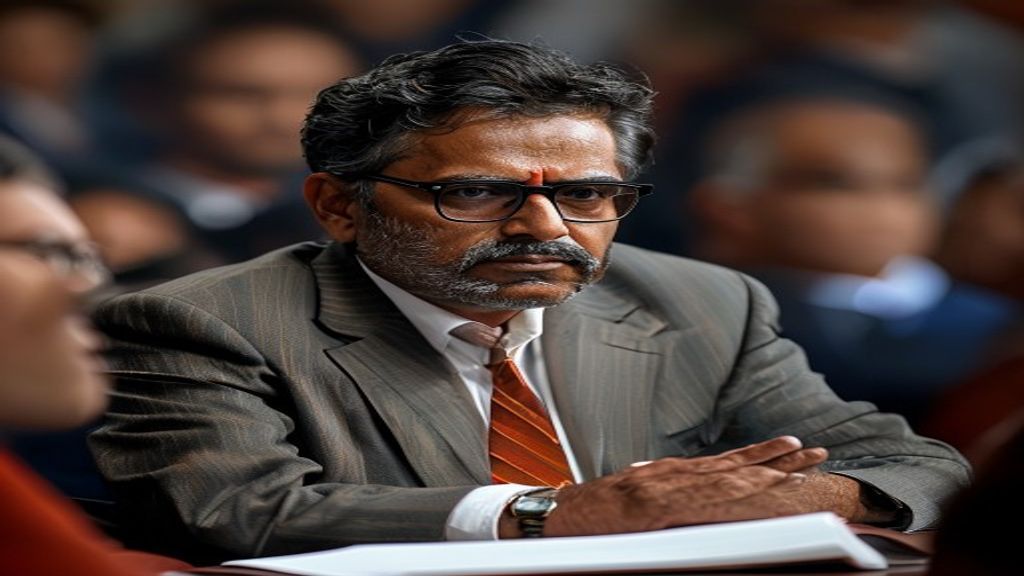
TMC leader Abhishek Banerjee recently met with Lok Sabha Speaker Om Birla to discuss the pressing issue of the disqualification of rebel MPs. This meeting took place in New Delhi, where Banerjee urged the Speaker to expedite the decision-making process regarding the disqualification petitions of twenty rebel Members of Parliament. The urgency of this matter stems from the ongoing political tensions within the party and the need for clarity on the status of these MPs.
During the meeting, Banerjee also raised concerns about the seating arrangements for TMC's elected members in the Lok Sabha. He emphasized that the current situation is affecting the party's representation and functioning in the Parliament. However, reports indicate that Speaker Om Birla did not provide a definitive response to the issues raised by Banerjee. This lack of clarity has left many within the TMC anxious about the future of their party's parliamentary presence.
Background on the Disqualification of Rebel MPs
The disqualification of rebel MPs has become a significant topic in Indian politics, particularly for the TMC. These MPs have been accused of defying party directives and aligning with opposition parties. As a result, the TMC has filed petitions seeking their disqualification, arguing that their actions undermine the party's integrity. The Speaker's role in this process is crucial, as he holds the authority to make decisions on such petitions.
Furthermore, the political landscape in India is highly dynamic, and the outcome of these disqualification petitions could have far-reaching implications for the TMC. If the Speaker rules in favor of disqualification, it could strengthen the party's position in the Lok Sabha. Conversely, if the rebel MPs remain, it may lead to further fragmentation within the party.
Importance of Timely Decisions
Timely decisions on the disqualification of rebel MPs are essential for maintaining political stability. Delays in resolving these petitions can lead to uncertainty and unrest within the party ranks. Banerjee's meeting with Speaker Birla highlights the urgency of the situation. He stressed that a swift resolution is necessary to restore confidence among party members and supporters.
In addition, the TMC's ability to function effectively in Parliament hinges on the clarity of its membership. The longer the disqualification process drags on, the more challenging it becomes for the party to strategize and present a united front. Therefore, Banerjee's call for expedited decisions is not just a plea for action; it is a strategic move to ensure the party's continued relevance in the political arena.
Political Repercussions of Disqualification
The potential disqualification of rebel MPs could lead to significant political repercussions for the TMC. If the Speaker decides to disqualify these MPs, it may embolden the party's leadership and reinforce its authority. This could also deter other members from defying party lines in the future. Conversely, if the rebel MPs are allowed to remain, it may encourage dissent and weaken the party's cohesion.
Moreover, the outcome of these disqualification petitions could influence the TMC's relationships with other political parties. A strong stance against dissenters may attract support from allies who value party discipline. On the other hand, a failure to act decisively could alienate potential partners and undermine the TMC's bargaining power in future political negotiations.
The Role of the Lok Sabha Speaker
The Lok Sabha Speaker plays a pivotal role in the disqualification process of rebel MPs. As the presiding officer of the House, the Speaker is responsible for ensuring that parliamentary procedures are followed. This includes reviewing disqualification petitions and making impartial decisions based on the merits of each case. Banerjee's meeting with Speaker Birla underscores the importance of this role in maintaining the integrity of the Lok Sabha.
Furthermore, the Speaker's decisions can set precedents for future cases of disqualification. A transparent and fair process is essential for upholding the democratic principles of the Parliament. As such, the TMC is keenly interested in how the Speaker will navigate this complex issue.
Future Implications for TMC
The future of the TMC may hinge on the outcome of the disqualification of rebel MPs. A favorable decision could solidify the party's standing in the Lok Sabha and enhance its ability to govern effectively. Conversely, a prolonged dispute could lead to further divisions within the party and diminish its influence in national politics.
As the political landscape continues to evolve, the TMC must remain vigilant and proactive in addressing internal challenges. The disqualification of rebel MPs is just one aspect of a broader strategy to maintain party unity and effectiveness. Banerjee's efforts to engage with the Speaker reflect a commitment to navigating these challenges head-on, ensuring that the TMC remains a formidable force in Indian politics.
Source: