Supreme Court to Review Anti-Defection Law Interpretation Issues
NewsSupreme Court to Review Anti-Defection Law Interpretation Issues
Legal challenge could reshape political party mergers in India
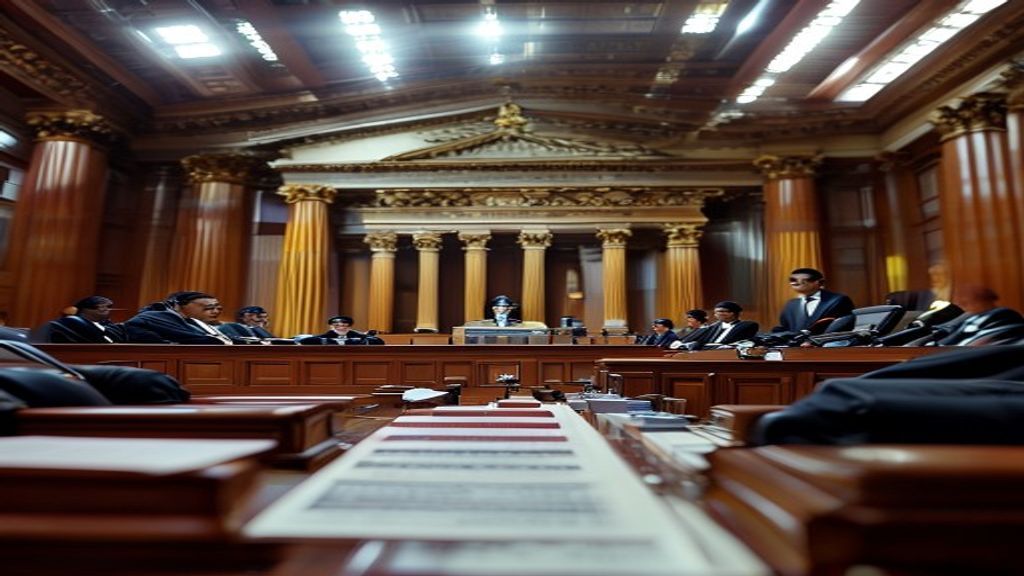
The Supreme Court of India is set to examine the interpretation of the anti-defection law, particularly regarding political party mergers. This significant legal review comes after Kapil Sibal raised concerns that electoral outcomes could be influenced by merger provisions. The court has recognized critical issues surrounding the Tenth Schedule's implementation and has issued a notice to the Centre for its response. This legal challenge could have far-reaching implications for the political landscape in India.
Understanding the Anti-Defection Law
The anti-defection law was enacted to prevent political instability caused by frequent party switching among elected representatives. It aims to maintain the integrity of political parties and ensure that elected officials remain accountable to their constituents. However, the law's application has faced scrutiny, especially in cases involving party mergers. The Supreme Court's upcoming review will delve into how these mergers interact with the existing legal framework.
Furthermore, the Tenth Schedule of the Constitution outlines the provisions for disqualification of members on grounds of defection. Critics argue that the current interpretation allows for loopholes that can be exploited by political parties. As a result, the Supreme Court's examination could clarify these ambiguities and potentially reshape the future of political alliances in India.
Implications of the Supreme Court's Review
The implications of the Supreme Court's review of the anti-defection law are profound. If the court rules in favor of stricter interpretations, it could limit the ability of political parties to merge freely. This would directly impact how parties strategize during elections and form coalitions. Political analysts suggest that a more stringent interpretation could lead to increased stability within parties, as members would be less likely to switch allegiances.
In addition, the ruling could influence voter perceptions and trust in political parties. If voters believe that their representatives are committed to their parties, it may enhance electoral participation. Conversely, if the court allows for more lenient interpretations, it could lead to further instability and disillusionment among the electorate.
The Role of Political Parties in Mergers
Political parties play a crucial role in the democratic process, and their ability to merge can significantly affect governance. Mergers often arise from the need for parties to consolidate power, especially in a fragmented political landscape. However, the anti-defection law complicates these mergers, as it can lead to disqualification of members who switch parties.
Moreover, the Supreme Court's interpretation of the anti-defection law could redefine how parties approach mergers. If the court emphasizes the need for transparency and accountability, parties may need to adopt more rigorous internal processes. This could foster a culture of responsibility and integrity within political organizations.
Legal Precedents and Historical Context
The Supreme Court's decision will also be informed by historical precedents regarding the anti-defection law. Previous rulings have shaped the understanding of what constitutes defection and the legal ramifications for elected officials. The court's interpretation of these precedents will be critical in determining the future of political party mergers.
Additionally, the historical context of the anti-defection law reveals ongoing tensions between political stability and democratic representation. As political dynamics evolve, the court's ruling may need to balance these competing interests. This balance will be essential for maintaining a healthy democratic process in India.
Public Reaction and Political Responses
Public reaction to the Supreme Court's review of the anti-defection law has been mixed. Some citizens express hope that a stricter interpretation will lead to greater accountability among politicians. Others fear that limiting party mergers could stifle political innovation and collaboration.
Political leaders are also weighing in on the matter. Some support a more stringent interpretation, believing it will enhance party loyalty. Others argue that flexibility in the law is necessary to adapt to changing political circumstances. As the Supreme Court prepares to hear this pivotal case, the discourse surrounding the anti-defection law continues to evolve.
Next Steps in the Legal Process
As the Supreme Court prepares to hear arguments regarding the anti-defection law, legal experts are closely monitoring the situation. The court's decision will set a significant precedent for future cases involving political party mergers. Furthermore, the Centre's response to the court's notice will be crucial in shaping the arguments presented.
In addition, stakeholders from various political parties are likely to engage in discussions about potential reforms to the anti-defection law. These conversations could lead to legislative changes that align with the court's ruling, further impacting the political landscape in India. The outcome of this legal challenge will undoubtedly resonate throughout the country's political framework for years to come.
Source: