Childcare and Housework Keep 69% of Urban Women Out of Work
NewsChildcare and Housework Keep 69% of Urban Women Out of Work
National Statistics Office reveals childcare duties hinder women's employment in major cities across India.
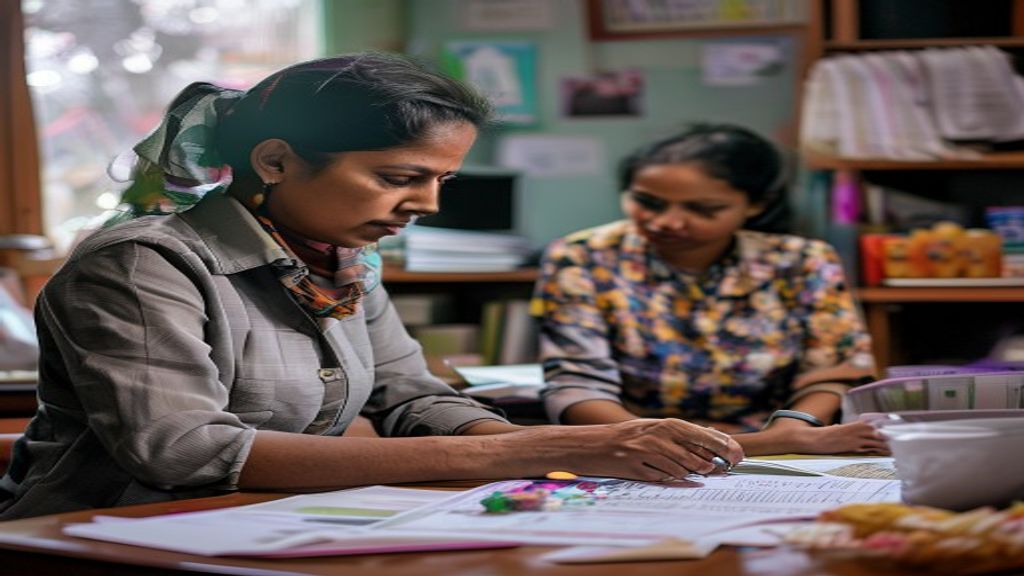
A recent survey by the National Statistics Office (NSO) highlights a significant issue affecting urban women workforce participation in India. The study reveals that nearly 69% of women in the country's largest cities are sidelined from the job market due to childcare and household responsibilities. This finding underscores the ongoing gender bias in caregiving roles, which continues to impact women's economic opportunities.
Furthermore, the survey indicates that women in urban areas earn 23% less than their male counterparts. Despite this wage gap, the quality of employment for women in these cities shows improvement compared to their peers in smaller towns. This disparity in urban women workforce participation raises important questions about the barriers they face in achieving economic equality.
Impact of Childcare on Urban Women Workforce Participation
Childcare responsibilities significantly influence urban women workforce participation rates. Many women find themselves balancing the demands of work and family, often leading to difficult choices. As a result, a large number of women opt to stay home, prioritizing their roles as caregivers over pursuing careers.
In addition, the lack of affordable childcare options exacerbates this issue. Many urban centers struggle to provide adequate support for working mothers. Consequently, women are left with limited choices, which further entrenches traditional gender roles within households.
Gender Wage Gap in Urban Employment
The gender wage gap remains a critical factor affecting urban women workforce participation. Women earn 23% less than men in major cities, which discourages many from entering or remaining in the workforce. This wage disparity not only affects individual women but also has broader implications for economic growth and gender equality.
Moreover, the NSO survey indicates that while the quality of employment for women has improved, significant challenges remain. Women often occupy lower-paying jobs or part-time positions, which limits their financial independence and career advancement opportunities.
Variations in Female Labor Participation Across Cities
The NSO survey also highlights notable variations in female labor participation across different urban centers. Some cities exhibit higher rates of women in the workforce, while others lag behind. Factors such as local economic conditions, cultural attitudes, and availability of support services play a crucial role in these disparities.
For instance, cities with robust support systems for working mothers tend to have higher participation rates. Conversely, areas lacking such resources often see more women sidelined from employment due to domestic responsibilities. This variation underscores the need for targeted policies to support urban women in the workforce.
The Role of Policy in Supporting Urban Women
Addressing the challenges faced by urban women in the workforce requires comprehensive policy interventions. Governments and organizations must prioritize initiatives that provide affordable childcare and promote gender equality in the workplace.
Furthermore, creating awareness about the importance of shared caregiving responsibilities can help shift cultural perceptions. Encouraging men to take on more household duties can alleviate the burden on women, thereby enhancing their workforce participation.
Future Outlook for Urban Women in the Workforce
Looking ahead, the future of urban women workforce participation hinges on systemic changes. As more cities recognize the importance of supporting working mothers, we may see an increase in female employment rates.
In addition, ongoing efforts to close the gender wage gap will be crucial. By addressing these issues, urban women can gain better access to economic opportunities, ultimately leading to a more equitable society. The NSO survey serves as a vital reminder of the work that remains to be done in achieving gender parity in the workforce.
Source: News Feed

