15 Fertilizer Ships Depart Hormuz, Boosting India’s Supply for Fa
News15 Fertilizer Ships Depart Hormuz, Boosting India's Supply for Farmers
Relief for farmers as 15 out of 20 ships navigate Hormuz Strait, ensuring ample fertilizer supply.
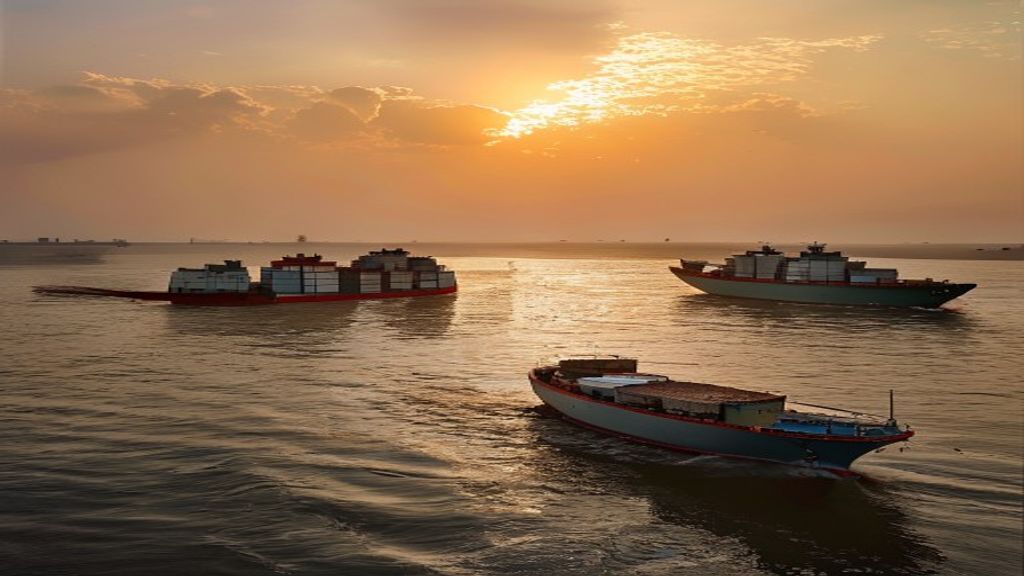
India's fertilizer supply is set to receive a significant boost as 15 out of 20 ships carrying essential cargo have successfully navigated the Strait of Hormuz. This development comes at a crucial time, as the country has exceeded domestic urea production targets for three consecutive months. The timely arrival of these shipments ensures that farmers will have ample fertilizer supply during the vital kharif season.
The successful navigation of these ships highlights the government's proactive measures to secure alternative routes for fertilizer imports. With the kharif season approaching, the availability of fertilizer is critical for farmers across India. The government's efforts to foster international partnerships have also played a key role in strengthening the nation's fertilizer supply chain.
Importance of Fertilizer Supply in India
Fertilizer supply is essential for enhancing agricultural productivity in India. The kharif season, which typically runs from June to September, is a critical period for farmers as they sow crops such as rice, maize, and pulses. Adequate fertilizer availability directly impacts crop yields and, consequently, food security in the country.
Furthermore, the Indian government has been focusing on increasing domestic urea production. This strategy aims to reduce dependency on imports and ensure that farmers have access to the necessary nutrients for their crops. As a result, the combination of increased domestic production and the arrival of ships from Hormuz is expected to significantly bolster fertilizer supply in the coming months.
Government Initiatives to Enhance Fertilizer Availability
The Indian government has implemented several initiatives to enhance fertilizer availability for farmers. One of the key strategies has been securing alternative routes for importing fertilizer. By diversifying supply sources, the government aims to mitigate risks associated with geopolitical tensions that may disrupt shipping lanes.
In addition, the government has been actively engaging in international partnerships to ensure a steady flow of fertilizer imports. These partnerships not only provide access to essential nutrients but also foster collaboration in agricultural technology and practices. As a result, farmers can benefit from improved farming techniques alongside increased fertilizer supply.
Challenges in the Fertilizer Supply Chain
Despite the recent successes in securing fertilizer shipments, challenges remain in the supply chain. The global fertilizer market is influenced by various factors, including fluctuating prices and international trade policies. These factors can impact the cost and availability of fertilizers in India.
Moreover, logistical issues such as transportation and distribution can also pose challenges. Ensuring that fertilizers reach farmers in a timely manner is crucial for maximizing their effectiveness during the planting season. The government continues to address these challenges through strategic planning and investment in infrastructure.
Impact on Farmers and Agricultural Productivity
The arrival of fertilizer shipments from Hormuz is expected to have a positive impact on farmers and agricultural productivity. With ample fertilizer supply, farmers can optimize their crop yields, leading to increased income and food production. This is particularly important as India strives to achieve self-sufficiency in food production.
Additionally, the timely availability of fertilizers can help farmers adopt better agricultural practices. With the right nutrients, crops can grow healthier and more resilient to pests and diseases. This not only benefits individual farmers but also contributes to the overall stability of the agricultural sector in India.
Future Outlook for Fertilizer Supply in India
Looking ahead, the outlook for fertilizer supply in India appears promising. The successful navigation of ships through the Strait of Hormuz is a positive sign for future imports. Furthermore, the government's commitment to enhancing domestic production will play a crucial role in ensuring a stable supply for farmers.
As the kharif season approaches, farmers can expect to have access to the necessary fertilizers to support their crops. The combination of increased domestic production and international shipments positions India well to meet the agricultural demands of its population. With continued government support and strategic initiatives, the fertilizer supply chain is likely to strengthen further in the coming years.
Source: News Feed

