TMC Internal Power Struggle: Rebel Faction Takes Control of HQ
NewsTMC Internal Power Struggle: Rebel Faction Takes Control of HQ
TMC leader Dilip Ghosh addresses the rebel faction's takeover of party headquarters in Kolkata.
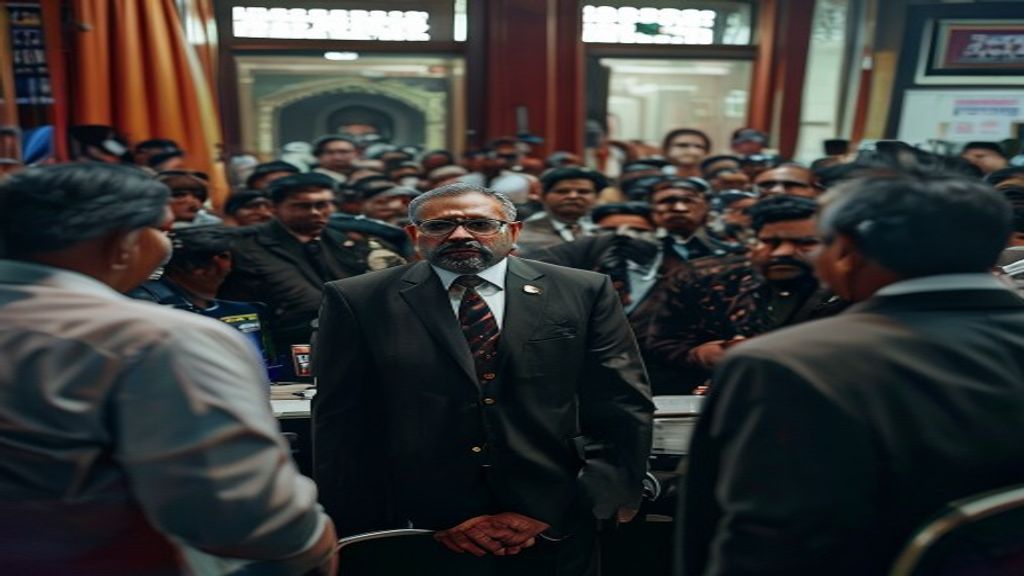
A rebel faction of the Trinamool Congress (TMC), led by Ritabrata Banerjee, has taken control of the party's headquarters in Kolkata. This bold move has intensified the ongoing TMC internal power struggle, raising questions about leadership and authority within the party. West Bengal minister Dilip Ghosh has labeled the situation as an internal matter, emphasizing that the Speaker and legal frameworks will ultimately determine office and seat occupancy.
The Election Commission has set a deadline of July 6 for both factions to submit their claims regarding the leadership and control of the party. Meanwhile, police are investigating the ownership of the building, adding another layer of complexity to this unfolding drama. The TMC internal power struggle highlights the challenges faced by political parties in maintaining unity amid dissent.
Background of the TMC Internal Power Struggle
The Trinamool Congress has been a dominant force in West Bengal politics, but internal conflicts have surfaced in recent months. The TMC internal power struggle has roots in differing ideologies and ambitions among party members. As factions vie for control, the party's unity is at stake, prompting leaders like Dilip Ghosh to address the situation publicly.
Furthermore, the rebel faction's actions have raised concerns about the party's future. The leadership crisis could impact the TMC's performance in upcoming elections. Political analysts suggest that the party must resolve these internal disputes swiftly to maintain its influence in West Bengal.
Key Players in the TMC Internal Power Struggle
Ritabrata Banerjee, the leader of the rebel faction, has emerged as a significant figure in this TMC internal power struggle. His actions reflect a growing discontent among party members who feel sidelined. Banerjee's faction claims to represent the voices of those who seek change within the party.
On the other hand, Dilip Ghosh remains a prominent voice for the established leadership. His insistence on treating the situation as an internal matter indicates a desire to maintain control and minimize public fallout. The contrasting approaches of these leaders illustrate the deep divisions within the TMC.
Implications for the TMC and West Bengal Politics
The TMC internal power struggle could have far-reaching implications for West Bengal politics. As factions clash, the party risks losing its grip on power if it fails to address internal dissent. Political stability is crucial for governance, and ongoing conflicts may hinder effective decision-making.
In addition, the Election Commission's involvement adds a layer of urgency to the situation. With a deadline looming, both factions must present their claims convincingly. The outcome of this power struggle could reshape the political landscape in West Bengal, affecting not only the TMC but also rival parties.
Legal and Procedural Aspects of the TMC Conflict
The legal ramifications of the TMC internal power struggle are significant. The Speaker's role in determining office and seat occupancy will be crucial in resolving the conflict. Legal experts suggest that the outcome will depend on the interpretation of party rules and regulations.
Moreover, the police investigation into the building's ownership may complicate matters further. If ownership disputes arise, they could lead to legal challenges that distract from the core issues at hand. The TMC must navigate these legal waters carefully to avoid further destabilization.
Future Prospects for the TMC
Looking ahead, the TMC faces a critical juncture in its history. The internal power struggle presents both challenges and opportunities for the party. If leaders can reconcile their differences, they may emerge stronger and more unified.
However, failure to address the dissent could lead to a fragmentation of the party. As the TMC internal power struggle unfolds, the eyes of West Bengal and the nation will be on how the party navigates this turbulent period. The resolution of this conflict will likely influence the TMC's strategy in upcoming elections and its overall political trajectory.
Source: