Sonam Wangchuk’s Hunger Strike: Health Update on Day 7
NewsSonam Wangchuk's Hunger Strike: Health Update on Day 7
As Sonam Wangchuk's hunger strike continues, health concerns rise amid growing public support for his cause.
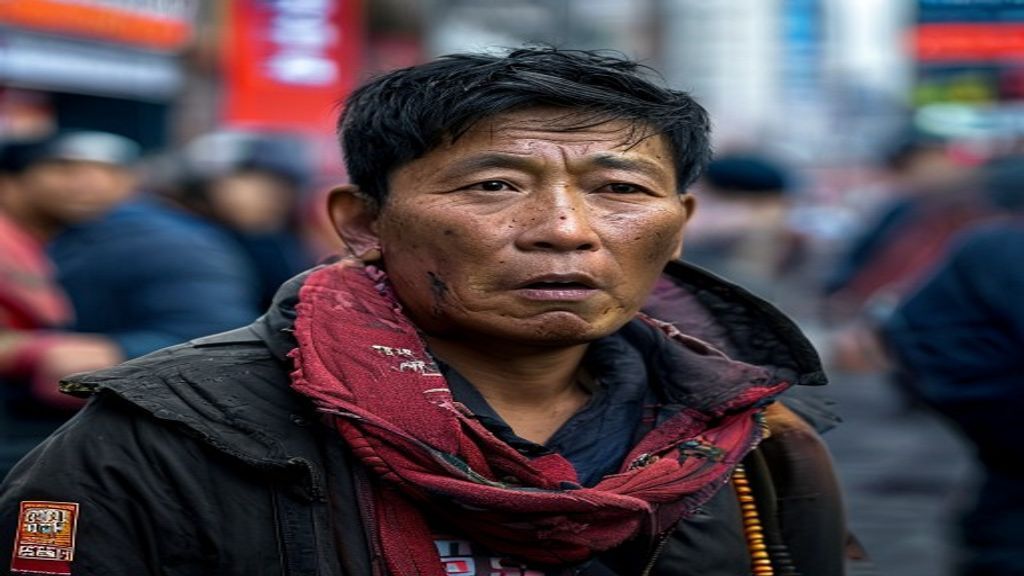
Sonam Wangchuk, a prominent activist, is currently on his seventh day of a hunger strike demanding the resignation of Education Minister Dharmendra Pradhan. During this period, he has lost over 5 kilograms, and his blood pressure and sugar levels have significantly dropped. This Sonam Wangchuk hunger strike, which began due to concerns over NEET irregularities, has attracted widespread attention and support from various political and civil society groups.
Health Concerns During the Hunger Strike
As the days progress, health concerns surrounding Sonam Wangchuk's condition are becoming increasingly urgent. Losing over 5 kilograms in just a week can lead to serious health complications. Furthermore, his declining blood pressure and sugar levels raise alarms about his overall well-being. Activists and supporters are urging the government to address his demands promptly to prevent any further deterioration of his health.
In addition, the public is closely monitoring Wangchuk's situation. Many are worried that prolonged fasting could lead to irreversible health issues. As a result, there is a growing call for immediate dialogue between Wangchuk and government officials. This dialogue could potentially resolve the issues he is protesting against and ensure his safety.
The Reasons Behind the Protest
The Sonam Wangchuk hunger strike stems from serious concerns regarding NEET irregularities. Many students and parents believe that the current system is flawed and unfair. Wangchuk is advocating for reforms that would ensure transparency and equity in the education system. His protest highlights the need for systemic changes that can benefit future generations of students.
Moreover, the NEET examination has faced criticism for its impact on students' mental health and academic performance. Wangchuk's hunger strike aims to bring these issues to the forefront of public discourse. By doing so, he hopes to encourage a more equitable educational environment for all students.
Public Support and Political Reactions
Public support for Sonam Wangchuk's hunger strike has been significant. Activists, students, and various political figures have rallied around his cause. Abhijeet Dipke, a member of the Cockroach Janata Party, has been vocal in urging the government to take action. His calls for public support at Jantar Mantar have resonated with many who share Wangchuk's concerns.
Furthermore, the protest has sparked discussions about the broader implications of educational policies in India. Many are questioning the effectiveness of current systems and advocating for reforms that prioritize student welfare. This growing movement reflects a collective desire for change within the education sector.
The Role of Social Media in the Protest
Social media has played a crucial role in amplifying the message of Sonam Wangchuk's hunger strike. Supporters are using various platforms to share updates and raise awareness about the issues at stake. This digital activism has helped mobilize a larger audience, encouraging more people to join the cause.
In addition, hashtags related to the protest have gained traction, making it easier for individuals to find information and express their support. As a result, the movement has gained momentum, with more voices joining the call for reform in the education system. Social media's influence cannot be underestimated in this context, as it continues to shape public opinion and drive engagement.
Potential Outcomes of the Hunger Strike
The outcome of Sonam Wangchuk's hunger strike remains uncertain. However, the pressure on the government to respond is mounting. If his demands are met, it could lead to significant changes in educational policies. This could benefit countless students who have been affected by the current system.
Conversely, if the government fails to act, there may be serious consequences for Wangchuk's health. Prolonged fasting can lead to severe medical issues, which could further escalate public outrage. Therefore, it is imperative for officials to engage in meaningful dialogue with Wangchuk to address his concerns effectively.
The Importance of Dialogue and Reform
Ultimately, the Sonam Wangchuk hunger strike underscores the importance of dialogue in addressing educational issues. Open communication between activists and government officials can lead to constructive solutions. Furthermore, it can foster a sense of trust and collaboration between the two parties.
In addition, reforming the education system is crucial for the future of students in India. By addressing the concerns raised by Wangchuk and his supporters, the government can take significant steps toward creating a more equitable and transparent educational environment. This hunger strike serves as a reminder of the power of activism and the need for systemic change.
Source: