Supreme Court Allows Police to Use Pellet Guns in Violent Protests
NewsSupreme Court Allows Police to Use Pellet Guns in Violent Protests
Supreme Court ruling permits police to use pellet guns during extreme violence in protests.
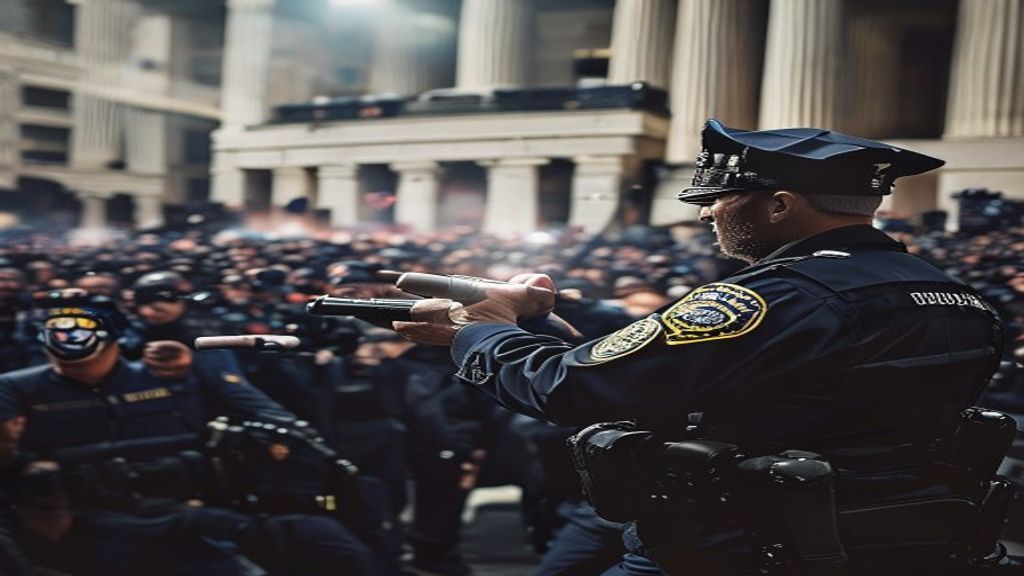
The Supreme Court has ruled that police can use pellet guns in exceptional situations, particularly during violent protests. This decision comes in response to concerns about maintaining public order when traditional methods, such as lathicharge and tear gas, fail to control escalating violence. The ruling highlights the need for law enforcement to have effective tools at their disposal to manage extreme situations.
Supreme Court's Rationale for Using Police Pellet Guns
The Supreme Court emphasized that police must have the authority to use appropriate force during violent protests. When protests turn violent due to the actions of miscreants, law enforcement needs to respond effectively. The court noted that if police can use bullets in extreme circumstances, it stands to reason that they should also be allowed to use pellet guns as a less lethal option.
Furthermore, the court's ruling reflects a growing recognition of the challenges faced by police in maintaining order during protests. As protests can quickly escalate, having access to non-lethal options like pellet guns can help prevent further violence. This decision aims to strike a balance between public safety and the rights of individuals to protest.
Implications of the Ruling on Police Tactics
The ruling on police pellet guns will likely change how law enforcement approaches crowd control. With the ability to use pellet guns, police can adopt a more measured response to violent protests. This change may lead to fewer injuries among both officers and protesters, as pellet guns are designed to incapacitate rather than kill.
In addition, the decision may encourage police departments to invest in training and equipment related to the use of pellet guns. Proper training will be essential to ensure that officers use these weapons responsibly and effectively. As a result, police can better manage violent situations while minimizing harm to all involved.
Public Reaction to the Supreme Court Decision
Public reaction to the Supreme Court's ruling on police pellet guns has been mixed. Some citizens support the decision, believing it will enhance public safety during protests. They argue that police need the tools to respond effectively to violence, especially when protests are hijacked by individuals with ulterior motives.
However, critics express concern about the potential for misuse of pellet guns. They worry that allowing police to use these weapons could lead to excessive force and further escalate tensions during protests. As a result, it is crucial for law enforcement agencies to implement strict guidelines governing the use of pellet guns in order to maintain public trust.
Legal Framework Surrounding Police Use of Force
The legal framework surrounding police use of force is complex and varies by jurisdiction. The Supreme Court's ruling on police pellet guns adds another layer to this framework. It underscores the need for clear policies that define when and how these weapons can be used.
Moreover, the ruling may prompt lawmakers to revisit existing laws regarding police use of force. As society grapples with issues of police accountability and community safety, it is vital to ensure that legal standards reflect the realities of modern policing. This includes establishing clear guidelines for the use of non-lethal weapons like pellet guns.
Future of Crowd Control in Protests
The Supreme Court's decision on police pellet guns could shape the future of crowd control during protests. As law enforcement agencies adapt to this ruling, they may explore additional non-lethal options for managing violent situations. This evolution in tactics could lead to more effective and humane approaches to policing protests.
Furthermore, ongoing dialogue between law enforcement, community leaders, and policymakers will be essential. By working together, these groups can develop strategies that prioritize public safety while respecting the rights of individuals to assemble and express their views. The goal is to create a safer environment for all during times of civil unrest.
Conclusion on the Impact of the Ruling
The Supreme Court's ruling on police pellet guns represents a significant shift in how law enforcement can respond to violent protests. By allowing the use of these non-lethal weapons, the court aims to enhance public safety while addressing the challenges faced by police. As this ruling takes effect, its impact on policing strategies and community relations will be closely monitored.
Source: