Rahul Gandhi Questions Amit Shah’s Silence on Student Protest Vio
NewsRahul Gandhi Questions Amit Shah's Silence on Student Protest Violence
Rahul Gandhi calls for a Supreme Court probe into police actions against student protesters amid rising tensions.
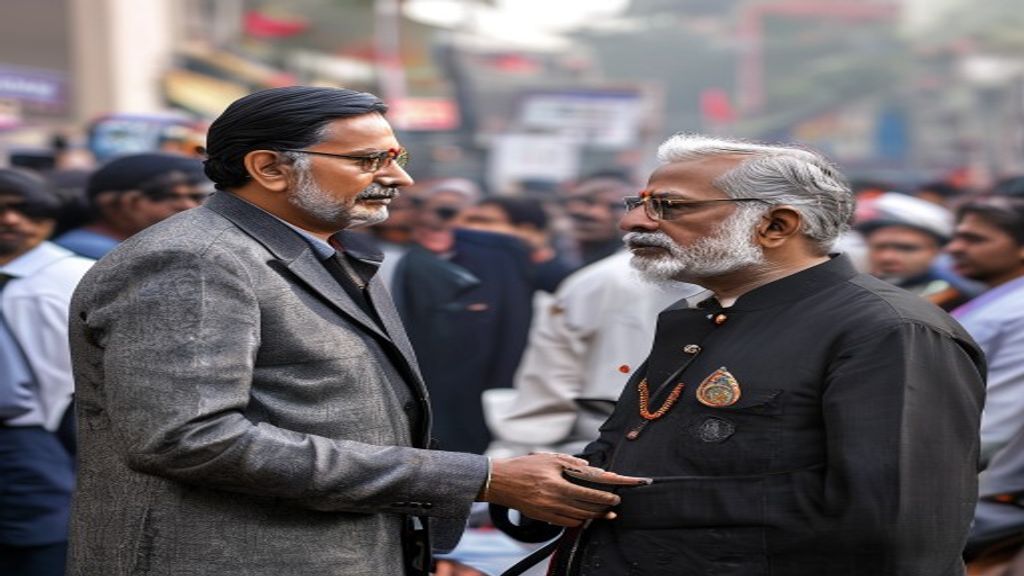
Rahul Gandhi has ramped up his criticism of Union Home Minister Amit Shah regarding the ongoing student protest violence. He claims that Shah's absence from Parliament signifies guilt over the alleged police brutality against student demonstrators. Gandhi has called for a Supreme Court-monitored investigation into these incidents, emphasizing the need for accountability and justice.
The backdrop of this political confrontation is the recent surge in protests by students across the country. These protests have erupted in response to various issues, including educational policies and police actions. As tensions rise, Gandhi has shared videos that reportedly depict the harsh treatment of student protesters by law enforcement. This has sparked outrage among opposition MPs, who have joined Gandhi in demanding accountability for the alleged police misconduct.
Allegations of Police Brutality
The allegations of police brutality have become a focal point in the ongoing political discourse. Rahul Gandhi has been vocal about the need for transparency and justice in the face of these accusations. He argues that the government must address the concerns of students rather than suppressing their voices through violence. This sentiment resonates with many who believe that peaceful protests should be met with dialogue, not aggression.
Furthermore, the opposition has rallied together to highlight these issues. They argue that the government's response to the protests reflects a broader pattern of authoritarianism. By calling for a Supreme Court investigation, they aim to ensure that the actions of law enforcement are scrutinized. This could potentially lead to significant reforms in how protests are managed in the future.
Political Ramifications of the Protests
The political ramifications of the student protests are significant. As public sentiment shifts, the ruling party faces increasing pressure to respond effectively. Rahul Gandhi's accusations against Amit Shah could impact the government's credibility. The opposition is leveraging this moment to galvanize support and challenge the ruling party's narrative.
In addition, the protests have sparked discussions about the role of education in society. Many students feel that their voices are not being heard, leading to a growing sense of disenfranchisement. This discontent could have long-lasting effects on the political landscape, especially if the government fails to address the underlying issues.
The Role of Social Media in Mobilization
Social media has played a crucial role in mobilizing support for the student protests. Videos and images shared online have brought attention to the alleged police violence. This has allowed students to connect with a broader audience, amplifying their message. As a result, the protests have gained momentum, drawing in supporters from various backgrounds.
Moreover, social media platforms have become a battleground for narratives. Supporters of the protests use these platforms to share their experiences and call for action. Conversely, government supporters attempt to downplay the incidents or shift the focus elsewhere. This dynamic highlights the importance of digital communication in contemporary activism.
The Call for Accountability
Rahul Gandhi's call for accountability is resonating with many citizens. He emphasizes that the government must take responsibility for its actions, especially regarding police conduct. The demand for a Supreme Court-monitored investigation reflects a desire for impartiality and justice. This could set a precedent for how similar cases are handled in the future.
Furthermore, the opposition's united front against police brutality signals a shift in political strategy. By focusing on issues that resonate with the public, they aim to build a coalition that can challenge the ruling party effectively. This could lead to significant changes in policy and governance if they succeed in rallying enough support.
Future Implications for Governance
The ongoing student protests and the allegations of police violence may have far-reaching implications for governance in the country. As public awareness grows, the government may be compelled to reevaluate its approach to handling dissent. This could lead to reforms in law enforcement practices and a more open dialogue with citizens.
In addition, the political landscape may shift as parties reassess their strategies in light of these events. The opposition's focus on accountability and justice could resonate with voters, potentially influencing future elections. As the situation unfolds, the actions taken by both the government and the opposition will be closely scrutinized by the public.
Source: