Supreme Court Rejects NCLT, NCLAT Rulings Over Fake AI Citations
NewsSupreme Court Rejects NCLT, NCLAT Rulings Over Fake AI Citations
Supreme Court emphasizes human oversight in justice, rejecting AI-based rulings from NCLT and NCLAT.
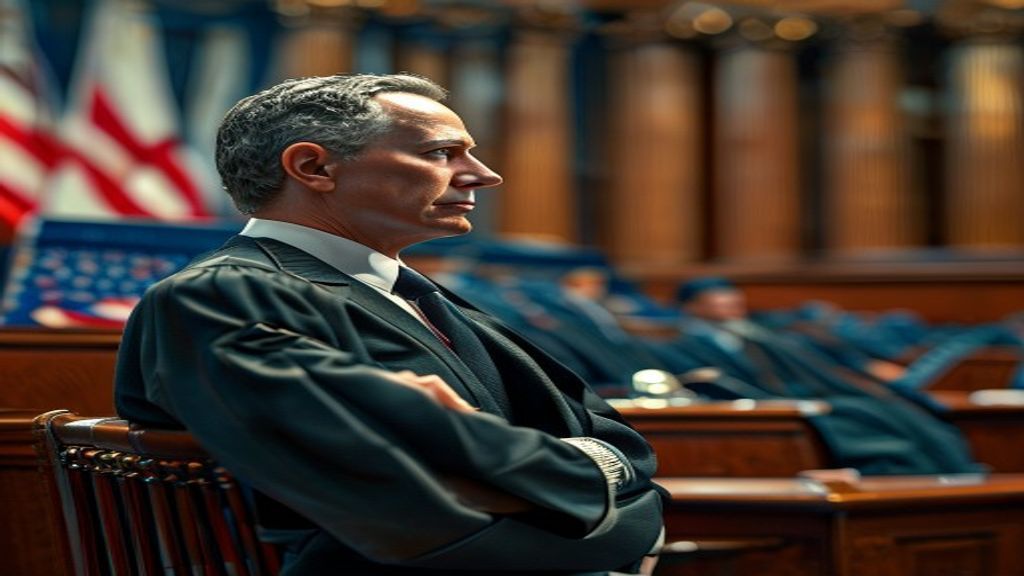
The Supreme Court of India has recently nullified rulings made by the National Company Law Tribunal (NCLT) and the National Company Law Appellate Tribunal (NCLAT) due to their reliance on fake AI citations. This landmark decision, announced on [insert date], underscores the critical importance of human oversight in the judicial process. The court's ruling emphasizes that any decision based on unverified AI-generated case laws is invalid, raising significant concerns about the use of artificial intelligence in legal contexts.
The justices expressed strong caution against the unchecked use of AI in legal proceedings. They highlighted the necessity for human control in the delivery of justice, particularly when it comes to interpreting legal precedents. The ruling serves as a wake-up call for legal professionals and institutions to critically assess the role of AI in their operations, especially in light of the increasing reliance on technology in various sectors.
Implications of the Supreme Court's Ruling
The Supreme Court's decision has far-reaching implications for the legal community. By rejecting the NCLT and NCLAT rulings based on fake AI citations, the court has set a precedent that prioritizes accuracy and reliability in legal judgments. Furthermore, this ruling may prompt a reevaluation of how AI tools are integrated into legal research and decision-making processes.
Legal experts are now calling for stricter guidelines regarding the use of AI in the courtroom. They argue that while AI can enhance efficiency, it should not replace critical human judgment. The court's stance reinforces the idea that technology should serve as a tool to assist legal professionals, rather than a substitute for their expertise.
The Role of AI in Legal Proceedings
Artificial intelligence has become increasingly prevalent in various industries, including law. However, the Supreme Court's ruling highlights the potential dangers of relying on AI-generated content without proper verification. Fake AI citations can lead to erroneous legal interpretations and unjust outcomes, which the court has made clear will not be tolerated.
In addition, the ruling raises questions about the accountability of AI systems used in legal contexts. Who is responsible when an AI tool produces misleading or false information? The court's decision may encourage lawmakers and legal bodies to establish clearer regulations governing the use of AI in legal proceedings, ensuring that human oversight remains a fundamental aspect of the judicial process.
Establishing a Committee for AI Oversight
In response to the issues raised by the Supreme Court's ruling, a committee will be formed to explore the implications of AI in the legal field. This committee will focus on assessing the risks associated with delegating critical thinking to AI systems. The goal is to develop guidelines that ensure AI tools are used responsibly and effectively within the legal framework.
Moreover, the committee will likely examine existing AI technologies and their applications in legal research, case management, and decision-making. By doing so, it aims to strike a balance between leveraging technological advancements and maintaining the integrity of the justice system.
The Future of AI in Law
As the legal landscape evolves, the role of AI will continue to be a topic of debate. The Supreme Court's ruling serves as a crucial reminder that while AI can enhance efficiency, it cannot replace the nuanced understanding and judgment that human professionals bring to the table. Legal practitioners must remain vigilant and ensure that AI tools are used ethically and responsibly.
Furthermore, ongoing education and training will be essential for legal professionals to navigate the complexities of AI integration. By fostering a culture of critical thinking and skepticism towards AI-generated content, the legal community can better safeguard against the risks associated with fake AI citations.
Conclusion on AI and Legal Integrity
The Supreme Court's decision to reject rulings based on fake AI citations marks a pivotal moment in the intersection of technology and law. It emphasizes the need for human oversight and accountability in the judicial process. As the legal community adapts to the growing influence of AI, it must prioritize the integrity of justice and ensure that technology serves as a supportive tool rather than a replacement for human expertise.
Source: