Modi and Japan’s Takaichi Advocate for Early Quad Summit Meeting
NewsModi and Japan's Takaichi Advocate for Early Quad Summit Meeting
Leaders emphasize freedom of navigation and counter-terrorism efforts in joint statement.
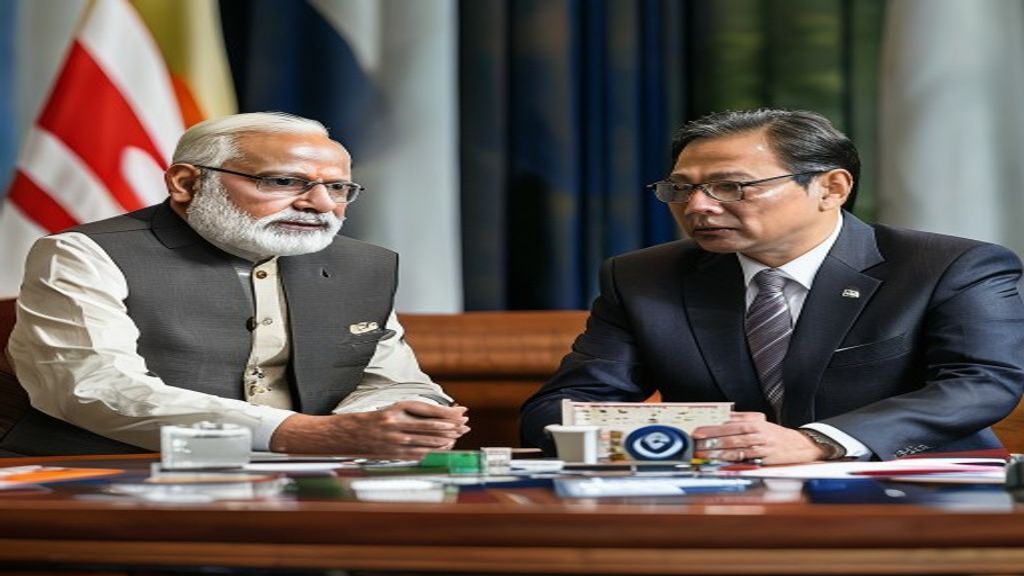
Prime Minister Narendra Modi and Japanese Prime Minister Sanae Takaichi have expressed their commitment to convening an early Quad summit. This meeting aims to address critical issues such as freedom of navigation in the Strait of Hormuz and to oppose restrictive measures that threaten regional stability. The leaders made these declarations during a recent bilateral meeting, highlighting the importance of collaboration among Quad nations.
Importance of the Early Quad Summit
The early Quad summit is crucial for enhancing cooperation among member nations, which include India, Japan, Australia, and the United States. Furthermore, the summit will serve as a platform to discuss pressing security challenges in the Indo-Pacific region. The leaders emphasized that a united front is essential to ensure peace and stability in the face of rising tensions.
In addition, the joint statement from Modi and Takaichi condemned cross-border terrorism, particularly from Pakistan. They specifically mentioned terrorist organizations such as Jaish-e-Mohammed and Lashkar-e-Taiba. By addressing these threats, the early Quad summit aims to strengthen collective security measures among member nations.
Freedom of Navigation in Strategic Waters
During their discussions, Modi and Takaichi reiterated the significance of freedom of navigation in the Strait of Hormuz. This vital waterway is crucial for global trade and energy supplies. As a result, both leaders underscored the need for all nations to respect international laws governing maritime navigation.
Moreover, the leaders voiced their opposition to any unilateral actions in the East and South China Seas. They believe that such actions undermine regional stability and violate international norms. The early Quad summit will provide an opportunity to address these maritime security concerns collaboratively.
Counter-Terrorism Efforts in the Region
The joint statement highlighted the commitment of both nations to combat terrorism. Modi and Takaichi agreed that cross-border terrorism poses a significant threat to regional security. They called for a unified approach to counter these challenges effectively.
In addition, the leaders supported India's bid for membership in the International Energy Agency (IEA). This endorsement reflects their recognition of India's growing role in global energy security. The early Quad summit will likely address energy cooperation as a key agenda item.
Strengthening Bilateral Relations
The meeting between Modi and Takaichi also focused on enhancing bilateral relations between India and Japan. Both leaders acknowledged the importance of economic cooperation and technological collaboration. They believe that strengthening these ties will contribute to regional stability and prosperity.
Furthermore, the leaders discussed various initiatives aimed at boosting trade and investment. By fostering closer economic ties, India and Japan can create a more resilient partnership that benefits both nations.
Future Prospects for the Quad Alliance
Looking ahead, the early Quad summit is expected to set the stage for deeper cooperation among member nations. The leaders are optimistic that the summit will address key issues and strengthen the Quad's role in promoting peace and security in the Indo-Pacific region.
Moreover, the commitment to counter-terrorism and maritime security will likely be central themes of the discussions. As a result, the early Quad summit could pave the way for more coordinated efforts to tackle these pressing challenges.
Conclusion of the Bilateral Meeting
The bilateral meeting between Modi and Takaichi marks a significant step towards enhancing collaboration among Quad nations. Their commitment to an early Quad summit reflects a shared vision for a stable and secure Indo-Pacific region. As tensions rise, the importance of such alliances becomes increasingly clear. The upcoming summit will be a critical opportunity for member nations to reaffirm their dedication to these shared goals.
Source: