CJP Warns Centre Over Student Arrests in Bihar and Bengal
NewsCJP Warns Centre Over Student Arrests in Bihar and Bengal
Chief Justice of Pakistan expresses concern over rising student arrests and FIRs in India
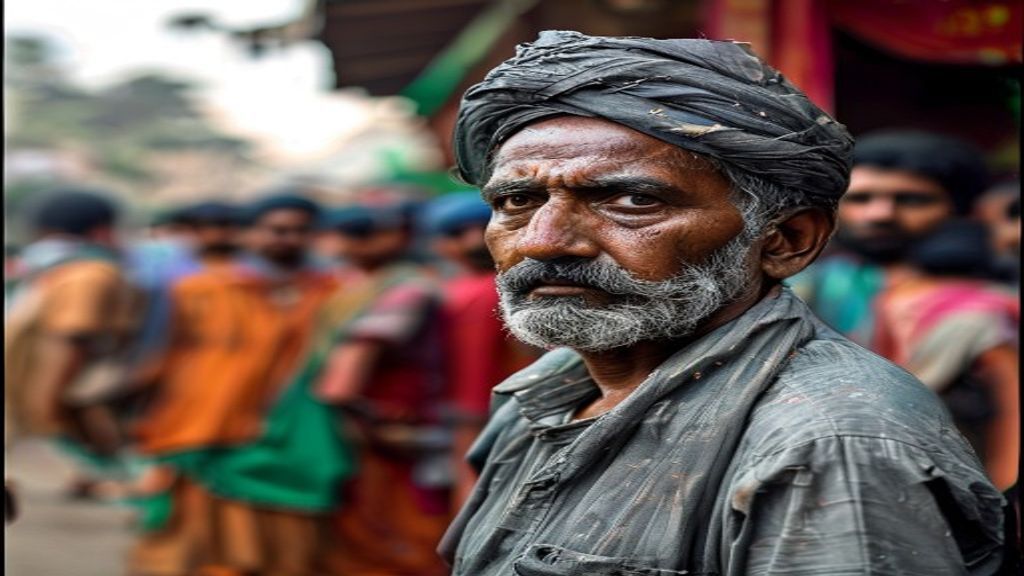
The Chief Justice of Pakistan (CJP) has issued a stern warning to the Indian government regarding the recent surge in student arrests in Bihar and Bengal. This alarming trend has raised significant concerns about civil liberties and the right to protest. The CJP emphasized the need for immediate action to address these issues, highlighting the importance of protecting students' rights.
Rising Concerns Over Student Arrests
The issue of student arrests in Bihar and Bengal has escalated in recent weeks. Reports indicate that numerous students have faced detention for participating in protests against government policies. These actions have sparked outrage among various human rights organizations and political leaders. The CJP's remarks come at a critical time when the rights of students are increasingly under threat.
Furthermore, the CJP pointed out that the arrests are not just a local issue but reflect a broader pattern of suppressing dissent. The judiciary's role in safeguarding individual rights is paramount, and the CJP has urged the Indian government to reconsider its approach. The situation demands urgent attention to prevent further violations of civil liberties.
The Role of Protests in Democracy
Protests play a vital role in any democratic society. They allow citizens, including students, to voice their concerns and demand accountability from their government. The recent student arrests in Bihar and Bengal have raised questions about the government's commitment to upholding democratic values.
As a result, many activists argue that the crackdown on student protests undermines the very foundation of democracy. The CJP's warning serves as a reminder that the right to protest is essential for a healthy political environment. Without it, citizens may feel disenfranchised and powerless.
Legal Implications of Student Arrests
The legal ramifications of student arrests in Bihar and Bengal are significant. Many of these detentions have been accompanied by the filing of First Information Reports (FIRs) against students. These legal actions can have lasting consequences on students' lives, affecting their education and future opportunities.
Moreover, the CJP has highlighted the need for a fair legal process for those arrested. The judiciary must ensure that students receive due process and that their rights are protected. The CJP's intervention underscores the importance of maintaining a just legal system, especially in cases involving young individuals.
Government Response to Protests
The Indian government's response to the protests has drawn criticism from various quarters. Critics argue that the heavy-handed approach to managing dissent is counterproductive. Instead of addressing the underlying issues, the government appears to be escalating tensions through arrests and legal actions.
In addition, the CJP's comments reflect a growing concern among international observers regarding the treatment of students in India. The global community is watching closely, and the government's actions could have far-reaching implications for its reputation.
The Future of Student Activism
Looking ahead, the future of student activism in Bihar and Bengal remains uncertain. The recent arrests may deter some students from participating in protests. However, history shows that student movements often emerge stronger in the face of adversity.
Furthermore, the CJP's warning may galvanize support for student rights across the region. Activists and organizations advocating for civil liberties are likely to rally in response to the government's actions. This could lead to a renewed focus on protecting the rights of students and ensuring their voices are heard.
Conclusion: A Call for Action
The situation surrounding student arrests in Bihar and Bengal calls for immediate action from the Indian government. The CJP's warning highlights the urgent need to protect civil liberties and uphold democratic values. As the world watches, it is crucial for the government to engage in dialogue and address the concerns raised by students and activists alike.
Source: