Abhijeet Dipke Questions PM Modi’s Video on Forgiveness and Justi
NewsAbhijeet Dipke Questions PM Modi's Video on Forgiveness and Justice
Abhijeet Dipke challenges the sincerity of PM Modi's late-night message on justice and forgiveness.
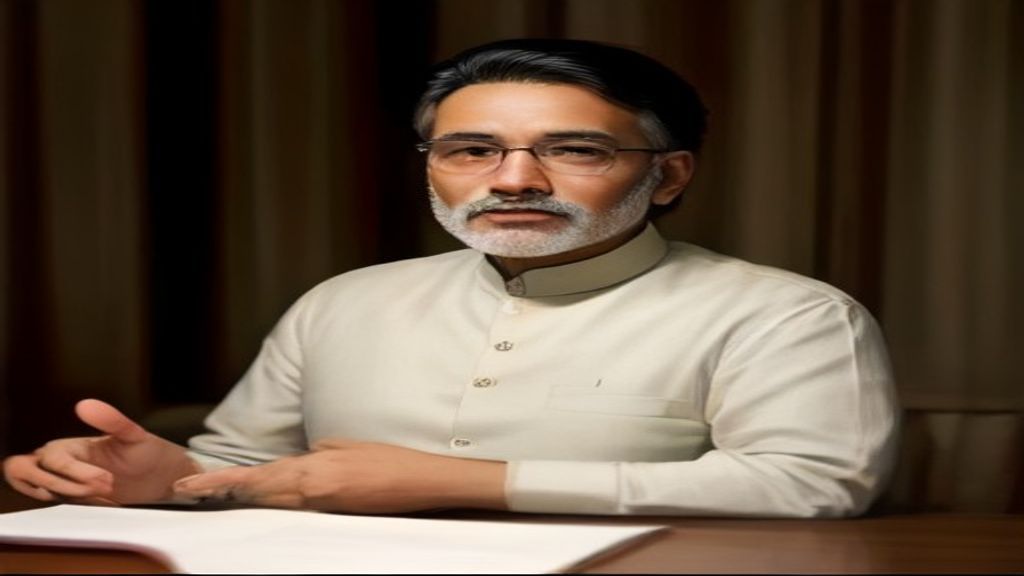
Abhijeet Dipke, a prominent political commentator, has raised questions regarding PM Modi's recent late-night video addressing themes of forgiveness. The video, which was released on social media, sparked discussions about its implications for justice and accountability. Dipke's remarks highlight concerns about whether the Prime Minister's message translates into real action or remains merely a cinematic portrayal of forgiveness.
The Context of PM Modi's Forgiveness Video
PM Modi's forgiveness video comes at a time when the nation grapples with various social and political issues. Released late at night, the video aims to resonate with citizens by promoting a message of compassion and understanding. However, critics like Abhijeet Dipke argue that such messages must be backed by tangible actions. They question whether the Prime Minister's call for forgiveness is genuine or simply a rhetorical device.
Furthermore, the timing of the video raises eyebrows. Released during a period of heightened political tension, it appears to serve multiple purposes. On one hand, it seeks to foster unity among citizens. On the other hand, it may also be an attempt to divert attention from pressing issues that require immediate resolution. Dipke's comments reflect a growing skepticism about the effectiveness of political messaging in addressing real-world problems.
Abhijeet Dipke's Critique
Abhijeet Dipke's critique centers on the authenticity of PM Modi's message. He questions whether the Prime Minister is willing to withdraw cases against individuals who have faced legal action for their political beliefs. Dipke emphasizes that true forgiveness must involve accountability and justice. Without these elements, the message risks being perceived as insincere.
Moreover, Dipke's comments resonate with a broader audience that seeks genuine reform. Many citizens are tired of political rhetoric that fails to translate into action. They desire leaders who not only speak about forgiveness but also demonstrate it through their policies and decisions. This sentiment underscores the importance of aligning words with deeds in political discourse.
Public Reaction to the Video
The public reaction to PM Modi's forgiveness video has been mixed. While some citizens appreciate the message of compassion, others share Dipke's skepticism. Many are questioning the practicality of forgiveness in a political landscape marked by conflict and division. This divide reflects a deeper concern about the effectiveness of political leadership in fostering genuine reconciliation.
In addition, social media platforms have become a battleground for these discussions. Users are actively engaging in debates about the implications of PM Modi's message. Some argue that forgiveness is essential for healing societal wounds, while others echo Dipke's call for accountability. This ongoing dialogue highlights the complexities of political communication in contemporary India.
The Role of Political Messaging
Political messaging plays a crucial role in shaping public perception. PM Modi's forgiveness video is a prime example of how leaders use media to influence narratives. However, as Abhijeet Dipke points out, the effectiveness of such messaging hinges on its authenticity. Citizens are increasingly discerning and demand that leaders back their words with concrete actions.
Furthermore, the impact of political messaging extends beyond immediate reactions. It can shape long-term public sentiment and trust in leadership. If citizens perceive messages as disingenuous, it can lead to disillusionment and disengagement from the political process. Therefore, leaders must be mindful of the implications of their words and strive for authenticity in their communications.
The Future of Forgiveness in Politics
Looking ahead, the concept of forgiveness in politics remains a contentious issue. Abhijeet Dipke's comments serve as a reminder that forgiveness must be accompanied by justice and accountability. As political leaders navigate complex social issues, they must consider the expectations of their constituents. Citizens are increasingly demanding transparency and sincerity in political discourse.
Moreover, the future of forgiveness in politics may depend on how leaders respond to critiques like Dipke's. Engaging with dissenting voices can foster a more inclusive political environment. By addressing concerns and demonstrating a commitment to justice, leaders can build trust and credibility with the public.
In conclusion, PM Modi's forgiveness video has sparked significant debate about the nature of political messaging and its implications for justice. Abhijeet Dipke's critique highlights the need for authenticity in leadership. As the political landscape evolves, the challenge remains for leaders to align their messages with meaningful actions that resonate with the public.
Source: