Sonam Wangchuk’s Wife Criticizes BJP and Congress for Similar Tac
NewsSonam Wangchuk's Wife Criticizes BJP and Congress for Similar Tactics
In a bold statement, Sonam Wangchuk's wife highlights the shared strategies of BJP and Congress in Indian politics.
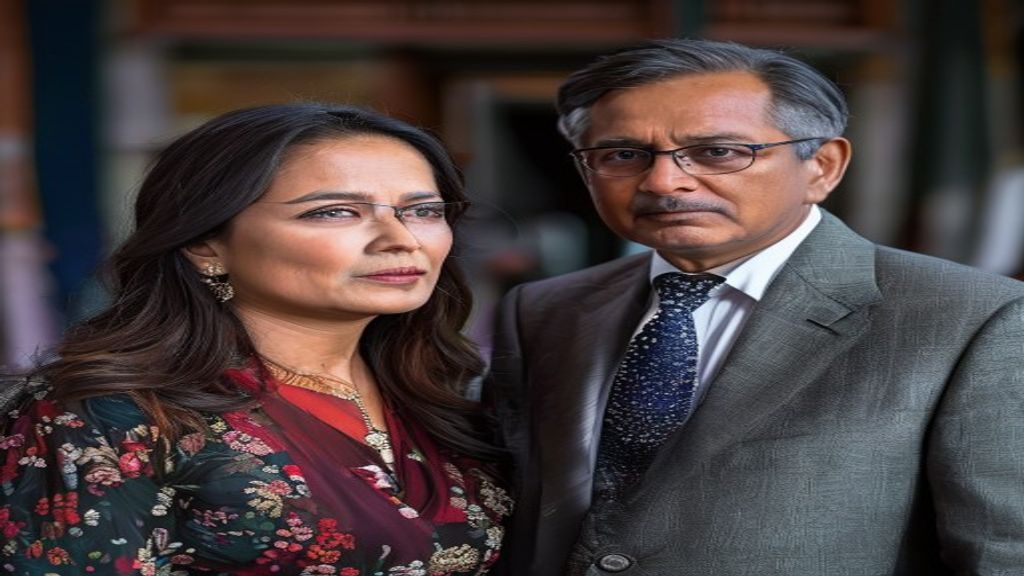
In a recent public statement, Sonam Wangchuk's wife has taken a strong stance against both the Bharatiya Janata Party (BJP) and the Indian National Congress. She argues that despite their differing flags, both parties employ similar tactics that undermine the democratic process in India. This commentary comes amid rising political tensions and public discontent with the current political landscape.
Critique of Political Strategies
Sonam Wangchuk's wife emphasizes that the strategies used by both the BJP and Congress often prioritize political gain over the welfare of the citizens. She believes that this approach leads to a lack of genuine representation for the people. Furthermore, she points out that the electorate deserves better than the repetitive cycle of promises that go unfulfilled.
Moreover, she highlights the importance of accountability in politics. According to her, both parties have failed to address critical issues such as education, healthcare, and environmental sustainability. This failure, she argues, reflects a broader trend of neglect that has persisted for decades.
The Role of Public Discourse
In her statement, Sonam Wangchuk's wife calls for a more robust public discourse around political accountability. She believes that citizens must demand transparency and integrity from their leaders. As a result, she encourages voters to critically assess the actions of both the BJP and Congress, rather than simply aligning with party ideologies.
Additionally, she stresses the need for grassroots movements to challenge the status quo. By fostering a culture of active participation, citizens can hold politicians accountable and push for meaningful change. This approach, she argues, is essential for revitalizing democracy in India.
The Impact of Political Polarization
Sonam Wangchuk's wife also addresses the growing polarization in Indian politics. She asserts that this division often distracts from the real issues that affect people's lives. Instead of focusing on policy and governance, political discourse has devolved into personal attacks and divisive rhetoric.
In addition, she warns that such polarization can lead to apathy among voters. When citizens feel disillusioned by the political process, they may choose not to participate in elections. This disengagement can have dire consequences for democracy, as it allows unaccountable leaders to thrive.
A Call for Unity
In her passionate address, Sonam Wangchuk's wife calls for unity among citizens. She believes that regardless of political affiliation, people must come together to demand better governance. This collective effort can create a powerful force for change, pushing both the BJP and Congress to prioritize the needs of the populace.
Furthermore, she encourages individuals to engage in constructive dialogue with their neighbors and communities. By fostering understanding and collaboration, citizens can build a more inclusive political environment. This unity, she argues, is crucial for addressing the pressing challenges facing the nation.
The Future of Indian Politics
Looking ahead, Sonam Wangchuk's wife expresses hope for a political landscape that prioritizes the needs of the people. She envisions a future where leaders are held accountable and where citizens actively participate in shaping policies. This vision requires a shift away from the entrenched tactics of both the BJP and Congress.
Moreover, she believes that new political movements can emerge from this desire for change. By supporting candidates who prioritize integrity and transparency, voters can help create a political culture that reflects their values. This transformation is essential for restoring faith in the democratic process.
Conclusion of the Discussion
While Sonam Wangchuk's wife has sparked a significant conversation about the tactics of the BJP and Congress, the broader implications of her statements resonate deeply. As citizens reflect on their political choices, the call for accountability and unity remains paramount. The future of Indian politics may depend on the willingness of the electorate to demand better from their leaders.
Source: