Sonam Wangchuk’s Hunger Strike Enters Day 9, Sparks Global Attent
NewsSonam Wangchuk's Hunger Strike Enters Day 9, Sparks Global Attention
Activist Sonam Wangchuk's hunger strike raises awareness for environmental issues and cultural preservation.
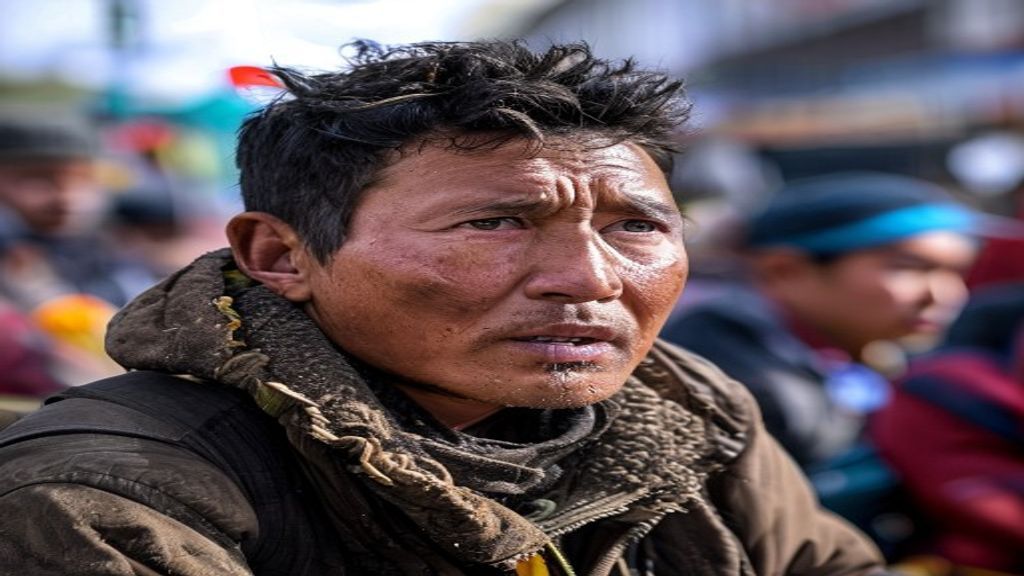
Renowned environmental activist Sonam Wangchuk has entered the ninth day of his hunger strike, drawing significant attention worldwide. The protest, which began on October 1, 2023, aims to highlight urgent environmental issues and the need for cultural preservation in Ladakh, India. Wangchuk's commitment to these causes has resonated with many, prompting discussions about sustainability and local heritage.
Background on Sonam Wangchuk's Activism
Sonam Wangchuk is a prominent figure in the fight for environmental sustainability and cultural preservation. He is best known for his innovative approaches to water conservation and education in the Himalayan region. Wangchuk's hunger strike is a direct response to the increasing threats posed by climate change and rapid development in Ladakh. His efforts have garnered support from various environmental groups and individuals who share his vision for a sustainable future.
Furthermore, Wangchuk's activism extends beyond local issues. He has become a symbol of resistance against the exploitation of natural resources and the erosion of cultural identity. His hunger strike serves as a call to action for both local and global communities to prioritize environmental stewardship and respect for indigenous cultures.
The Purpose of the Hunger Strike
The primary goal of Sonam Wangchuk's hunger strike is to raise awareness about the environmental challenges facing Ladakh. As climate change accelerates, the region experiences severe water shortages and ecological degradation. Wangchuk aims to draw attention to these pressing issues and encourage policymakers to take immediate action.
In addition, Wangchuk seeks to promote sustainable development practices that respect the unique cultural heritage of Ladakh. He believes that preserving local traditions is essential for maintaining the region's identity and resilience against climate change. His hunger strike is a powerful statement advocating for a balanced approach to development that prioritizes both environmental health and cultural integrity.
Global Reactions to the Hunger Strike
As news of Sonam Wangchuk's hunger strike spreads, reactions from around the world continue to pour in. Environmental activists, celebrities, and concerned citizens have expressed their support through social media and public statements. Many are using the hashtag #SonamWangchukHungerStrike to amplify his message and raise awareness about the issues he champions.
Moreover, Wangchuk's situation has sparked discussions about the broader implications of climate change and cultural preservation. Activists argue that his hunger strike highlights the urgent need for global cooperation in addressing environmental crises. As a result, many are calling for increased efforts to support sustainable practices and protect vulnerable communities.
The Impact of Social Media
Social media plays a crucial role in amplifying Sonam Wangchuk's message. Platforms like Twitter and Instagram have allowed supporters to share updates and rally for action. This digital engagement has helped to create a sense of urgency around Wangchuk's cause, encouraging more people to join the conversation about environmental sustainability.
Furthermore, the visibility gained through social media has attracted the attention of influential figures and organizations. Many are now advocating for policy changes that align with Wangchuk's vision for a sustainable future. This increased awareness could lead to significant shifts in how governments and corporations approach environmental issues.
Future Actions and Support
As Sonam Wangchuk continues his hunger strike, many are contemplating ways to support his cause. Activists encourage individuals to educate themselves about the environmental challenges facing Ladakh and to advocate for sustainable practices in their own communities. Simple actions, such as reducing waste and supporting local initiatives, can contribute to a larger movement for change.
In addition, organizations focused on environmental protection and cultural preservation are seeking donations and volunteers to further their missions. Supporting these groups can amplify the impact of Wangchuk's hunger strike and help address the issues he is fighting for. By coming together, communities can create a powerful force for positive change.
The Role of Local Communities
Local communities in Ladakh are directly affected by the issues Wangchuk highlights. Many residents are already engaged in efforts to combat climate change and preserve their cultural heritage. Wangchuk's hunger strike serves as a reminder of the importance of grassroots movements in driving change.
Moreover, the solidarity shown by local communities reinforces the idea that sustainable practices must be rooted in cultural values. As Wangchuk continues his protest, he inspires others to take action and advocate for their rights. This collective effort is essential for creating a sustainable future for Ladakh and beyond.
Source: News Feed

