India Criticizes Khawaja Asif’s Remarks on PM Modi’s Stability
NewsIndia Criticizes Khawaja Asif's Remarks on PM Modi's Stability
Indian officials respond to Pakistan minister's comments on PM Modi, highlighting political tensions.
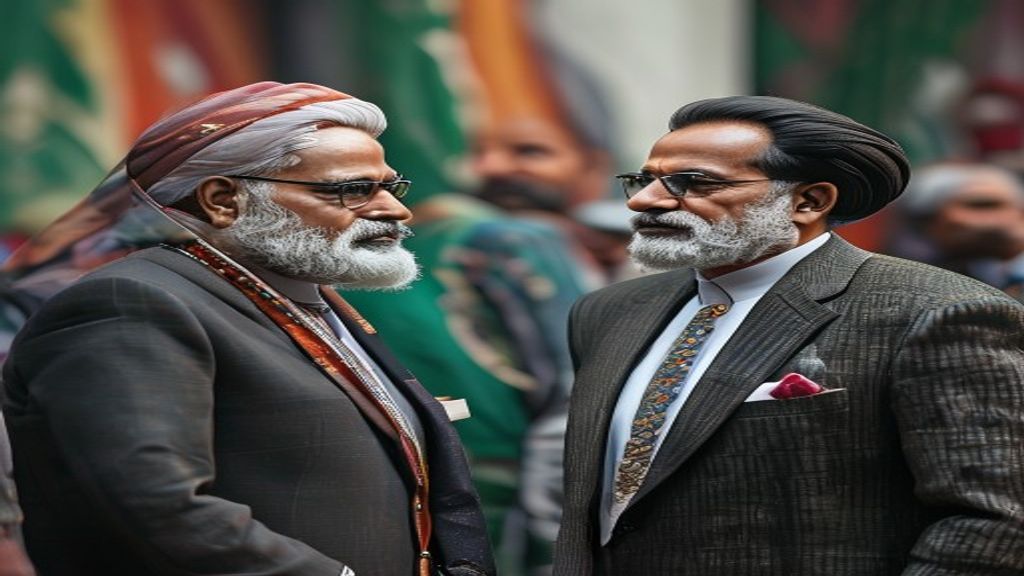
Indian officials have strongly criticized Khawaja Asif's remarks regarding Prime Minister Narendra Modi, labeling them as reflective of Pakistan's political instability. The comments, made by the Pakistan Minister for Defence, have sparked outrage in India, with government sources emphasizing that such statements reveal a lack of understanding and maturity in Pakistan's leadership. This incident occurred amid ongoing tensions between the two nations, highlighting the fragile state of diplomatic relations.
Reaction to Khawaja Asif's Remarks
Government sources in India responded swiftly to Khawaja Asif's remarks, stating that they underscore the ignorance prevalent in Pakistan's political discourse. They pointed out that Asif's ability to hold a significant position while making such comments speaks volumes about the current political climate in Pakistan. Furthermore, officials noted that his remarks seem to stem from envy and a tendency towards hate speech, which is detrimental to constructive dialogue between the two countries.
As a result, Indian officials have called for a more responsible approach from Pakistan's leadership. They argue that engaging in personal attacks does not contribute to resolving the underlying issues between the nations. Instead, they advocate for a focus on diplomacy and mutual respect, which are essential for fostering peace in the region.
The Impact of Political Leadership on Relations
The remarks made by Khawaja Asif highlight a broader issue regarding the impact of political leadership on India-Pakistan relations. Political leaders play a crucial role in shaping public perception and diplomatic interactions. When leaders resort to derogatory comments, it can escalate tensions and hinder progress towards resolution.
In addition, the Indian government has expressed concern that such statements may incite further animosity among the populace. This cycle of negativity can perpetuate a hostile environment, making it increasingly difficult for both nations to engage in meaningful dialogue. Therefore, responsible leadership is vital for improving bilateral relations.
Historical Context of India-Pakistan Relations
To understand the significance of Khawaja Asif's remarks, one must consider the historical context of India-Pakistan relations. Since their independence in 1947, the two nations have experienced numerous conflicts and diplomatic challenges. The relationship has often been characterized by mistrust and hostility, fueled by territorial disputes and differing political ideologies.
Consequently, comments like those made by Asif can exacerbate existing tensions. They serve as reminders of the deep-seated issues that continue to affect diplomatic efforts. Indian officials argue that moving forward requires a commitment to dialogue and an understanding of each other's perspectives.
The Role of Media in Political Discourse
The media plays a significant role in shaping political discourse, particularly in the context of international relations. Khawaja Asif's remarks were widely reported, amplifying their impact and drawing attention to the ongoing tensions between India and Pakistan. Media coverage can influence public opinion and political narratives, making it essential for leaders to be mindful of their statements.
Furthermore, responsible journalism can help bridge gaps between nations by promoting understanding and dialogue. By focusing on constructive discussions rather than sensationalism, the media can contribute positively to the political landscape. This approach is crucial for fostering a more peaceful relationship between India and Pakistan.
Future Implications for India-Pakistan Relations
Looking ahead, the implications of Khawaja Asif's remarks could be significant for future India-Pakistan relations. If such rhetoric continues, it may hinder diplomatic efforts and exacerbate tensions. Indian officials have emphasized the need for a shift towards more constructive dialogue, urging Pakistan's leadership to adopt a more diplomatic tone.
As a result, both nations must recognize the importance of responsible leadership and communication. By prioritizing dialogue over hostility, there is potential for improved relations and a more stable regional environment. The path forward requires a commitment to understanding and collaboration, rather than divisive rhetoric.
Source: News Feed

