Supreme Court Rejects Plea to Remove Shivaji Statue in Goa
NewsSupreme Court Rejects Plea to Remove Shivaji Statue in Goa
Controversy surrounds the Shivaji statue as Supreme Court dismisses removal plea in Goa.
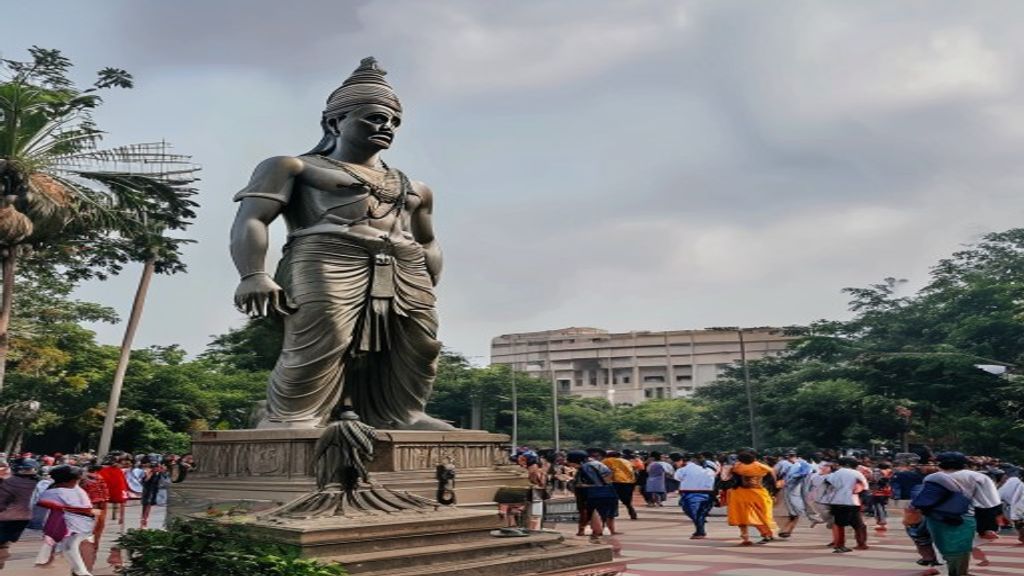
The Supreme Court of India recently declined to entertain a plea regarding the removal of the Shivaji statue located in Goa. This decision has sparked significant debate among local communities and political groups. The statue, which honors the Maratha king Chhatrapati Shivaji Maharaj, has become a symbol of pride for many in the region, making the Shivaji statue removal a contentious issue.
Background of the Shivaji Statue
The Shivaji statue in Goa stands as a tribute to the legendary Maratha warrior king. Erected to commemorate his contributions to Indian history, the statue has been a focal point for cultural pride. Many locals view the statue as a representation of their heritage and identity. Therefore, any discussions surrounding the Shivaji statue removal evoke strong emotions and opinions.
Furthermore, the statue's location in a prominent area of Goa adds to its significance. It attracts both tourists and locals, serving as a reminder of Shivaji's legacy. The ongoing debate about its removal highlights the complexities of historical representation in modern India.
Supreme Court's Decision
The Supreme Court's recent ruling on the Shivaji statue removal plea has drawn attention from various sectors. The court stated that it would not entertain the petition, emphasizing the importance of preserving historical monuments. This decision aligns with the broader trend of protecting cultural heritage across the country.
As a result, the ruling has been met with mixed reactions. Supporters of the statue argue that it should remain as a symbol of pride, while opponents believe it should be relocated or removed due to various reasons. The Supreme Court's stance reinforces the idea that such monuments play a crucial role in India's cultural landscape.
Public Reaction and Political Implications
Public reaction to the Supreme Court's decision on the Shivaji statue removal has been polarized. Many residents of Goa have expressed their support for the statue, viewing it as an essential part of their cultural identity. Local political leaders have also weighed in, with some advocating for the statue's preservation and others calling for its removal.
In addition, the controversy surrounding the statue has implications for local politics. Political parties are using the issue to rally support from their constituencies. This has led to heightened tensions among different groups, each with their own perspectives on the statue's significance.
Historical Significance of Shivaji Maharaj
Chhatrapati Shivaji Maharaj is a revered figure in Indian history. He is known for his innovative military tactics and governance, which laid the foundation for the Maratha Empire. His legacy continues to inspire many, making the Shivaji statue a vital symbol of resistance and pride.
Moreover, the historical significance of Shivaji extends beyond Goa. His contributions to Indian history are celebrated nationwide. This broader recognition adds weight to the arguments against the Shivaji statue removal, as many believe that such actions could undermine the legacy of a national hero.
Future of the Shivaji Statue
The future of the Shivaji statue remains uncertain following the Supreme Court's decision. While the court has dismissed the removal plea, ongoing discussions about the statue's place in Goa's landscape continue. Local communities are likely to remain engaged in this debate, advocating for their views on the statue's significance.
Furthermore, the issue may prompt further legal challenges or petitions in the future. As public sentiment evolves, the conversation surrounding the Shivaji statue could lead to new developments. The statue's fate will depend on the interplay of cultural pride, political agendas, and legal interpretations.
Broader Context of Cultural Heritage in India
The Shivaji statue removal debate is part of a larger conversation about cultural heritage in India. Many historical monuments are under scrutiny as society grapples with their meanings in contemporary contexts. This trend reflects a growing awareness of the need to address historical narratives and their representations.
As a result, the discussion surrounding the Shivaji statue is not isolated. It resonates with similar debates across the country, where communities are reassessing their historical symbols. The outcome of these discussions will shape the future of cultural heritage in India, influencing how history is remembered and honored.
Source: News Feed

