Supreme Court Rules Against Blanket Ban on Pellet Guns for Crowd C
NewsSupreme Court Rules Against Blanket Ban on Pellet Guns for Crowd Control
Supreme Court emphasizes treatment for injured protesters and police safety gear
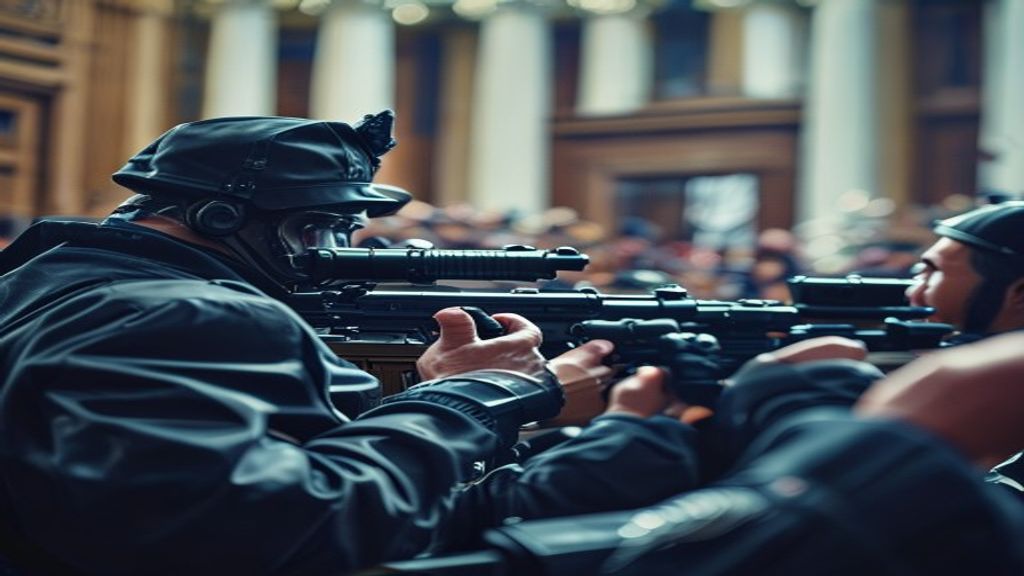
The Supreme Court of India recently addressed the contentious issue of pellet guns for crowd control, ruling that there should not be a blanket ban on their use. This decision came as the court ordered the Delhi government to ensure that all injured protesters receive proper medical treatment. The ruling highlights the ongoing debate surrounding the use of pellet guns in managing public protests, particularly in sensitive areas.
Supreme Court's Ruling on Pellet Guns for Crowd Control
The Supreme Court's ruling on pellet guns for crowd control underscores the complexity of managing protests in urban settings. The court questioned the practicality of imposing a complete ban on these weapons, suggesting that they may still have a role in specific situations. Furthermore, the court's directive to preserve ammunition logs aims to facilitate thorough investigations into incidents involving pellet guns.
In addition, the court emphasized the importance of ensuring that police officers are equipped with adequate safety gear. This measure is crucial for protecting law enforcement personnel while they manage potentially volatile situations. The ruling reflects a balanced approach, recognizing the need for both public safety and the rights of protesters.
Treatment of Injured Protesters
In its ruling, the Supreme Court mandated that the Delhi government prioritize the treatment of all injured protesters. This directive aims to ensure that individuals harmed during protests receive immediate and appropriate medical care. The court's decision highlights the responsibility of the government to safeguard the health and well-being of all citizens, regardless of their participation in demonstrations.
Moreover, the court's insistence on treating injured protesters serves as a reminder of the potential consequences of crowd control measures. As protests can escalate quickly, the need for effective medical response systems becomes increasingly important. The ruling calls for a comprehensive approach to managing protests, which includes not only crowd control strategies but also medical preparedness.
The Role of Police in Crowd Control
The Supreme Court's ruling also sheds light on the role of police in crowd control situations. The court acknowledged that while peaceful protests are a democratic right, they can sometimes be disrupted by miscreants. As a result, law enforcement must be equipped to handle such situations effectively.
In addition to adequate safety gear, the court's ruling suggests that police training should include strategies for de-escalating tensions during protests. This proactive approach can help prevent violence and ensure that protests remain peaceful. The court's emphasis on police preparedness is a critical aspect of maintaining public order while respecting citizens' rights.
Implications for Future Protests
The Supreme Court's decision regarding pellet guns for crowd control has significant implications for future protests in India. By not imposing a blanket ban, the court acknowledges the need for flexibility in law enforcement responses. This ruling may influence how police approach crowd control in the future, potentially leading to more nuanced strategies that prioritize safety and rights.
Furthermore, the court's focus on the treatment of injured protesters may encourage greater accountability among law enforcement agencies. As the public becomes more aware of their rights, there may be increased pressure on authorities to ensure that crowd control measures do not infringe upon individual freedoms.
Public Reaction to the Ruling
Public reaction to the Supreme Court's ruling has been mixed. Some citizens and activists support the decision, viewing it as a necessary balance between maintaining order and protecting rights. Others, however, express concern that the continued use of pellet guns could lead to further injuries and fatalities during protests.
As discussions around the use of pellet guns for crowd control continue, it is essential for all stakeholders to engage in constructive dialogue. This includes government officials, law enforcement, and civil society organizations. By working together, they can develop strategies that prioritize public safety while respecting the rights of individuals to protest peacefully.
The Future of Crowd Control Measures
Looking ahead, the Supreme Court's ruling may prompt a reevaluation of crowd control measures across India. Policymakers may need to explore alternative methods that minimize harm to protesters while ensuring public safety. This could involve investing in non-lethal crowd control technologies and enhancing police training programs.
In addition, the ruling may encourage a broader conversation about the rights of protesters and the responsibilities of law enforcement. As society grapples with these complex issues, the Supreme Court's decision serves as a pivotal moment in shaping the future of crowd control in India.
Source: