PM Modi Reviews Seafarer Safety Amid Middle East Conflict Crisis
NewsPM Modi Reviews Seafarer Safety Amid Middle East Conflict Crisis
Prime Minister Modi addresses seafarer safety and supply chain issues during West Asia crisis.
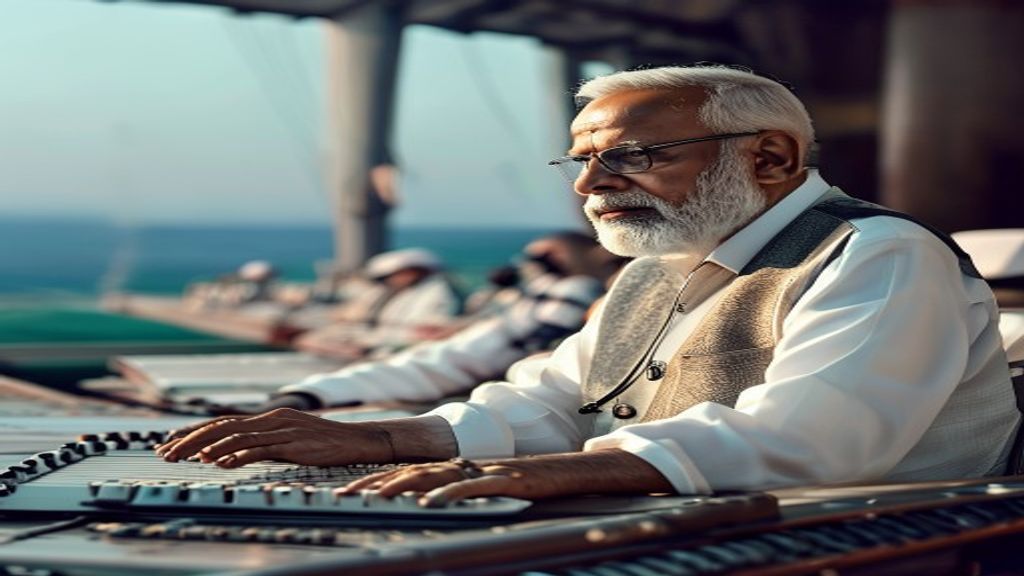
Prime Minister Narendra Modi recently chaired a crucial security meeting focused on the ongoing Middle East conflict. This meeting aimed to address the safety of seafarers and their families affected by the crisis. Additionally, the discussions highlighted the importance of ensuring an uninterrupted fertilizer supply for the upcoming rabi season, emphasizing the government's proactive measures during this challenging time.
Government's Response to the Middle East Conflict
The Middle East conflict has raised significant concerns for India, particularly regarding its seafarers. Prime Minister Modi's meeting underscored the need for a robust mechanism to support these individuals and their families. As a result, the government is implementing strategies to ensure their safety while navigating through affected regions. This initiative reflects the government's commitment to safeguarding its citizens during international crises.
Furthermore, the discussions included measures to maintain the supply chain for essential goods. The government recognizes that disruptions in the Middle East could impact various sectors, including agriculture. Therefore, ensuring a steady supply of fertilizers is critical for the upcoming rabi season. The proactive approach aims to mitigate potential shortages and stabilize the agricultural sector.
Diversifying Energy Sources Amidst Crisis
In light of the Middle East conflict, the Indian government has also focused on diversifying its energy sources. This strategy aims to reduce dependency on any single region for energy supplies. By exploring alternative sources, India can effectively mitigate risks associated with geopolitical tensions. This diversification is crucial for maintaining energy security and ensuring that the economy remains resilient.
Moreover, the government's efforts to diversify energy sources have already shown positive results. By investing in renewable energy and exploring partnerships with other nations, India is positioning itself to withstand fluctuations in global energy markets. This approach not only enhances energy security but also supports the country's long-term sustainability goals.
Ensuring Supply Chain Stability
The ongoing Middle East conflict poses significant challenges to global supply chains. As a result, the Indian government is taking a comprehensive approach to ensure stability. This includes monitoring supply routes and collaborating with international partners to secure essential goods. The focus remains on minimizing disruptions that could affect the economy and citizens' daily lives.
In addition, the government is working closely with industry stakeholders to assess potential impacts on various sectors. By gathering insights from businesses, officials can better understand the challenges ahead and develop effective strategies. This collaborative effort is vital for maintaining a resilient supply chain during uncertain times.
Support for Seafarers and Their Families
Recognizing the unique challenges faced by seafarers, the government is establishing a dedicated support mechanism. This initiative aims to provide assistance to seafarers and their families during the ongoing Middle East conflict. By offering resources and guidance, the government seeks to alleviate concerns and ensure that families remain informed and supported.
Furthermore, the government is committed to enhancing communication channels for seafarers. This includes providing timely updates on safety measures and travel advisories. By keeping seafarers and their families informed, the government aims to foster a sense of security amidst the ongoing crisis.
Collaborative Efforts for National Security
The Middle East conflict has prompted a whole-of-government approach to national security. Prime Minister Modi emphasized the importance of collaboration among various government agencies to safeguard citizens' interests. This coordinated effort ensures that all aspects of national security are addressed comprehensively.
Moreover, the government is engaging with international partners to share intelligence and resources. By fostering collaboration, India can enhance its security posture and respond effectively to emerging threats. This proactive stance is essential for maintaining stability and protecting the nation's interests during turbulent times.
Future Implications of the Middle East Conflict
The ongoing Middle East conflict will likely have lasting implications for India. As the government continues to monitor the situation, it remains committed to adapting its strategies. This includes reassessing energy policies and supply chain management to ensure resilience in the face of future challenges.
In addition, the government is focused on strengthening diplomatic ties with nations in the region. By fostering positive relationships, India can enhance its influence and contribute to regional stability. This diplomatic engagement is crucial for navigating the complexities of international relations during times of conflict.
Source: