Mehbooba Mufti Faces Backlash Over Jantar Mantar Comments on Kashm
NewsMehbooba Mufti Faces Backlash Over Jantar Mantar Comments on Kashmir
Opposition parties criticize Mehbooba Mufti for justifying force in Jammu and Kashmir amid rising tensions.
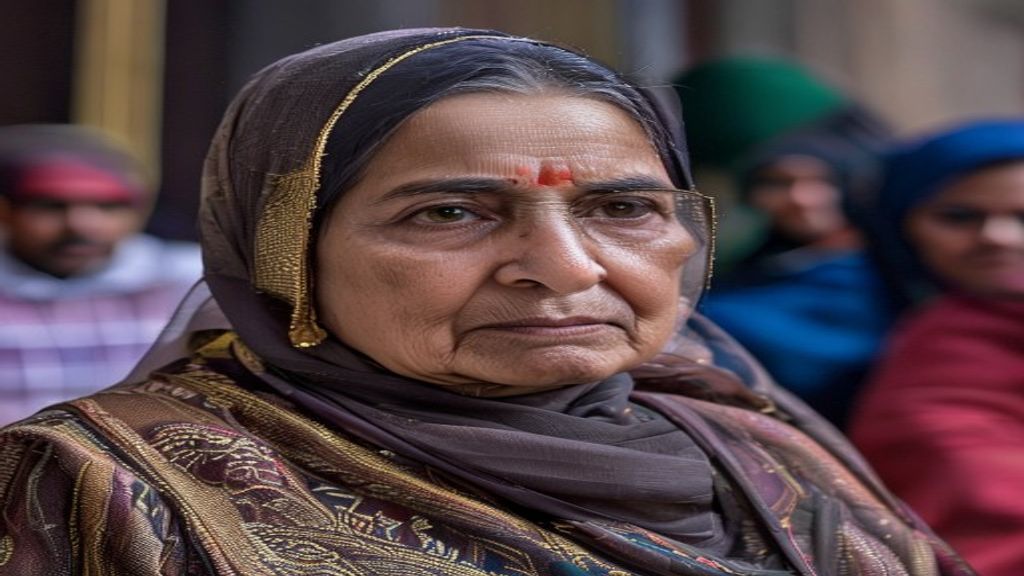
Mehbooba Mufti's recent comments regarding the use of force in Kashmir have sparked significant backlash from various political factions. The former Chief Minister made her remarks during a speech at Jantar Mantar, where she appeared to justify the use of force by citing ongoing militancy in the region. This statement has drawn sharp criticism, particularly from Chief Minister Omar Abdullah, who has called for an apology, emphasizing the need for sensitivity in discussing such a volatile issue.
The controversy surrounding Mehbooba Mufti's Kashmir comments highlights the ongoing tensions in the region. Many political leaders argue that her remarks undermine the struggles faced by the people of Jammu and Kashmir. The People's Democratic Party (PDP), which Mufti leads, has defended her statement, claiming that it was misrepresented by the media. However, the backlash continues to grow as opposition parties unite to condemn her comments.
Political Reactions to Mehbooba Mufti's Comments
Political reactions to Mehbooba Mufti's Kashmir comments have been swift and varied. Omar Abdullah, a prominent figure in the National Conference, has been vocal in his criticism. He stated that her comments could be interpreted as an endorsement of the use of force, which is particularly troubling given the historical context of violence in the region. Abdullah's call for an apology reflects a broader concern among political leaders about the implications of such statements.
Furthermore, other political parties have joined the fray, emphasizing the need for accountability and sensitivity in political discourse. They argue that comments like those made by Mufti can exacerbate existing tensions and further alienate the local population. The situation in Jammu and Kashmir remains delicate, and many believe that leaders should prioritize dialogue over divisive rhetoric.
The Context of Mehbooba Mufti's Remarks
To understand the gravity of Mehbooba Mufti's Kashmir comments, it is essential to consider the historical context. Jammu and Kashmir has experienced decades of conflict, with a complex interplay of militancy, political strife, and human rights issues. The region has seen significant suffering, and many families have been affected by violence and loss.
In this light, Mufti's remarks can be seen as particularly controversial. Critics argue that justifying the use of force, even in the context of combating militancy, risks trivializing the pain experienced by countless individuals. As a result, her comments have reignited debates about the appropriate response to violence in the region and the responsibilities of political leaders.
PDP's Defense of Mehbooba Mufti
In response to the backlash, the People's Democratic Party (PDP) has come to Mehbooba Mufti's defense. Party officials argue that her comments were taken out of context and misrepresented by the media. They assert that Mufti's intention was to highlight the challenges faced by security forces while also acknowledging the need for a more nuanced approach to governance in Jammu and Kashmir.
Moreover, the PDP emphasizes that Mufti has consistently advocated for peace and dialogue in the region. They argue that her comments should not overshadow her commitment to finding a resolution to the ongoing conflict. The party's defense reflects a broader strategy to maintain support among its base while navigating the complexities of political discourse in Jammu and Kashmir.
Implications for Jammu and Kashmir Politics
The fallout from Mehbooba Mufti's Kashmir comments could have significant implications for the political landscape in Jammu and Kashmir. As opposition parties rally against her, the potential for increased polarization grows. Political leaders must navigate these tensions carefully, as public sentiment remains sensitive to issues of violence and governance.
Furthermore, the incident may influence future political strategies for the PDP and other parties in the region. Leaders will need to consider how their statements resonate with constituents who have experienced the impacts of conflict firsthand. As a result, the focus may shift toward more conciliatory approaches that prioritize dialogue and understanding.
The Role of Media in Political Discourse
The media plays a crucial role in shaping public perception of political statements, as seen in the response to Mehbooba Mufti's comments. The way her remarks were reported has sparked debates about media responsibility and accuracy. Critics argue that sensationalized coverage can distort the original message, leading to misunderstandings and heightened tensions.
In addition, the media's role in political discourse raises questions about accountability. Political leaders must be aware of how their words are interpreted and reported. As the situation in Jammu and Kashmir evolves, the relationship between politicians and the media will remain a critical factor in shaping public opinion and political dynamics.
Future of Political Dialogue in Jammu and Kashmir
Looking ahead, the future of political dialogue in Jammu and Kashmir hinges on the ability of leaders to engage constructively with one another. The backlash against Mehbooba Mufti's comments serves as a reminder of the importance of sensitivity in political discourse. Leaders must strive to foster an environment where open dialogue can flourish, allowing for diverse perspectives to be heard.
As tensions persist, the need for thoughtful and respectful communication becomes even more critical. Political leaders have a responsibility to prioritize the well-being of the people they represent. By doing so, they can work towards a more peaceful and stable future for Jammu and Kashmir.
Source: