Delhi Transport Groups Plan Parliament March Against E20 Fuel
NewsDelhi Transport Groups Plan Parliament March Against E20 Fuel
Transport bodies in Delhi demand withdrawal of ethanol-blended petrol amid concerns over vehicle performance.
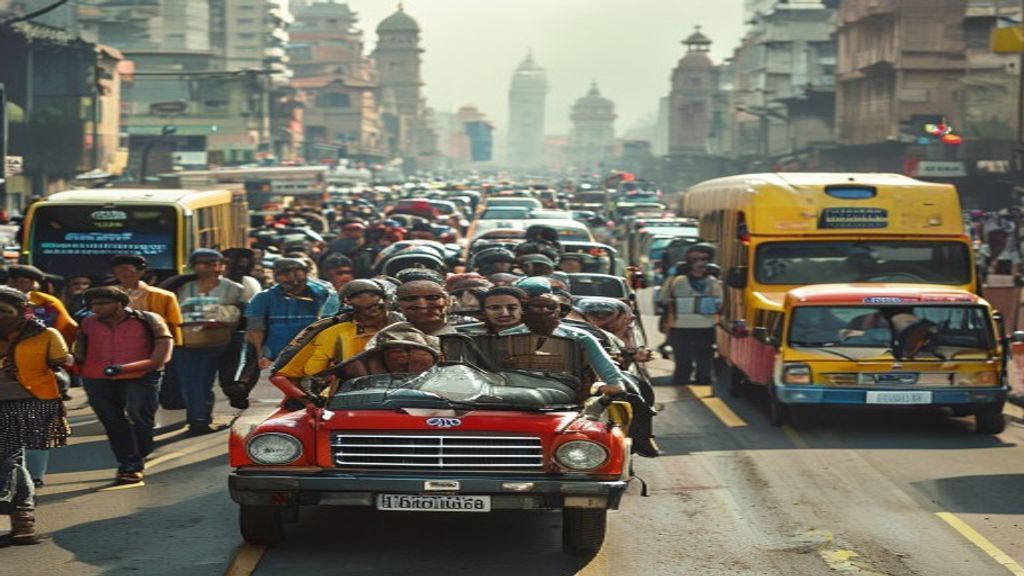
Delhi transport groups are organizing a significant E20 fuel protest, set to take place on August 4, 2023. This march aims to urge the government to withdraw ethanol-blended petrol from the market due to rising concerns about vehicle performance and mileage reduction. The protest highlights the issues surrounding the mandated fuel blend, which many believe could harm their vehicles.
Concerns Over E20 Fuel
Transport bodies in Delhi have raised alarms regarding the impact of E20 fuel on vehicle performance. Many drivers report experiencing problems with their vehicles after switching to this ethanol-blended petrol. Furthermore, there are widespread claims that the fuel blend leads to reduced mileage, which directly affects the cost of transportation for many individuals and businesses.
As a result, these transport groups are demanding immediate action from the government. They argue that the E20 fuel program, while intended to promote cleaner energy, may not be as beneficial as claimed. The protest aims to bring these concerns to the forefront of public discourse and government attention.
Government's Defense of E20 Fuel
In response to the E20 fuel protest, government officials have defended the ethanol-blended petrol program. They assert that E20 fuel is safe for use and beneficial for the environment. The government emphasizes that the transition to ethanol-blended petrol aligns with national goals for reducing carbon emissions and promoting sustainable energy sources.
However, critics argue that the government has not adequately addressed the concerns raised by transport groups. Many believe that the potential risks to vehicle performance outweigh the environmental benefits. This ongoing debate underscores the need for a thorough examination of the E20 fuel program.
The Impact on Daily Commuters
The introduction of E20 fuel has significant implications for daily commuters in Delhi. Many individuals rely on their vehicles for transportation to work and other essential activities. Consequently, any issues related to fuel performance can lead to increased costs and inconvenience.
Moreover, the transport groups argue that the government's push for E20 fuel could disproportionately affect low-income families. These families may struggle to absorb the additional costs associated with decreased mileage and potential vehicle repairs. As a result, the E20 fuel protest aims to advocate for the rights of these commuters and ensure their voices are heard.
Broader Implications for the Transport Sector
The E20 fuel protest is not just a localized issue; it reflects broader concerns within the transport sector across India. Many transport associations are closely monitoring the situation, as the outcome of this protest could set a precedent for future fuel policies.
In addition, the protest highlights the importance of stakeholder engagement in policy-making. Transport groups are calling for more transparency and dialogue with the government regarding fuel standards and their implications. This could lead to more informed decisions that consider the needs of both the environment and the public.
Future of Ethanol-Blended Petrol
Looking ahead, the future of ethanol-blended petrol remains uncertain. The ongoing E20 fuel protest may prompt the government to reassess its approach to fuel blends and their impact on vehicles. Stakeholders from various sectors are likely to engage in discussions about the viability of E20 fuel and potential alternatives.
Furthermore, as public awareness grows regarding the implications of E20 fuel, consumer preferences may shift. This could influence the government's strategy in promoting cleaner fuels while ensuring that vehicle performance and consumer satisfaction are not compromised.
Conclusion of the March
The E20 fuel protest on August 4 is expected to draw significant attention from both the public and media. Transport groups are determined to make their voices heard and advocate for the withdrawal of ethanol-blended petrol. As the march approaches, the transport sector and government officials will be watching closely to see how this issue unfolds and what it means for the future of fuel policies in India.
Source: