CJP Warns of Another Protest Amid SC Criticism of Police Action
NewsCJP Warns of Another Protest Amid SC Criticism of Police Action
Supreme Court criticizes police response to NEET student protests, raising concerns over civil rights.
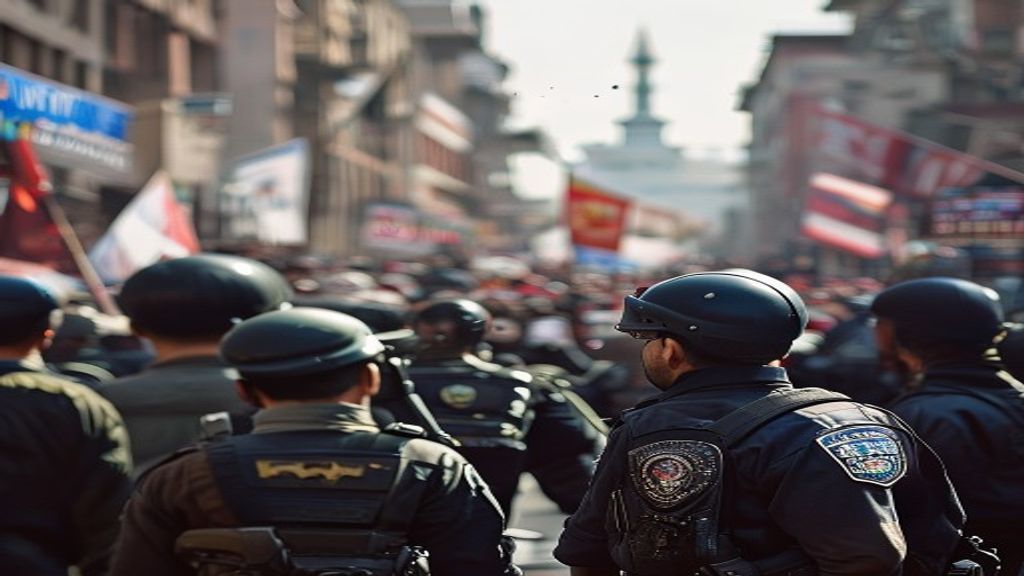
The Chief Justice of Pakistan (CJP) has issued a warning regarding the potential for another protest, following recent events surrounding the National Eligibility cum Entrance Test (NEET). This warning comes amidst a backdrop of criticism from the Supreme Court regarding police actions against students during the NEET protests. The situation has escalated in various cities across Pakistan, particularly in response to the handling of student demonstrations.
Background of the NEET Protests
The NEET protests have gained significant attention in Pakistan, primarily due to the concerns raised by students about the examination process. Students argue that the NEET system is flawed and does not adequately represent their interests. As a result, they have taken to the streets to voice their grievances. The protests have been marked by large gatherings and calls for reform in the education system.
Furthermore, the protests have sparked a national conversation about the rights of students and the responsibilities of law enforcement. Many students feel that their voices are not being heard, leading to increased tensions between demonstrators and police forces. The CJP's warning highlights the potential for further unrest if these issues remain unresolved.
Supreme Court's Stance on Police Actions
The Supreme Court has expressed strong disapproval of the police's response to the NEET protests. In recent hearings, justices criticized the use of excessive force against students, emphasizing the need for law enforcement to respect civil rights. The court's remarks underscore the importance of protecting the rights of peaceful protesters.
As a result, the Supreme Court has called for an investigation into the police's actions during the protests. This investigation aims to ensure accountability and prevent future incidents of violence against demonstrators. The court's involvement signals a commitment to uphold the rule of law and protect citizens' rights.
Implications for Future Protests
The CJP's warning about another potential protest raises questions about the future of student activism in Pakistan. If students feel that their concerns are not being addressed, they may continue to organize protests. This could lead to further confrontations with law enforcement, especially if police tactics do not change.
Moreover, the Supreme Court's criticism of police actions may embolden students to speak out more freely. They may feel supported by the judiciary in their quest for reform. As a result, the landscape of student protests in Pakistan could evolve, with more individuals willing to join the movement.
Government Response to Protests
In light of the ongoing protests, the government faces pressure to respond effectively. Officials must address the students' concerns while ensuring public safety. This delicate balance is crucial for maintaining order and preventing further unrest.
Additionally, the government may need to engage in dialogue with student representatives. Open communication could help bridge the gap between authorities and protesters. By listening to students' demands, the government can work towards implementing necessary reforms in the education system.
The Role of Media in Reporting Protests
Media coverage plays a vital role in shaping public perception of the NEET protests. Journalists have reported extensively on the events, highlighting both the students' grievances and the police's response. This coverage can influence how the public views the protests and the actions of law enforcement.
Furthermore, responsible reporting can help ensure that the voices of students are heard. By providing a platform for their concerns, media outlets can contribute to a more informed public discourse. This, in turn, may encourage authorities to take the students' demands seriously.
The Future of Student Activism in Pakistan
As the situation unfolds, the future of student activism in Pakistan remains uncertain. The CJP's warning and the Supreme Court's criticism may serve as catalysts for change. Students may become more organized and vocal in their demands for reform.
In addition, the ongoing dialogue between students, the government, and the judiciary could lead to meaningful changes in the education system. If students feel empowered to advocate for their rights, the landscape of activism in Pakistan may shift significantly. The coming weeks will be crucial in determining how these dynamics play out.
Source: