47 GW Battery Storage and 23 GW Pumped Storage Projects Planned
News47 GW Battery Storage and 23 GW Pumped Storage Projects Planned
Major advancements in battery storage projects and pumped storage systems set to transform energy landscape.
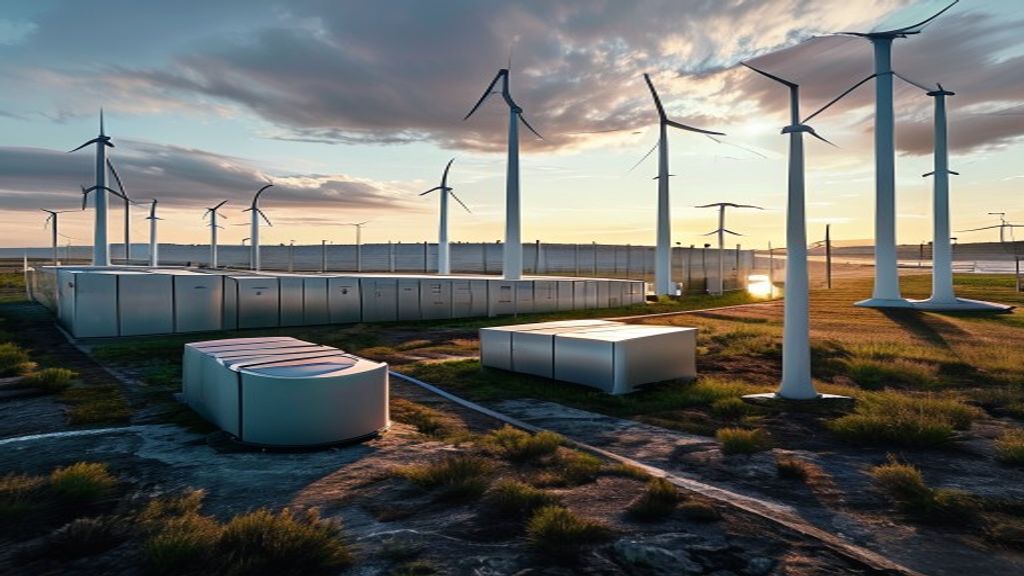
The energy sector is witnessing a significant shift with the announcement of 47 GW battery storage projects and 23 GW pumped storage initiatives. These developments are crucial for enhancing energy reliability and sustainability. The projects are expected to roll out over the next few years, addressing the growing demand for renewable energy solutions across various regions.
Overview of Battery Storage Projects
Battery storage projects play a vital role in stabilizing the grid and integrating renewable energy sources. With a total capacity of 47 GW, these projects aim to provide essential backup power during peak demand periods. Furthermore, they will help reduce reliance on fossil fuels, contributing to a cleaner energy future.
In addition to their environmental benefits, battery storage projects enhance energy security. They allow for the storage of excess energy generated during low-demand periods, which can then be utilized when demand surges. This capability is particularly important as more renewable energy sources, such as solar and wind, are integrated into the grid.
The Role of Pumped Storage Systems
Pumped storage systems are another key component of the energy transition, with 23 GW of new projects planned. These systems work by using excess energy to pump water uphill to a reservoir. When energy demand increases, the stored water is released to generate electricity. This method is highly efficient and can respond quickly to changes in energy demand.
Moreover, pumped storage systems provide a reliable means of energy storage. They can store large amounts of energy for extended periods, making them ideal for balancing intermittent renewable sources. As a result, these systems are crucial for maintaining grid stability and ensuring a consistent energy supply.
Benefits of Large-Scale Energy Storage
The expansion of battery storage projects and pumped storage systems offers numerous benefits. First, they enhance grid resilience by providing backup power during outages. This capability is essential for critical infrastructure, such as hospitals and emergency services.
Additionally, large-scale energy storage can lower energy costs for consumers. By storing energy during off-peak hours and releasing it during peak demand, these systems can help stabilize prices. Consequently, this leads to more affordable energy options for households and businesses alike.
Environmental Impact of Energy Storage
The environmental impact of battery storage projects and pumped storage systems is significant. By facilitating the use of renewable energy, these projects contribute to reducing greenhouse gas emissions. Furthermore, they help mitigate the effects of climate change by promoting cleaner energy sources.
In addition, the lifecycle of battery storage systems is becoming more sustainable. Advances in technology are leading to more efficient batteries that require fewer resources and produce less waste. As a result, the energy storage sector is moving towards a more environmentally friendly future.
Future Outlook for Energy Storage
Looking ahead, the future of battery storage projects and pumped storage systems appears promising. With increasing investments and technological advancements, the capacity for energy storage is expected to grow significantly. This growth will be essential for meeting global energy demands and achieving climate goals.
Moreover, government policies and incentives are likely to support the expansion of these projects. As countries strive to transition to renewable energy, energy storage will play a pivotal role in this transformation. Consequently, the energy landscape will continue to evolve, driven by innovations in storage technology.
Challenges Facing Energy Storage Development
Despite the positive outlook, several challenges remain for battery storage projects and pumped storage systems. One major hurdle is the initial investment required for large-scale projects. While the long-term benefits are clear, securing funding can be difficult for many developers.
Additionally, regulatory hurdles can slow down project implementation. Navigating the complex landscape of energy regulations often requires significant time and resources. However, as the demand for energy storage solutions grows, it is likely that policymakers will work to streamline these processes.
Overall, the advancements in battery storage projects and pumped storage systems represent a critical step towards a sustainable energy future. These initiatives not only enhance grid reliability but also contribute to a cleaner environment. As the energy sector continues to evolve, the importance of energy storage will only increase.
Source: