Student Revolt in India: Seven Decades of Political Unrest
NewsStudent Revolt in India: Seven Decades of Political Unrest
Discover how student movements have shaped India's political landscape over 70 years.
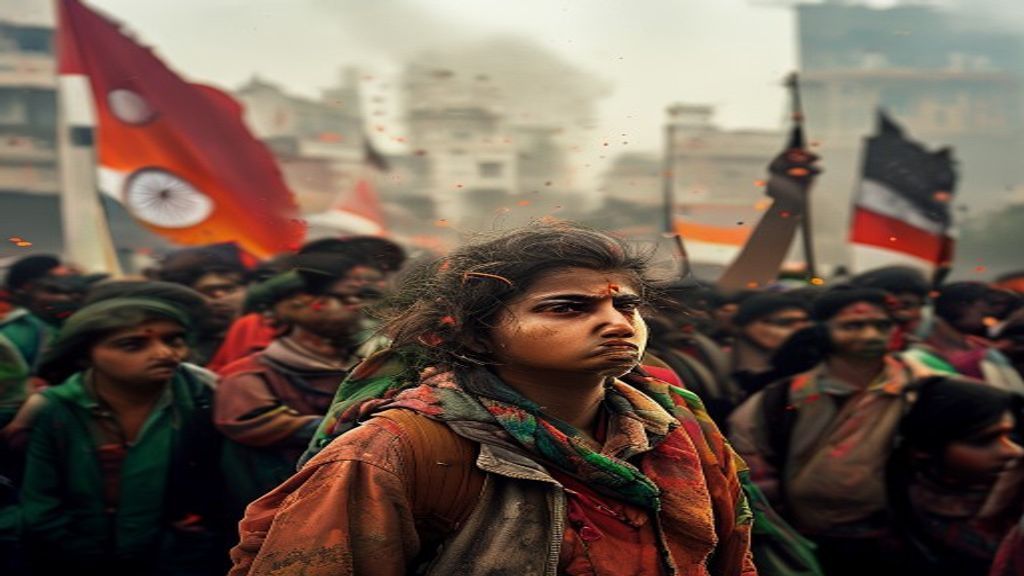
For over seventy years, the student revolt in India has emerged as a powerful political force, influencing significant changes across the nation. From the historic food riots in Calcutta to recent protests that led to the resignation of a minister, students have consistently demonstrated their ability to challenge authority. This article explores the evolution of student movements in India, highlighting key events and their impact on the political landscape.
Historical Context of Student Revolt in India
The roots of the student revolt in India can be traced back to the colonial era. During this time, students actively participated in the freedom struggle against British rule. Their involvement laid the groundwork for future movements, establishing a tradition of activism among the youth. As India gained independence in 1947, students continued to play a crucial role in shaping the nation’s democratic values.
Furthermore, the 1960s marked a significant turning point for student activism. The Vietnam War and global counterculture movements inspired Indian students to voice their dissent against government policies. Protests erupted across campuses, demanding social justice and political accountability. This period solidified the identity of students as a formidable political force in India.
Major Student Movements in India
One of the most notable instances of student revolt in India occurred in 1974 during the Nav Nirman Andolan in Gujarat. This movement arose in response to rising inflation and corruption. Students mobilized, demanding better governance and accountability from the state. Their efforts culminated in significant political changes, including the resignation of the then Chief Minister.
In addition, the anti-Reservation protests in 2006 showcased the power of student activism. Students rallied against the government's decision to increase reservations for OBCs in educational institutions. The protests garnered national attention, leading to widespread debates about social justice and meritocracy in India. This movement highlighted the ability of students to influence policy discussions at the highest levels.
The Role of Technology in Student Revolt
In recent years, the advent of social media has transformed the landscape of student revolt in India. Platforms like Twitter and Facebook have enabled students to organize protests quickly and effectively. As a result, movements can gain momentum in a matter of hours, reaching a broader audience than ever before.
Moreover, technology has facilitated the documentation of protests and government responses. Students now share their experiences and mobilize support through online campaigns. This digital activism has become a vital tool for the student revolt in India, allowing for greater visibility and engagement with issues affecting the youth.
The Impact of Student Revolt on Policy Changes
The student revolt in India has led to significant policy changes over the decades. For instance, the protests against the Citizenship Amendment Act (CAA) in 2019 saw students from various backgrounds unite against perceived discrimination. This movement not only raised awareness but also prompted discussions in legislative assemblies across the country.
Furthermore, student activism has influenced educational reforms. The demand for better infrastructure, quality education, and equitable access has pushed the government to address these issues. As a result, student movements have become a catalyst for change, shaping policies that affect millions of young people in India.
Challenges Faced by Student Movements
Despite their impact, student movements in India face numerous challenges. Government crackdowns on protests and restrictions on freedom of expression have stifled dissent. Many students have faced legal repercussions for their activism, creating a climate of fear.
Additionally, the fragmentation of student organizations poses a challenge to unified action. Various groups often have differing agendas, which can dilute the effectiveness of protests. However, the resilience of students continues to shine through, as they adapt and find new ways to voice their concerns.
Future of Student Revolt in India
Looking ahead, the student revolt in India is likely to evolve further. As new generations of students emerge, they bring fresh perspectives and priorities. Issues such as climate change, mental health, and digital rights are becoming increasingly important to the youth.
Moreover, the ongoing global discourse on democracy and human rights will continue to inspire Indian students. As they navigate these challenges, the student revolt in India will remain a vital force in shaping the nation’s political landscape. Their ability to mobilize and advocate for change will undoubtedly influence the future of India.
Source: