Rahul Gandhi’s Student Protests Remarks Spark Parliament Showdown
NewsRahul Gandhi's Student Protests Remarks Spark Parliament Showdown
Tensions rise in Parliament as Rahul Gandhi criticizes government actions on education and police response.
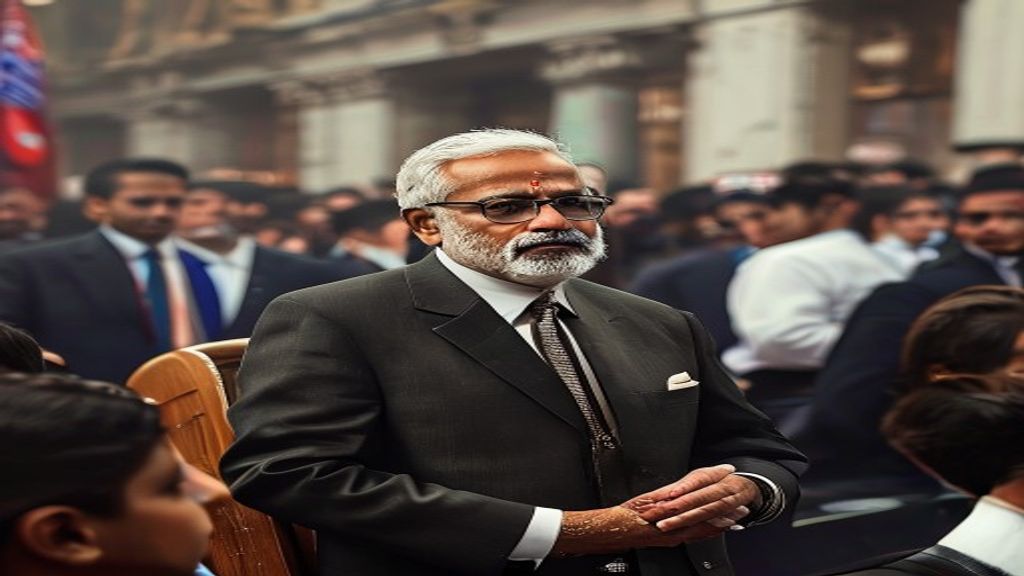
The recent remarks by Rahul Gandhi regarding student protests have ignited a significant showdown in Parliament. During a heated session, the Lok Sabha passed the Public Examinations Amendment Bill amidst considerable disruptions. This legislation aims to address issues related to examination integrity, but Gandhi's criticisms of government actions, particularly concerning police responses and education privatization, have taken center stage.
Background on the Public Examinations Amendment Bill
The Public Examinations Amendment Bill introduces stricter penalties for offenses related to public examinations. These include measures against cheating, paper leaks, and other unfair practices. The government asserts that these changes are essential to maintain the integrity of the education system. However, the bill has faced scrutiny from various political figures, especially Rahul Gandhi, who argues that the government's approach undermines students' rights.
Furthermore, the bill's introduction comes at a time when student protests are gaining momentum across the country. Many students feel that their voices are not being heard, and they are increasingly vocal about their concerns regarding educational policies. This context has made Gandhi's remarks particularly resonant, as they highlight the ongoing struggle between students and the government.
Rahul Gandhi's Critique of Government Policies
Rahul Gandhi's comments during the parliamentary session focused on the government's alleged heavy-handedness in dealing with student protests. He accused the administration of using excessive police force against peaceful demonstrators. His statements have sparked a fierce debate among lawmakers, with many supporting his call for a more compassionate approach to student grievances.
In addition, Gandhi criticized the trend of education privatization, claiming it exacerbates inequalities in access to quality education. He argued that the government should prioritize public education rather than pushing for privatization, which he believes benefits only a select few. This perspective has resonated with many students and educators who advocate for a more equitable education system.
Government's Response to Allegations
In response to Gandhi's allegations, Union ministers have vehemently defended the government's actions. They labeled his claims as baseless and accused him of politicizing student protests for personal gain. The ministers emphasized that the government's primary goal is to ensure fairness in public examinations and protect the interests of students.
Moreover, they argued that the measures introduced in the Public Examinations Amendment Bill are necessary to combat the rising tide of examination-related offenses. By implementing stricter punishments, the government aims to deter cheating and maintain the credibility of academic qualifications. This stance has led to further tensions in Parliament, as opposing parties continue to challenge the government's narrative.
Impact of Student Protests on Legislative Processes
The ongoing student protests have significantly impacted legislative processes in Parliament. As students rally for their rights, lawmakers are increasingly aware of the need to address their concerns. The protests have created a sense of urgency among politicians, prompting discussions about educational reforms and the treatment of demonstrators.
Furthermore, the visibility of these protests has forced the government to reconsider its approach to student engagement. Many lawmakers now recognize that ignoring student voices could have political repercussions. As a result, there may be a shift towards more inclusive dialogue between the government and student representatives in the future.
The Future of Education Policy in India
Looking ahead, the future of education policy in India remains uncertain. The tensions between the government and student groups highlight the need for a more balanced approach to educational reforms. Policymakers must consider the voices of students while also addressing the integrity of public examinations.
In addition, the ongoing debates surrounding the Public Examinations Amendment Bill may lead to further amendments and discussions in Parliament. As student protests continue to shape the political landscape, the government may be compelled to adopt more student-friendly policies. This evolving dynamic could redefine the relationship between students and the government in the coming years.
Conclusion of Parliamentary Debates
As the parliamentary debates continue, the impact of Rahul Gandhi's remarks on student protests will likely resonate beyond the current session. The discussions surrounding the Public Examinations Amendment Bill and the government's response to student grievances are indicative of a larger struggle for educational equity in India. The outcome of these debates may set a precedent for how future educational policies are crafted and implemented.
Source: