West Bengal Government to Halt Action Against NEET Protesters
NewsWest Bengal Government to Halt Action Against NEET Protesters
West Bengal's decision aligns with Supreme Court, excluding those with criminal records.
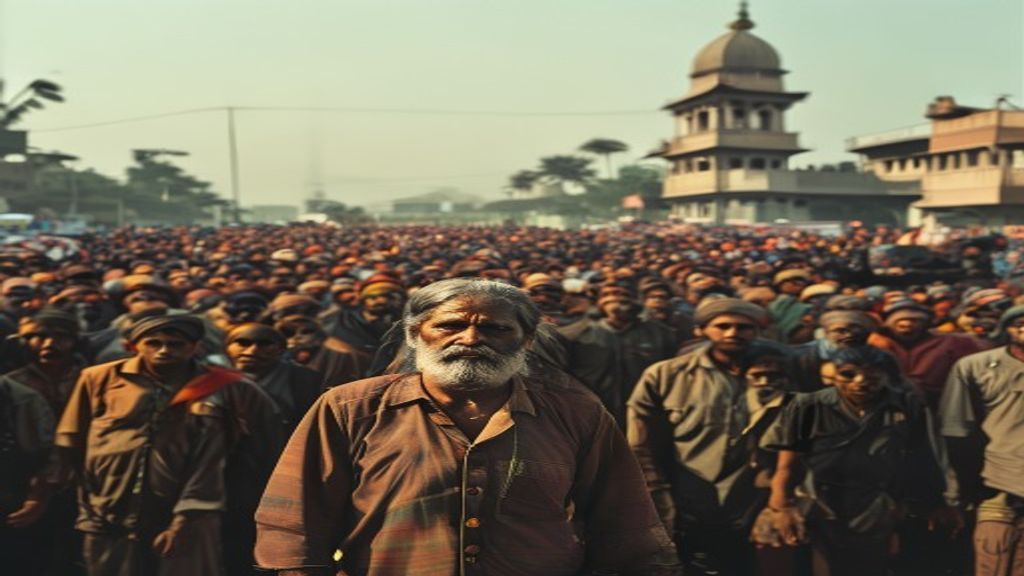
West Bengal's government has announced it will not take coercive action against NEET protesters following a Supreme Court order. This decision specifically excludes individuals with prior criminal records. The move aims to provide relief to students who have been demonstrating against the NEET paper leak incident, which has sparked significant unrest in the state.
The Supreme Court's directive has influenced several states, including Bihar and Assam, where BJP-led governments have already withdrawn cases against protesters. In addition, Maharashtra's chief minister has also ordered the withdrawal of cases against student demonstrators. This trend reflects a growing recognition of the students' grievances and the need for a fair resolution.
Background on NEET Protests
The NEET protests in West Bengal erupted after allegations of a paper leak, which many students believe compromised the integrity of the examination. Students have taken to the streets, demanding accountability and transparency from the authorities. The protests have gained momentum, drawing attention from various political factions and media outlets.
Furthermore, the protests are not limited to West Bengal. Similar demonstrations have occurred in other states, highlighting a widespread concern among students regarding the fairness of the NEET examination process. As a result, the issue has become a focal point in discussions about educational reforms and student rights across India.
Government Response to Protests
In response to the escalating protests, the West Bengal government has taken a measured approach. Officials have stated that they will engage with student leaders to address their concerns. This dialogue aims to foster a more constructive environment for resolving the issues surrounding the NEET examination.
However, the government has made it clear that individuals with criminal records will not receive the same leniency. This stipulation aligns with the Supreme Court's guidance, ensuring that while the government supports peaceful protests, it also maintains law and order. The decision has sparked mixed reactions among students and political commentators alike.
Impact of Supreme Court Ruling
The Supreme Court's ruling has significant implications for NEET protesters across the country. By emphasizing the need for a balanced approach, the court has set a precedent for how state governments handle similar situations. This ruling encourages other states to reconsider their stance on student protests and the legal actions taken against demonstrators.
In addition, the ruling underscores the importance of protecting student rights while also addressing concerns about public safety. As a result, many states are now reevaluating their policies regarding protests, aiming to strike a balance between maintaining order and respecting the voices of students.
Political Reactions and Future Implications
Political reactions to the West Bengal government's decision have been varied. Some political leaders have praised the move as a step toward understanding and addressing student grievances. Others, however, criticize the government for not taking a firmer stance against what they perceive as unlawful protests.
Meanwhile, the Cockroach Janta Party has expressed its anticipation for further action on their demands. This political dynamic adds another layer to the ongoing discussions surrounding the NEET protests. As the situation evolves, it will be crucial to monitor how these developments impact student activism and government policies in the future.
The Role of Student Activism
Student activism plays a vital role in shaping educational policies in India. The NEET protests exemplify how students can mobilize to demand change and hold authorities accountable. As more students engage in activism, their collective voice can influence government decisions and lead to meaningful reforms.
Furthermore, the current situation highlights the importance of dialogue between students and government officials. Open communication can pave the way for solutions that address the root causes of unrest, ultimately benefiting the educational landscape in India.
Conclusion on NEET Protest Developments
The West Bengal government's decision to halt action against NEET protesters marks a significant moment in the ongoing struggle for student rights. By aligning with the Supreme Court's directives, the government demonstrates a willingness to listen to student concerns while maintaining legal boundaries. As the situation unfolds, it will be essential to observe how these developments shape the future of student activism and educational policies in India.
Source: