RAF Deploys Tear Gas and Anti-Riot Guns During July 20 Protest
NewsRAF Deploys Tear Gas and Anti-Riot Guns During July 20 Protest
Tensions escalate as RAF uses tear gas and anti-riot measures in response to protests.
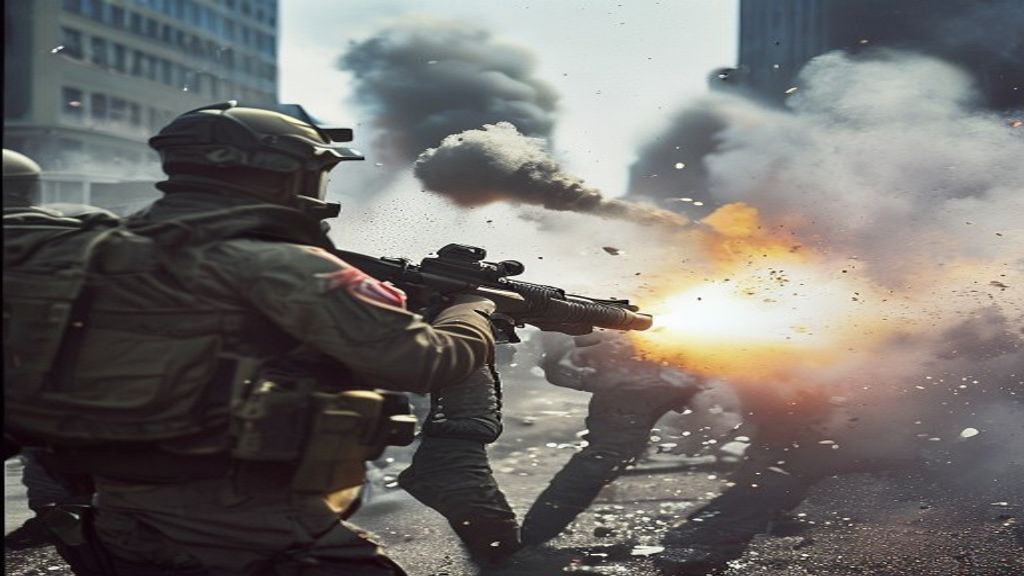
On July 20, a significant protest erupted, leading to the Royal Air Force (RAF) deploying tear gas, anti-riot guns, and plastic pellets. This protest took place in a major city, drawing attention from various media outlets and the public. The use of such measures by the RAF raises questions about crowd control and the escalation of tensions during civil demonstrations.
Background of the July 20 Protest
The July 20 protest was organized by various activist groups advocating for social justice and environmental issues. Thousands gathered in the city center, demanding immediate action from the government. The atmosphere was charged, with participants expressing their frustrations over ongoing political and social challenges.
Furthermore, the protest was part of a larger movement that has gained momentum over recent months. Activists aimed to raise awareness about climate change, inequality, and government accountability. As the crowd grew, so did the intensity of the demonstrations, prompting authorities to prepare for potential unrest.
RAF's Response to the Protest
In response to the escalating situation, the RAF took decisive action by deploying tear gas and anti-riot guns. These measures were intended to disperse the crowd and restore order. However, the use of such force has sparked widespread debate about the appropriateness of military involvement in civilian protests.
As a result, many protesters felt that the RAF's actions were excessive and unwarranted. Eyewitness accounts describe scenes of chaos as tear gas filled the air, leading to panic among participants. The decision to use anti-riot measures has raised concerns about the balance between maintaining public safety and respecting the right to protest.
Public Reaction and Criticism
The public reaction to the RAF's actions during the July 20 protest has been mixed. Some individuals support the use of force as necessary for maintaining order, while others condemn it as an infringement on civil liberties. Social media platforms have become a battleground for opinions, with many calling for accountability from the RAF and government officials.
Moreover, human rights organizations have expressed their concerns regarding the treatment of protesters. They argue that the use of tear gas and plastic pellets can lead to severe injuries and long-term health issues. Activists are now demanding an independent investigation into the events of July 20 to ensure transparency and justice.
Legal Implications of Military Involvement
The involvement of the RAF in civilian protests raises important legal questions. Under international law, the right to peaceful assembly is protected. However, the use of military force against civilians can lead to serious legal ramifications. Legal experts are now examining whether the RAF's actions were justified under the circumstances.
In addition, there are discussions about the protocols governing military engagement in domestic situations. The legal framework surrounding the use of force by military personnel is complex and varies by jurisdiction. As the investigation unfolds, it will be crucial to determine if the RAF adhered to established guidelines.
Future of Protests and Military Engagement
Looking ahead, the events of the July 20 protest may influence how future demonstrations are handled. Authorities might reconsider their strategies for managing large crowds, especially in light of public outcry. The balance between ensuring safety and allowing free expression will be a focal point for discussions among policymakers.
Furthermore, the potential for increased military involvement in civilian matters could reshape the landscape of public protests. Activists are likely to remain vigilant, advocating for their rights while also pushing for reforms in how authorities respond to civil unrest. The outcome of the July 20 protest may set a precedent for future engagements between the military and civilian populations.
Conclusion of the July 20 Protest Events
As the dust settles from the July 20 protest, the implications of the RAF's actions will continue to resonate. The ongoing dialogue surrounding civil rights, military involvement, and public safety will be crucial in shaping future protests. Activists and citizens alike are now more aware of the potential consequences of their demonstrations, leading to a more informed and engaged public.
Source: