Madhya Pradesh Wakf Board Includes Hindu Members for First Time
NewsMadhya Pradesh Wakf Board Includes Hindu Members for First Time
Historic amendment allows Hindu representation in Wakf Board, reshaping community dynamics.
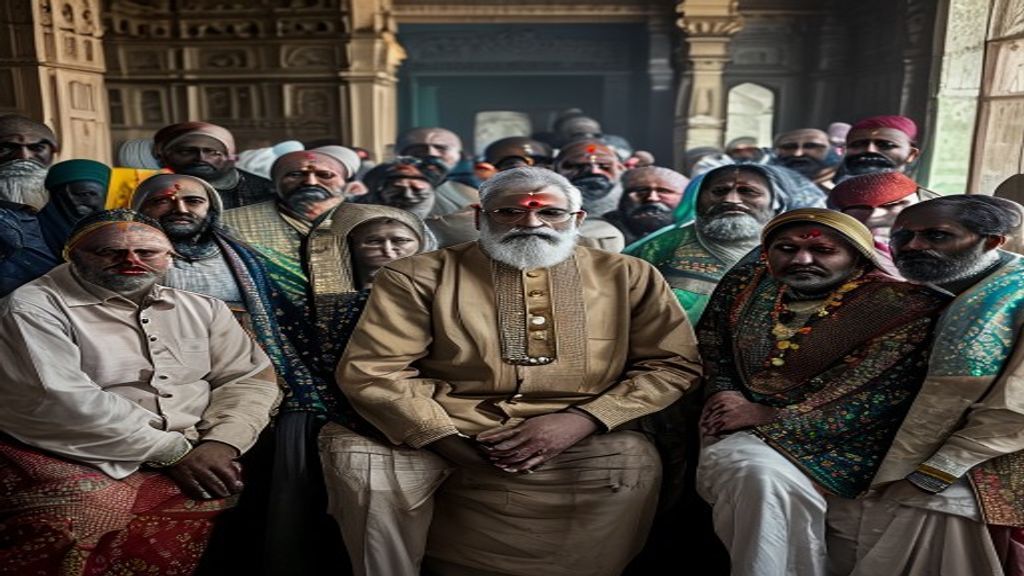
The Madhya Pradesh Wakf Board has made history by including Hindu members for the first time. Chief Minister Mohan Yadav announced the reorganization of the 10-member board, appointing Sanwar Patel as its chairman. This significant change comes after an amendment to the Wakf Act, allowing non-Muslim representation in the board, marking a pivotal moment in the state's governance.
Historic Changes in the Madhya Pradesh Wakf Board
The recent amendment to the Wakf Act has transformed the Madhya Pradesh Wakf Board. This board now features Hindu members, specifically Manoj Malpani and Animesh Bhargava. Their inclusion signifies a progressive step towards inclusivity in a traditionally Muslim-dominated institution. Furthermore, this move sets a precedent for other states to follow, potentially reshaping the landscape of Wakf boards across India.
Additionally, the Madhya Pradesh government aims to enhance community representation within the board. By incorporating diverse voices, the government hopes to address various community needs more effectively. This initiative reflects a broader commitment to fostering unity and cooperation among different religious groups in the state.
Implications of the Amendment
The amendment allowing Hindu members in the Madhya Pradesh Wakf Board has far-reaching implications. It not only promotes inclusivity but also encourages dialogue among different communities. As a result, this could lead to improved relations and collaboration on social issues affecting both Hindu and Muslim populations.
Moreover, the presence of Hindu members in the board may influence decision-making processes. Their insights and perspectives can help ensure that the board's actions consider the interests of a wider demographic. This shift could ultimately enhance the board's effectiveness in managing Wakf properties and addressing community concerns.
Community Reactions to the New Board
The inclusion of Hindu members in the Madhya Pradesh Wakf Board has sparked varied reactions among community leaders. Many view this as a positive development, fostering a spirit of cooperation. They believe that diverse representation can lead to more balanced and fair governance.
However, some critics express concerns about the potential politicization of the board. They worry that the inclusion of non-Muslim members might dilute the board's original purpose. Nevertheless, supporters argue that this change is essential for modern governance and reflects the state's demographic diversity.
Future of Wakf Boards in India
The Madhya Pradesh Wakf Board's new structure may inspire similar reforms in other states. As more regions consider inclusive policies, the landscape of Wakf boards across India could change significantly. This trend may lead to a more representative governance model that reflects the country's pluralistic society.
Furthermore, the success of the Madhya Pradesh Wakf Board could encourage other states to adopt similar amendments. By showcasing the benefits of inclusivity, Madhya Pradesh sets a benchmark for progressive governance. This could ultimately lead to a more harmonious coexistence among different religious communities in India.
The Role of the Chief Minister
Chief Minister Mohan Yadav's leadership has been pivotal in this transformation. His decision to appoint Hindu members to the Madhya Pradesh Wakf Board demonstrates a commitment to inclusivity. Yadav's administration aims to bridge gaps between communities, fostering a sense of belonging for all citizens.
In addition, Yadav's actions reflect a broader strategy to modernize governance in Madhya Pradesh. By embracing diversity, his government seeks to create a more equitable environment. This approach may resonate with voters, potentially influencing future elections and political dynamics in the state.
Conclusion of the Article
The reorganization of the Madhya Pradesh Wakf Board marks a significant milestone in Indian governance. By including Hindu members, the board reflects the state's commitment to inclusivity and representation. As this initiative unfolds, it will be crucial to monitor its impact on community relations and governance in Madhya Pradesh and beyond.
Source: News Feed

