Women’s Reservation Bill: Lok Sabha Seats to Increase to 850
NewsWomen's Reservation Bill: Lok Sabha Seats to Increase to 850
Government plans to expand Lok Sabha seats to enhance women's representation in politics.
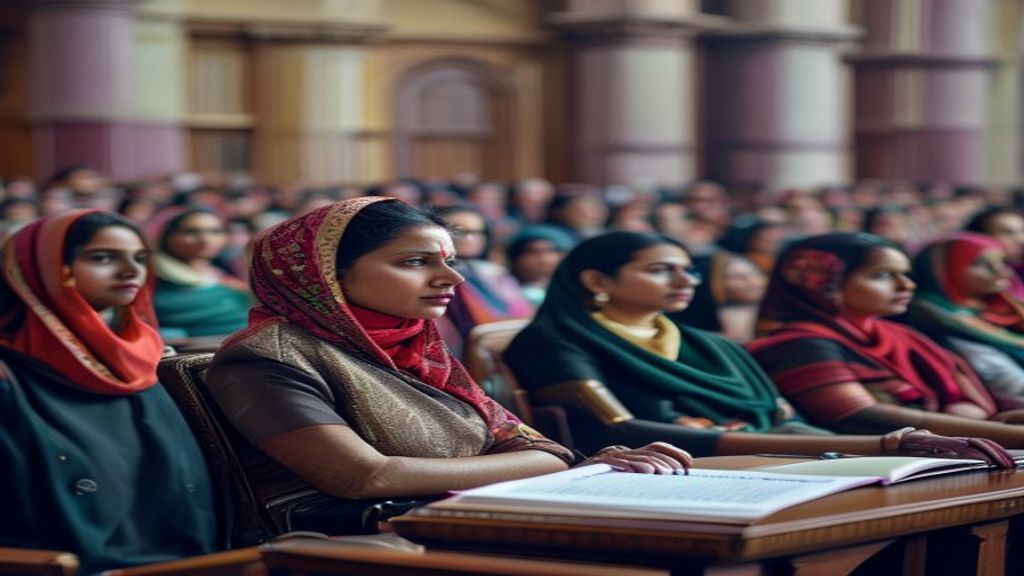
The Indian government has announced plans to increase the number of Lok Sabha seats to a maximum of 850 as part of the Women's Reservation Bill. This significant move aims to enhance women's representation in the Indian Parliament and is expected to take effect in the upcoming parliamentary session. The initiative reflects the government's commitment to gender equality and empowering women in politics.
Overview of the Women's Reservation Bill
The Women's Reservation Bill seeks to reserve 33% of seats in the Lok Sabha and state legislative assemblies for women. This bill aims to address the gender imbalance in Indian politics, where women have historically been underrepresented. By increasing the total number of Lok Sabha seats to 850, the government hopes to create more opportunities for women to participate in the political process.
Furthermore, this bill has been a topic of discussion for several years. Advocates argue that increasing women's representation will lead to more inclusive governance. Critics, however, express concerns about the potential impact on existing political dynamics. Despite the mixed reactions, the government remains focused on implementing this crucial legislation.
Implications of Increasing Lok Sabha Seats
Increasing the Lok Sabha seats to 850 will have several implications for Indian politics. Firstly, it will allow for a greater number of women to enter the political arena. This change could lead to more diverse perspectives in policymaking and governance. As a result, the government anticipates that women's issues will receive more attention in legislative discussions.
Moreover, this increase aligns with global trends towards enhancing women's representation in politics. Many countries have adopted similar measures to ensure that women have a voice in decision-making processes. By following this path, India aims to strengthen its democratic framework and promote gender equality.
Challenges Ahead for the Women's Reservation Bill
Despite the positive intentions behind the Women's Reservation Bill, challenges remain. One significant hurdle is the need for political consensus among various parties. Some political factions may resist the changes, fearing a loss of power. Additionally, there are concerns about the implementation process and ensuring that reserved seats are filled by genuinely qualified candidates.
In addition, public awareness and support for the bill are crucial. Many citizens may not fully understand the implications of the Women's Reservation Bill. Therefore, effective communication strategies will be essential to garner widespread support and ensure successful implementation.
Historical Context of Women's Representation in India
Historically, women's representation in Indian politics has been limited. Women have faced numerous barriers, including societal norms and lack of access to political networks. The Women's Reservation Bill represents a significant step towards overcoming these obstacles. By increasing the number of Lok Sabha seats, the government aims to create a more equitable political landscape.
Furthermore, previous attempts to pass similar legislation have faced challenges. The current government's commitment to the Women's Reservation Bill marks a renewed effort to address these historical inequities. This initiative could pave the way for future reforms aimed at empowering women in various sectors.
Future Prospects for Women's Political Participation
The expansion of Lok Sabha seats under the Women's Reservation Bill could lead to a transformative shift in Indian politics. With more women in positions of power, there is potential for policies that better address women's needs and concerns. This change could also inspire younger generations of women to pursue careers in politics.
Moreover, as women gain more representation, it may encourage a cultural shift towards greater acceptance of female leaders. This shift could have lasting effects on societal attitudes towards women in leadership roles. As a result, the Women's Reservation Bill could serve as a catalyst for broader changes in gender dynamics across the country.
Conclusion on the Women's Reservation Bill
The Women's Reservation Bill and the proposed increase in Lok Sabha seats to 850 represent a pivotal moment for women's representation in India. As the government moves forward with this initiative, the focus will be on ensuring its successful implementation. The potential benefits of this bill extend beyond politics, promising to influence societal attitudes and inspire future generations of women leaders.
Source: