India’s First Urban Ropeway in Varanasi Set to Transform Travel
NewsIndia's First Urban Ropeway in Varanasi Set to Transform Travel
Varanasi's new urban ropeway aims to revolutionize public transport and ease congestion in Indian cities.
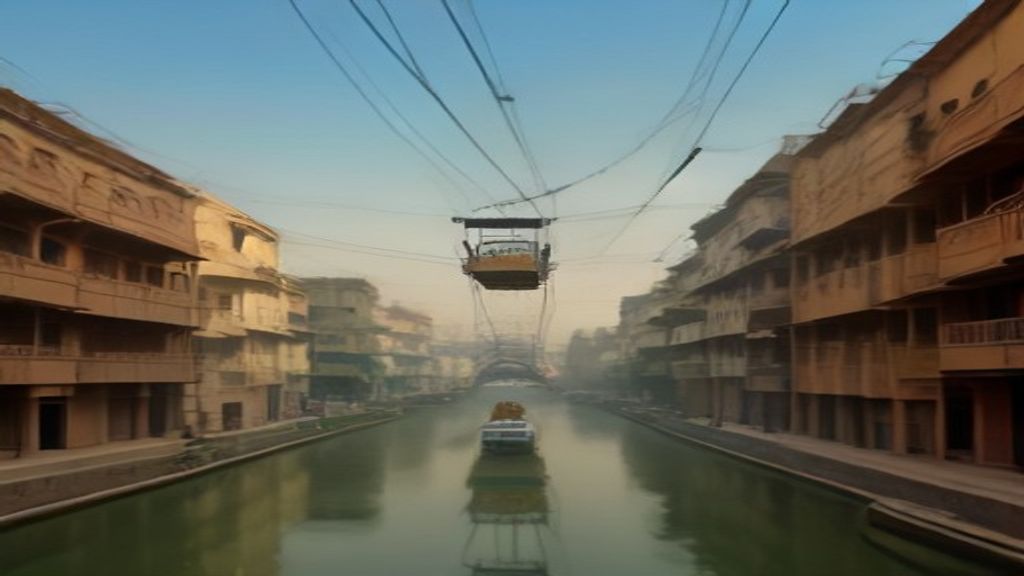
Varanasi is on the brink of launching India's first urban ropeway, a groundbreaking public transport system designed to connect the railway station with Godowlia Chowk. This innovative urban ropeway in Varanasi promises to significantly reduce travel times and alleviate traffic congestion in one of India's oldest cities. Scheduled to open soon, this project serves as a pioneering test case for aerial mobility in heritage cities, potentially reshaping urban transport across India.
The Need for an Urban Ropeway in Varanasi
Urban areas in India face severe traffic congestion, especially in cities with rich historical significance like Varanasi. The introduction of an urban ropeway aims to address these challenges by providing a fast and efficient mode of transport. Furthermore, the ropeway will offer a scenic view of the city, enhancing the travel experience for both locals and tourists.
As a result, this aerial transport system could become a model for other cities grappling with similar issues. The urban ropeway in Varanasi is not just about convenience; it represents a shift towards sustainable urban mobility solutions.
Features of the Urban Ropeway
The urban ropeway in Varanasi will feature modern cabins designed for comfort and safety. Each cabin will have the capacity to accommodate multiple passengers, ensuring a steady flow of commuters. Additionally, the system will operate on a continuous loop, minimizing wait times and maximizing efficiency.
Moreover, the ropeway will be equipped with advanced technology for real-time tracking and monitoring. This feature will allow passengers to plan their journeys more effectively, making the urban ropeway a reliable choice for daily commutes.
Impact on Traffic and Environment
The introduction of the urban ropeway in Varanasi is expected to have a significant impact on traffic patterns. By providing an alternative mode of transport, it will help reduce the number of vehicles on the road. Consequently, this will lead to lower emissions and a cleaner environment.
In addition, the urban ropeway will promote the use of public transport, encouraging more people to leave their cars behind. As a result, this initiative aligns with broader goals of sustainable urban development in India.
Economic Benefits of the Urban Ropeway
The urban ropeway in Varanasi is poised to bring economic benefits to the region. By improving connectivity, it will attract more tourists to the city, boosting local businesses. Furthermore, the project is expected to create job opportunities during its construction and operational phases.
As the urban ropeway enhances accessibility, it will also encourage investment in surrounding areas. This could lead to the development of new commercial and residential projects, further stimulating the local economy.
Future of Urban Mobility in India
The successful implementation of the urban ropeway in Varanasi could pave the way for similar projects across India. Cities facing traffic congestion and pollution could adopt this model to improve their public transport systems.
Moreover, the urban ropeway could inspire innovations in urban planning, integrating aerial transport with existing infrastructure. As a result, this project may serve as a catalyst for a nationwide shift towards more sustainable and efficient urban mobility solutions.
Conclusion: A New Era for Urban Transport
The urban ropeway in Varanasi represents a significant advancement in public transport. By addressing the challenges of congestion and pollution, it sets a precedent for future urban development in India. As cities continue to grow, innovative solutions like this will be crucial in shaping the future of urban mobility.
Source: