Centre Responds to Rahul’s Claims on Tear Gas Usage in Protests
NewsCentre Responds to Rahul's Claims on Tear Gas Usage in Protests
Government demands apology from Rahul Gandhi over protest allegations and clarifies actions taken during unrest.
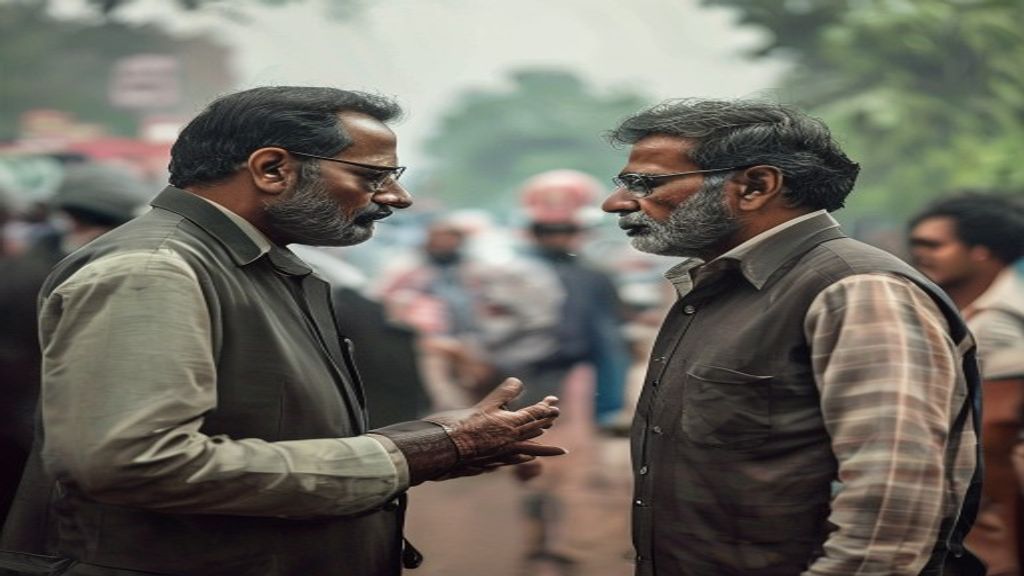
The Indian government has firmly countered allegations made by Rahul Gandhi regarding tear gas usage during recent protests. The Centre stated that only tear gas was deployed to manage the situation, with no shots fired. This clarification comes in response to Gandhi's claims made during a press conference held on October 15, 2023, in New Delhi, where he accused the government of excessive force against peaceful demonstrators.
Government's Stance on Tear Gas Usage
The Centre emphasized that the use of tear gas was a necessary measure to control the crowd during the protests. Officials highlighted that the deployment was in line with standard crowd management protocols. Furthermore, they asserted that no firearms were used, contradicting the narrative presented by Gandhi. The government maintains that its actions were aimed at ensuring public safety and maintaining order.
In addition, the Ministry of Home Affairs released a statement detailing the events leading up to the use of tear gas. They explained that the protests escalated quickly, prompting law enforcement to act decisively. The government insists that the measures taken were proportionate to the situation at hand.
Rahul Gandhi's Allegations
Rahul Gandhi's accusations have sparked significant debate across political circles. He claimed that the government's response to the protests was not only excessive but also indicative of a broader pattern of repression. Gandhi's remarks have resonated with many who view the government's actions as heavy-handed.
Moreover, the Congress party has rallied behind Gandhi, calling for accountability from the ruling party. They argue that the use of tear gas is a violation of the rights of citizens to peacefully assemble. This has led to increased scrutiny of the government's crowd control measures and their implications for civil liberties.
Public Reaction to Tear Gas Deployment
Public reaction to the government's use of tear gas has been mixed. Some citizens support the government's actions, believing that maintaining order is paramount. They argue that the protests posed a risk to public safety, justifying the use of tear gas.
Conversely, many others express concern over the implications of such measures. Activists and human rights organizations have condemned the use of tear gas as a means of crowd control. They argue that it can lead to unnecessary harm and escalate tensions between law enforcement and protesters.
Historical Context of Tear Gas Usage
The use of tear gas in crowd control is not a new phenomenon in India. Historically, law enforcement agencies have employed tear gas to disperse large gatherings. However, the effectiveness and appropriateness of this tactic have been questioned over the years.
In recent years, incidents involving tear gas have drawn significant media attention. Critics argue that its use often leads to severe health issues for those exposed. Furthermore, there are calls for the government to explore alternative methods of crowd management that prioritize the safety and rights of citizens.
Government's Call for Apology
In light of the ongoing controversy, the Centre has demanded an apology from Rahul Gandhi. Officials argue that his statements misrepresent the facts and could incite further unrest. They assert that public figures should be responsible for their words, especially during sensitive situations like protests.
As a result, the government is urging political leaders to engage in constructive dialogue rather than spreading misinformation. They believe that fostering a cooperative political environment is essential for addressing the concerns raised by citizens.
Future Implications for Protest Management
Looking ahead, the government's approach to managing protests may evolve in response to public sentiment. The recent events have highlighted the need for a balanced approach that respects citizens' rights while ensuring public safety.
Furthermore, discussions surrounding the use of tear gas and other crowd control measures are likely to continue. Policymakers may consider revising existing protocols to better align with contemporary human rights standards. This could lead to a shift in how protests are managed in the future, potentially reducing the reliance on tear gas as a primary tool for crowd control.
Source: