Tamil Nadu CM Stalin Warns PM Modi Over Delimitation Plans
NewsTamil Nadu CM Stalin Warns PM Modi Over Delimitation Plans
CM Stalin criticizes the central government's approach to delimitation amid elections in Tamil Nadu and West Bengal.
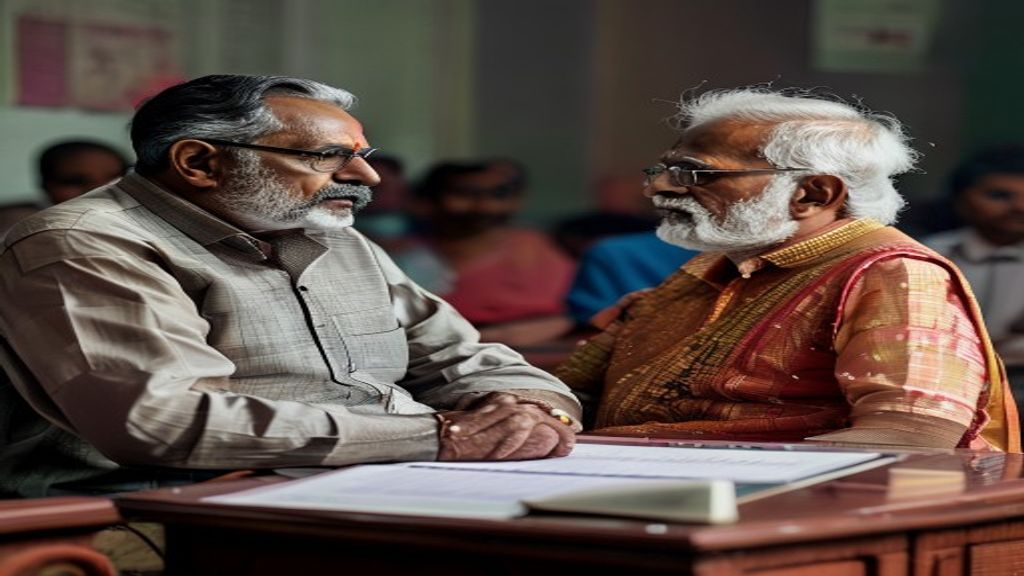
Tamil Nadu Chief Minister MK Stalin has raised concerns over the central government's plans for delimitation, warning Prime Minister Modi that the state will not back down. This warning comes ahead of a special session of Parliament scheduled for April 16, where Stalin alleges that the session was “forcibly convened” during crucial elections in Tamil Nadu and West Bengal. The CM claims this move is an attempt by the Union government to push through a constitutional amendment on delimitation without proper debate.
Concerns Over Delimitation in Tamil Nadu
Stalin's remarks highlight the growing unease in Tamil Nadu regarding the delimitation process. The chief minister argues that the timing of the special session is politically motivated, aiming to alter electoral boundaries while the state is engaged in elections. Furthermore, he emphasizes that such significant changes should not occur without thorough discussion and consensus among all stakeholders.
In addition, Stalin's warning reflects broader apprehensions among regional parties about the potential impact of delimitation on their representation. The CM insists that Tamil Nadu will actively oppose any attempts to manipulate the delimitation process for political gain. This stance underscores the importance of fair representation in the democratic process.
The Political Landscape in Tamil Nadu
The political landscape in Tamil Nadu is complex, with various parties vying for influence. The DMK, led by Stalin, has historically championed the rights of the state against perceived central overreach. As a result, the delimitation issue has become a focal point in the ongoing political discourse.
Moreover, the chief minister's comments resonate with many voters who fear that changes in electoral boundaries could dilute their representation. The DMK's strong stance against the central government's approach to delimitation aims to rally support from constituents who prioritize local governance and representation.
Implications of Delimitation on Elections
Delimitation can significantly affect electoral outcomes by altering constituency boundaries. This process can lead to shifts in voter demographics, potentially benefiting certain political parties over others. Stalin's concerns reflect a broader anxiety among regional parties about losing ground to national parties like the BJP.
As the elections in Tamil Nadu and West Bengal approach, the implications of delimitation become even more pronounced. The timing of the special session raises questions about the fairness of the electoral process. Furthermore, regional parties are likely to mobilize their supporters to resist any changes that could undermine their electoral strength.
The Role of the Central Government
The central government's role in the delimitation process has come under scrutiny. Critics argue that the Union government is attempting to centralize power by manipulating electoral boundaries. Stalin's allegations of a "forcibly convened" session suggest a lack of transparency and accountability in the decision-making process.
In addition, the chief minister's warning serves as a reminder of the delicate balance between state and central authority in India. The ongoing tensions between regional parties and the central government highlight the need for a more collaborative approach to governance, especially regarding issues as critical as delimitation.
Public Reaction to Delimitation Concerns
Public reaction to Stalin's warnings has been mixed. Many citizens in Tamil Nadu express support for the CM's stance, fearing that delimitation could lead to unfair representation. Meanwhile, others argue that delimitation is necessary for fair electoral practices, as it aims to reflect population changes.
Furthermore, social media platforms have become a battleground for discussions on this issue. Supporters of the DMK rally behind Stalin's comments, while opponents question the motivations behind the resistance to delimitation. This public discourse is crucial as it shapes the narrative leading up to the elections.
Future of Tamil Nadu's Political Strategy
Looking ahead, the DMK's strategy will likely focus on mobilizing public support against the central government's delimitation plans. By framing the issue as one of representation and fairness, Stalin aims to strengthen the party's position in the upcoming elections.
Moreover, the DMK may seek alliances with other regional parties to present a united front against the central government's actions. This coalition-building could prove essential in countering the influence of national parties in Tamil Nadu. As the political landscape evolves, the outcome of the delimitation debate will play a significant role in shaping the future of Tamil Nadu's governance and representation.
Source: