NMC Urges Medical Colleges to Establish Support Units for Disabled
NewsNMC Urges Medical Colleges to Establish Support Units for Disabled Students
New guidelines from NMC aim to enhance accessibility in medical education for students with disabilities.
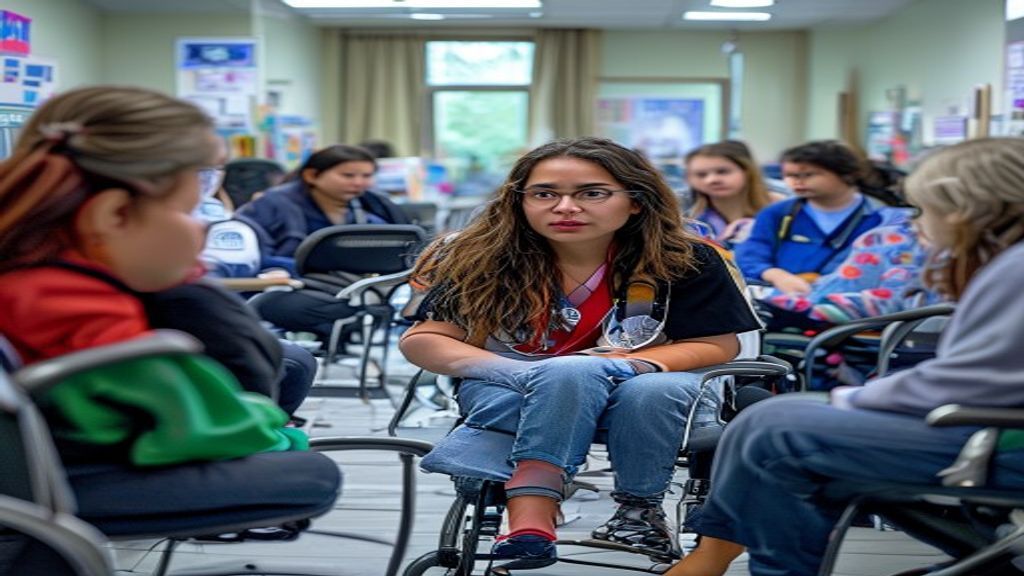
The National Medical Commission (NMC) has recently called on medical colleges across India to establish dedicated support units for disabled students. This initiative aims to create a more inclusive educational environment, ensuring that students with disabilities receive the necessary assistance to thrive in their medical studies. The NMC's directive comes as part of its ongoing commitment to improving accessibility in medical education, addressing the needs of these students effectively.
Importance of Support Units for Disabled Students
Support units for disabled students play a crucial role in fostering an inclusive atmosphere within medical colleges. These units provide tailored resources and services that cater to the unique challenges faced by students with disabilities. By implementing these support systems, medical colleges can ensure that all students have equal opportunities to succeed academically and professionally.
Furthermore, the establishment of support units aligns with the Rights of Persons with Disabilities Act, which emphasizes the need for educational institutions to accommodate students with diverse needs. The NMC's guidelines encourage colleges to create a framework that not only supports academic success but also promotes the overall well-being of disabled students.
Key Features of the NMC Guidelines
The NMC's guidelines outline several key features that medical colleges should incorporate into their support units for disabled students. These features include accessibility audits of college facilities, the provision of assistive technologies, and the training of staff to better understand the needs of disabled students.
In addition, the guidelines recommend that colleges develop individualized support plans for students with disabilities. These plans should address specific academic and personal needs, ensuring that students receive the appropriate resources and assistance throughout their education.
Implementation Challenges for Medical Colleges
While the NMC's initiative is a significant step towards inclusivity, medical colleges may face challenges in implementing these support units for disabled students. Limited funding and resources can hinder the establishment of comprehensive support systems. Additionally, some institutions may lack the necessary expertise to effectively address the diverse needs of disabled students.
However, colleges can overcome these challenges by collaborating with organizations that specialize in disability services. By leveraging external expertise, medical colleges can enhance their support units and create a more inclusive environment for all students.
Benefits of Inclusive Medical Education
Creating support units for disabled students offers numerous benefits for medical colleges and the healthcare system as a whole. An inclusive educational environment fosters diversity, which can lead to improved problem-solving and innovation in medical practice.
Moreover, when medical colleges prioritize accessibility, they prepare future healthcare professionals to better serve diverse patient populations. This approach not only enhances the quality of care but also promotes a more equitable healthcare system.
Future Directions for Medical Colleges
Looking ahead, medical colleges must prioritize the establishment of support units for disabled students as part of their strategic planning. By doing so, they can ensure compliance with NMC guidelines while also enhancing their reputation as inclusive institutions.
Furthermore, ongoing training and development for faculty and staff will be essential in fostering a culture of inclusivity. Continuous evaluation of support services will help colleges adapt to the evolving needs of disabled students, ensuring that they remain effective and relevant.
Conclusion
The NMC's call for medical colleges to establish support units for disabled students marks a pivotal moment in the journey towards inclusivity in medical education. By implementing these guidelines, institutions can create a supportive environment that empowers all students to achieve their full potential. As medical colleges embrace this initiative, they will not only enhance their educational offerings but also contribute to a more equitable healthcare landscape in India.
Source: